How Contactless Technologies Continue to Transform Restaurants
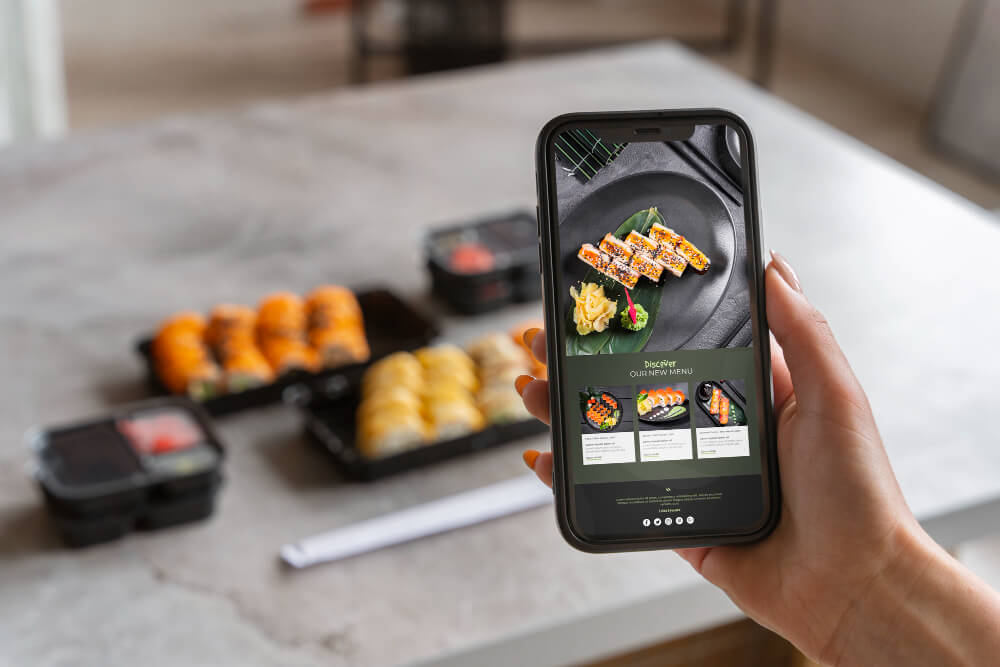
Restaurants have changed significantly as technology becomes a bigger part of the dining experience. Customers now expect convenient ways to browse menus, place orders, make payments, and interact with restaurants without unnecessary waiting.
This is where contactless restaurant technology comes in. From a simple QR code menu to digital ordering and automated workflows, restaurants can use technology to make everyday operations faster while giving customers more control.
Contactless solutions are not just about removing physical menus or reducing unnecessary contact. They are becoming an important part of modern restaurant technology, helping businesses improve efficiency, update information faster, and create a smoother customer journey.

What Is Contactless Restaurant Technology?
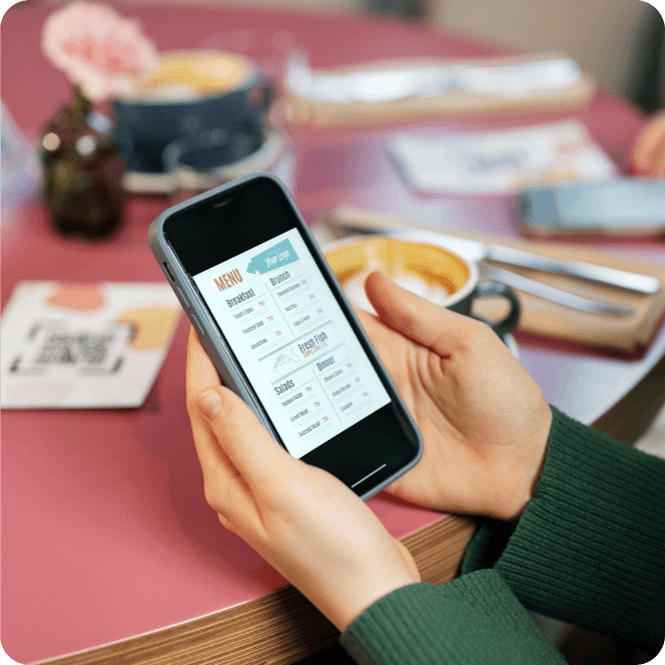
Contactless restaurant technology includes digital tools that allow customers and staff to complete common restaurant activities with less physical interaction.
Instead of relying entirely on printed menus, paper order forms, or manual processes, restaurants can use connected digital solutions.
Common examples include:
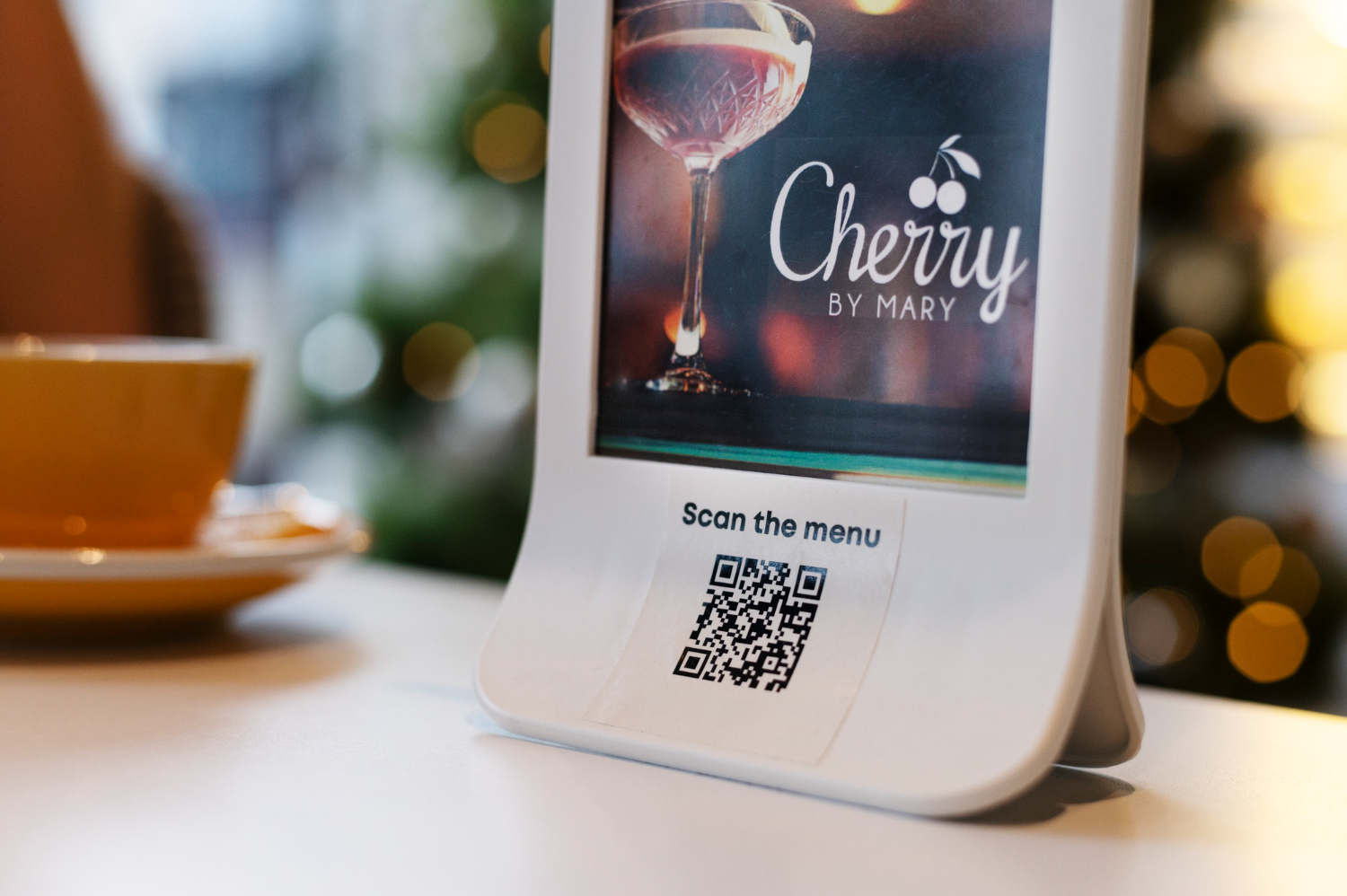
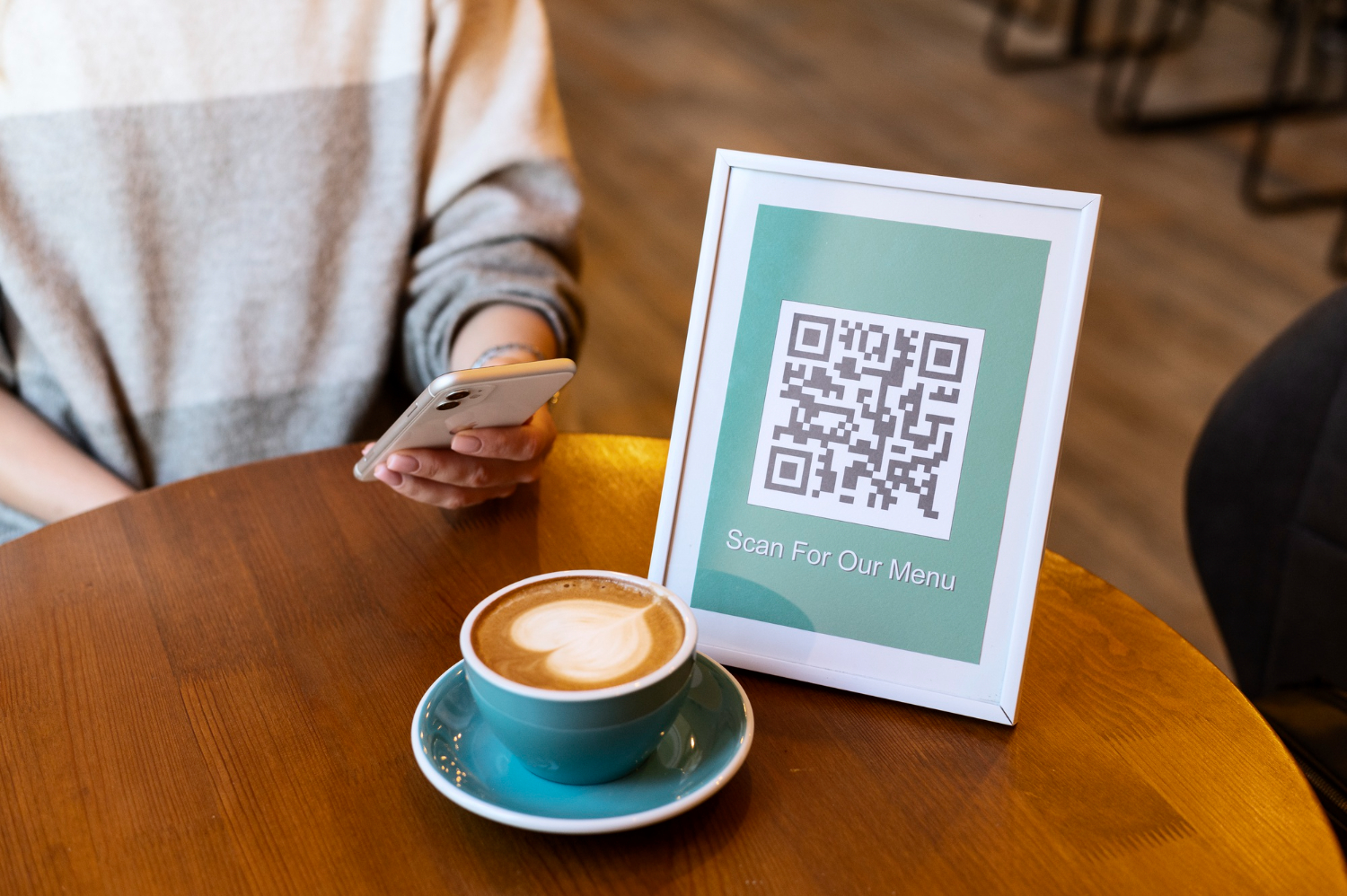
- QR code menus: Customers scan a QR code with their smartphone to open the restaurant's menu.
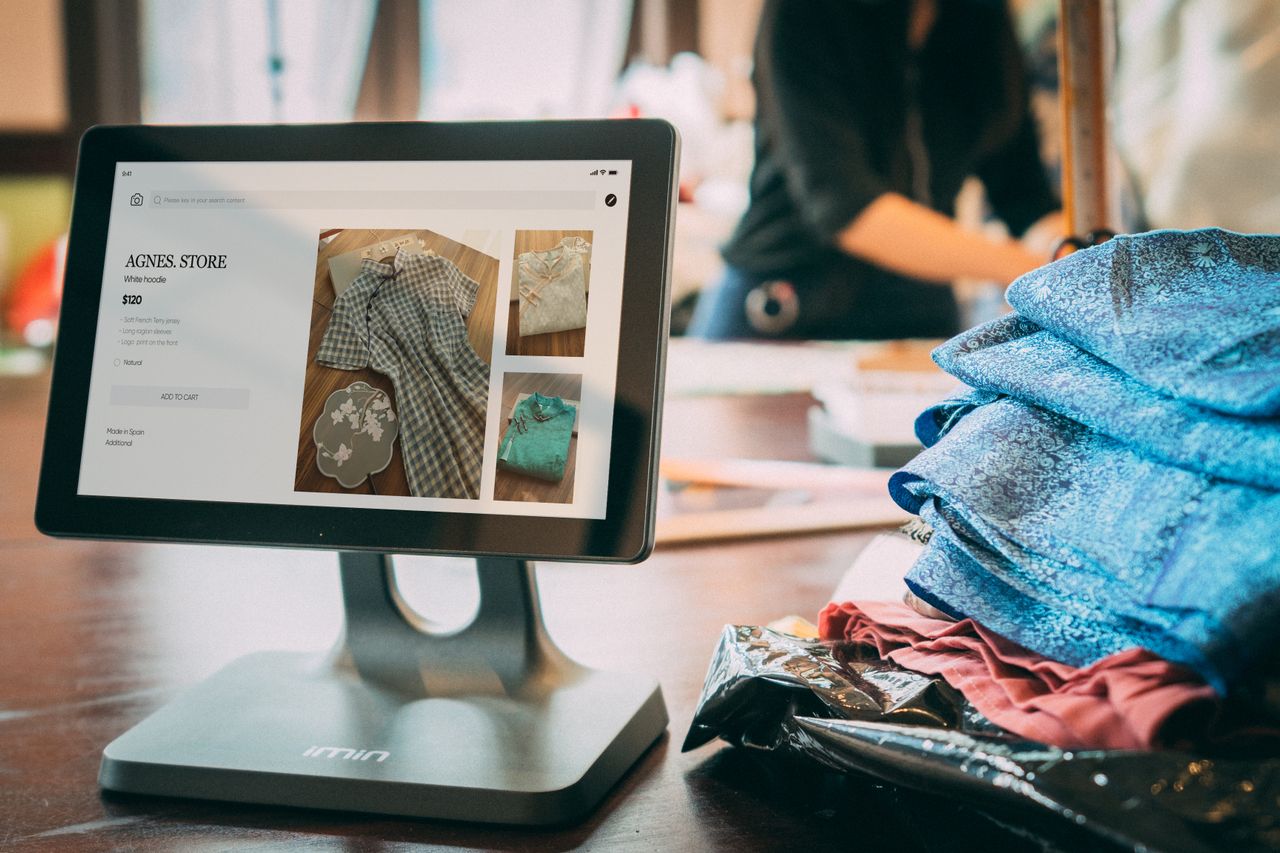
- Digital menus: Restaurants display dishes, descriptions, prices, photos, and other information digitally.
- Contactless ordering: Customers can browse available options and place orders through digital interfaces.
- Digital payments: Customers can pay electronically without depending entirely on cash or traditional payment processes.
- Online reservations: Guests can schedule tables without calling the restaurant.
- Automated notifications: Systems can send confirmations, reminders, and other customer communications automatically.
Together, these tools can create a more connected restaurant experience.
QR Code Menus Are Becoming a Standard Digital Tool
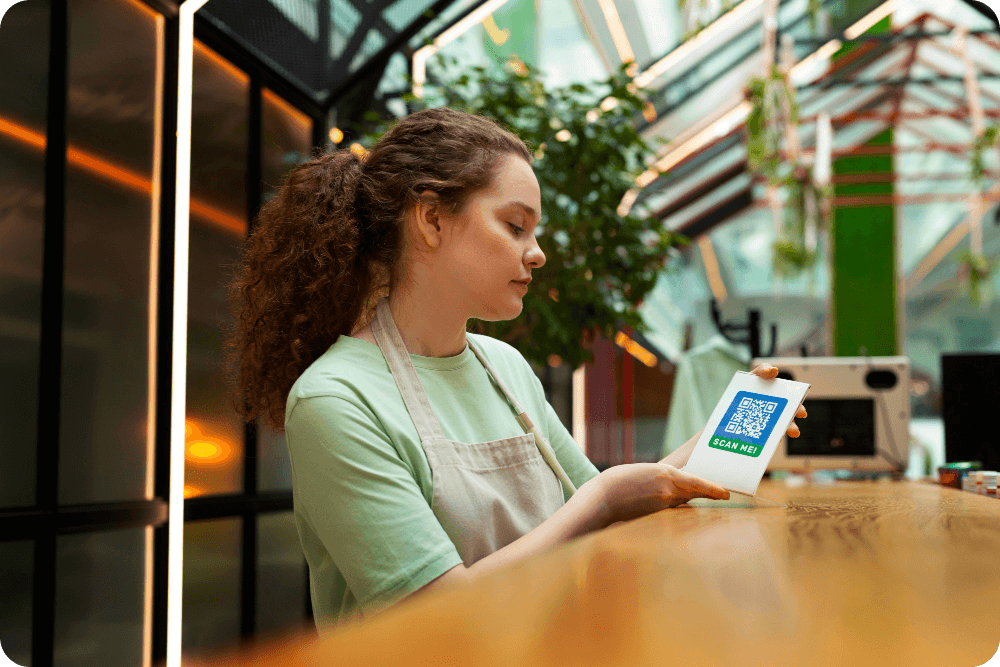
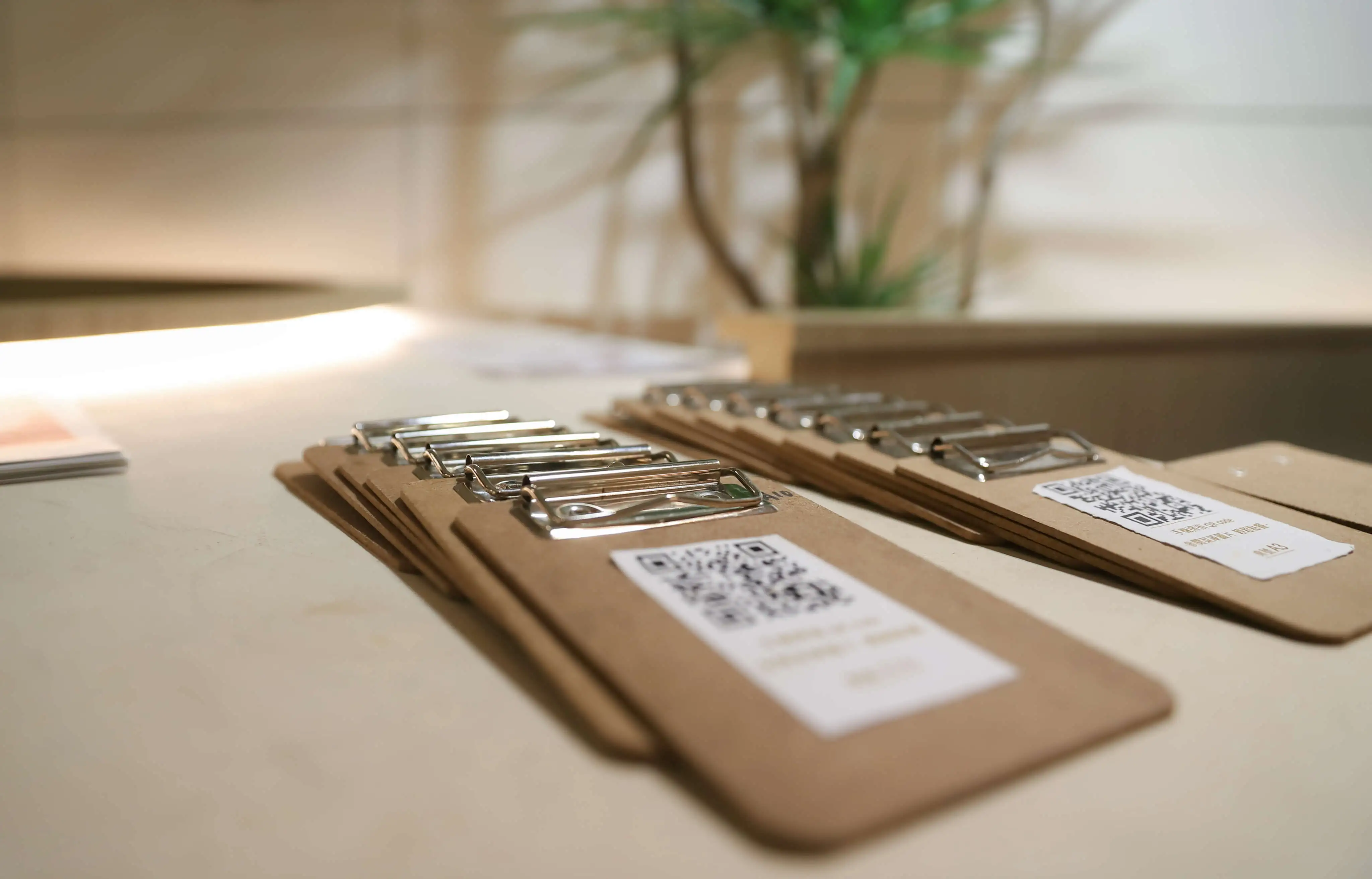
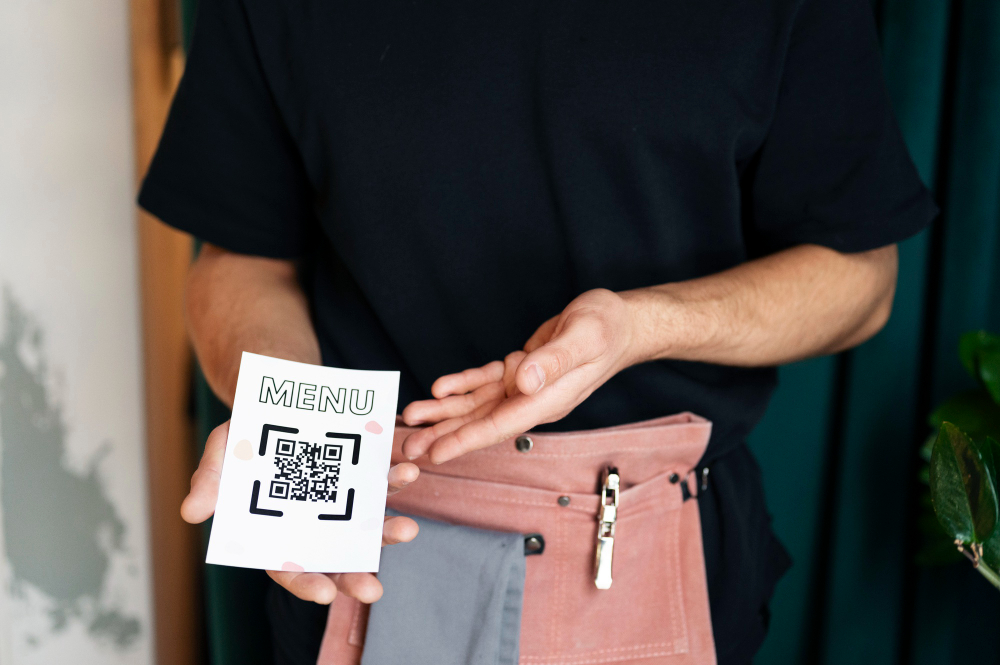
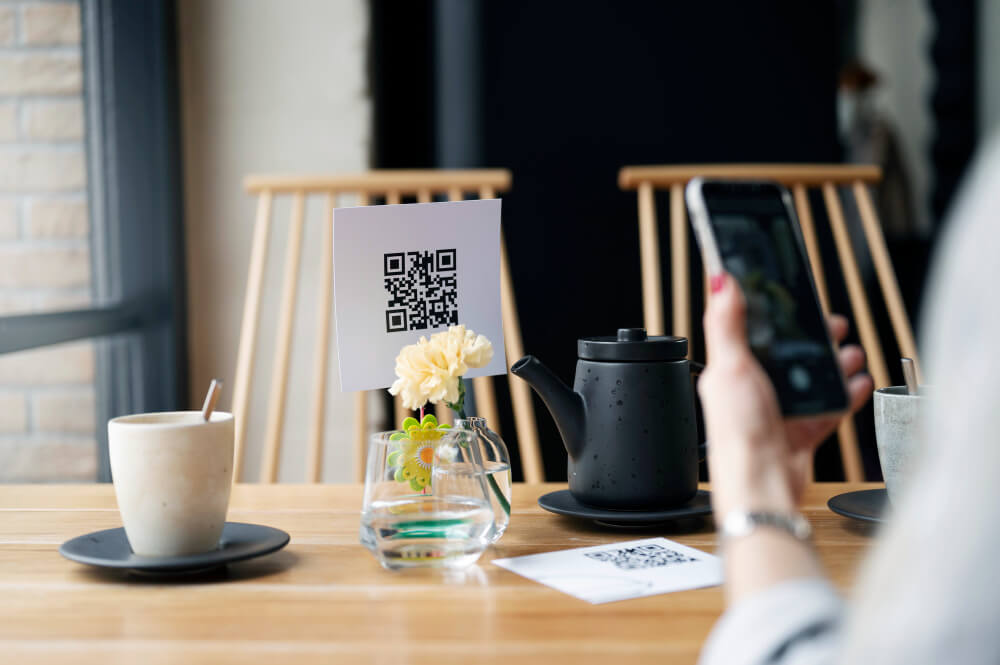
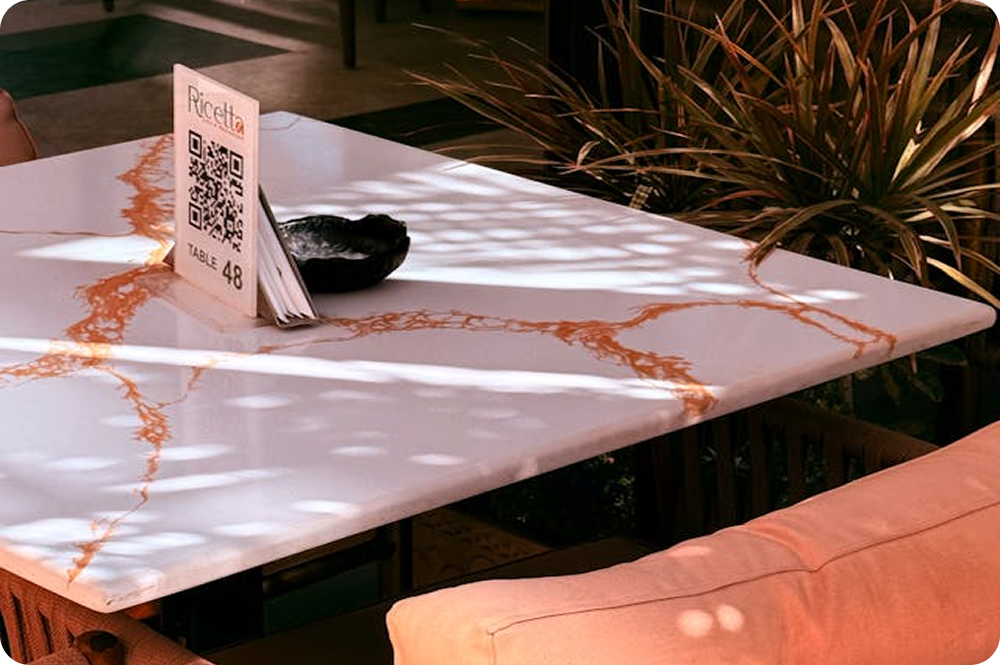
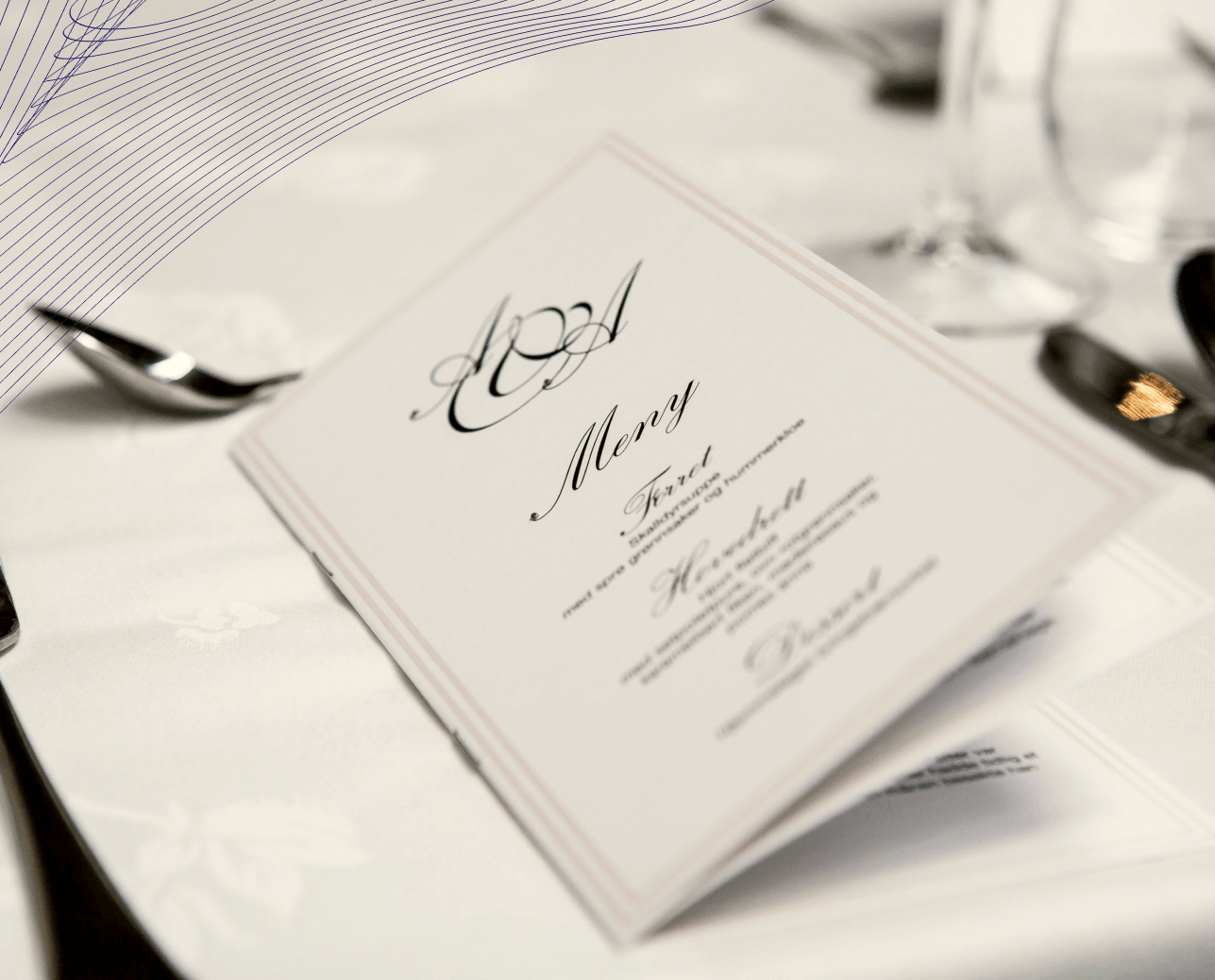
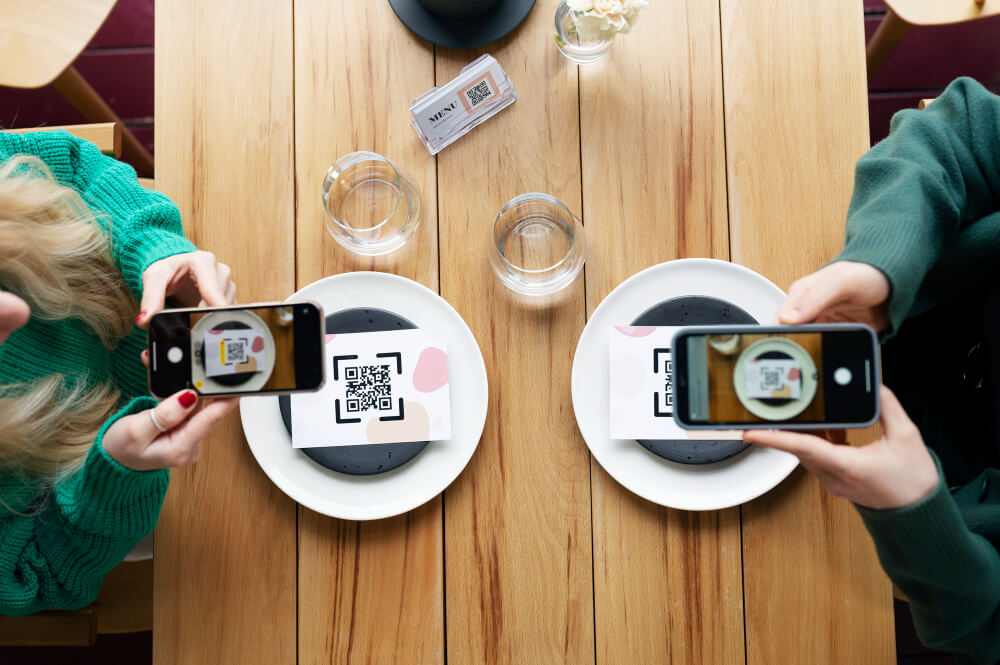
One of the easiest ways to introduce contactless technology is with a QR code menu.
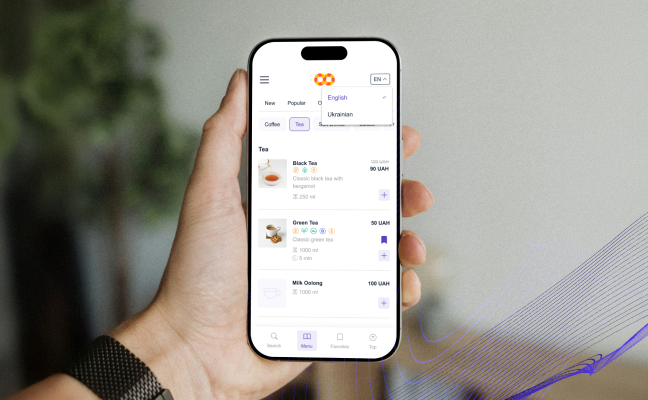
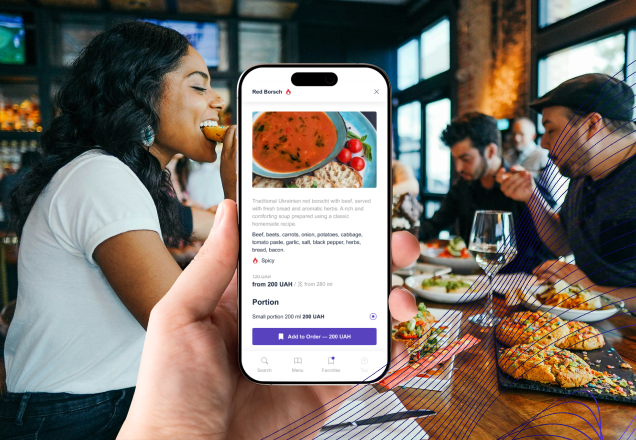
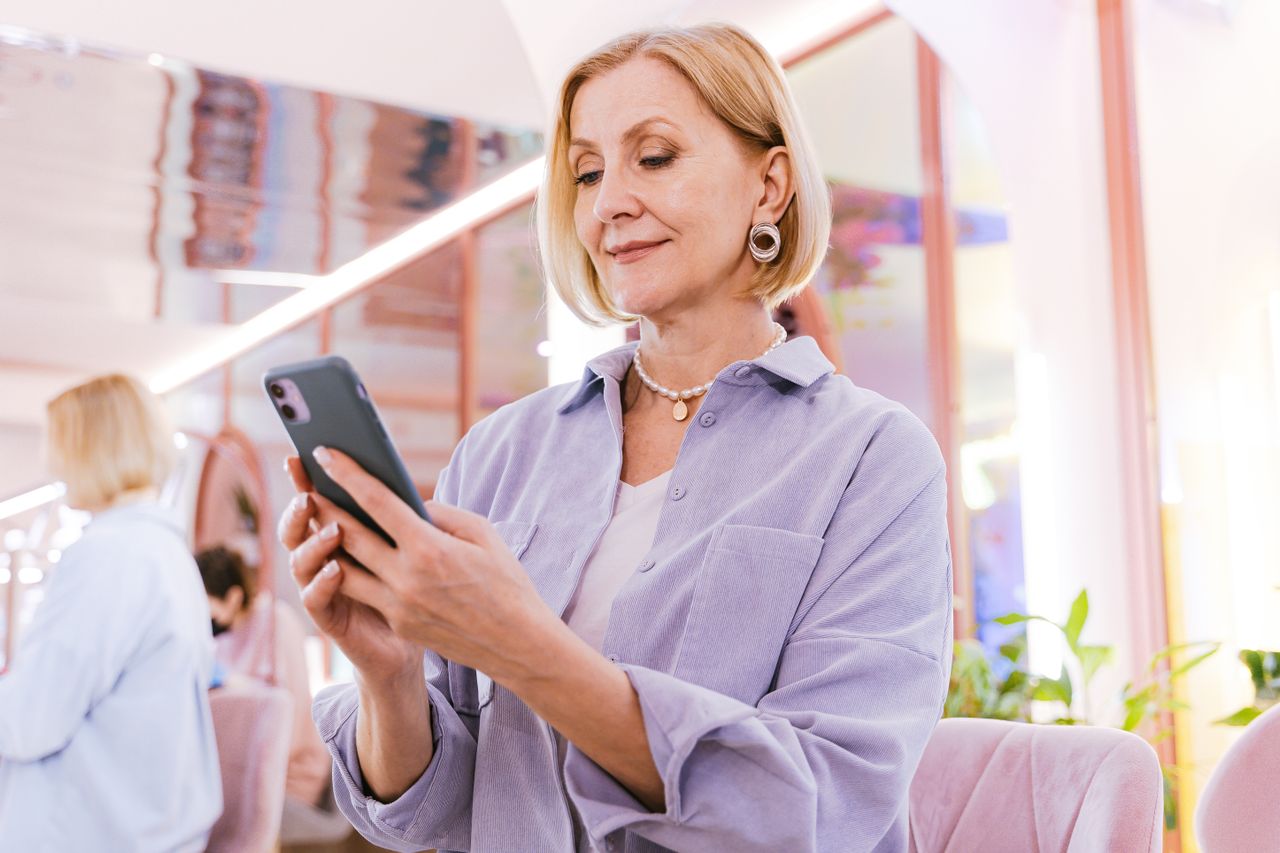
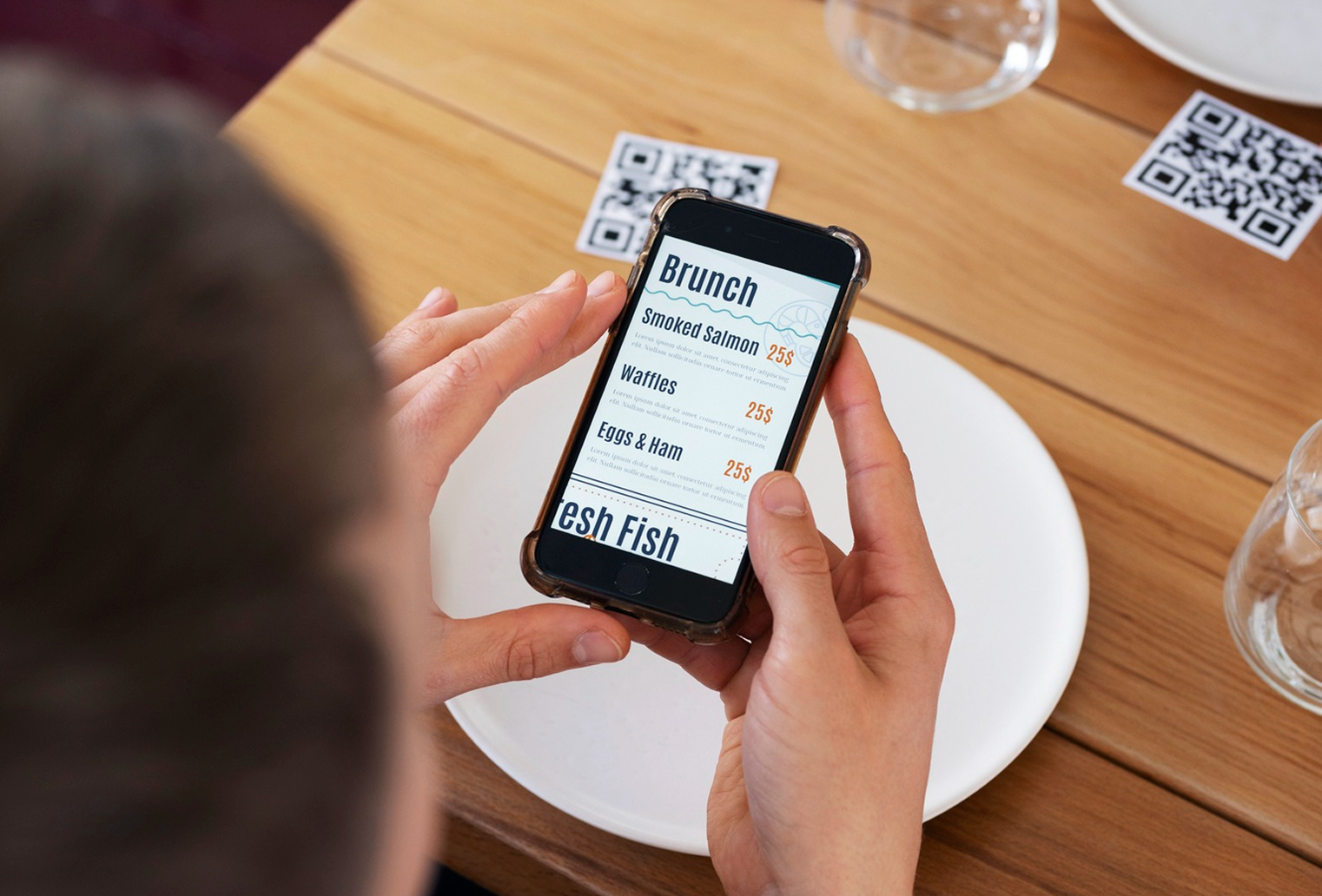
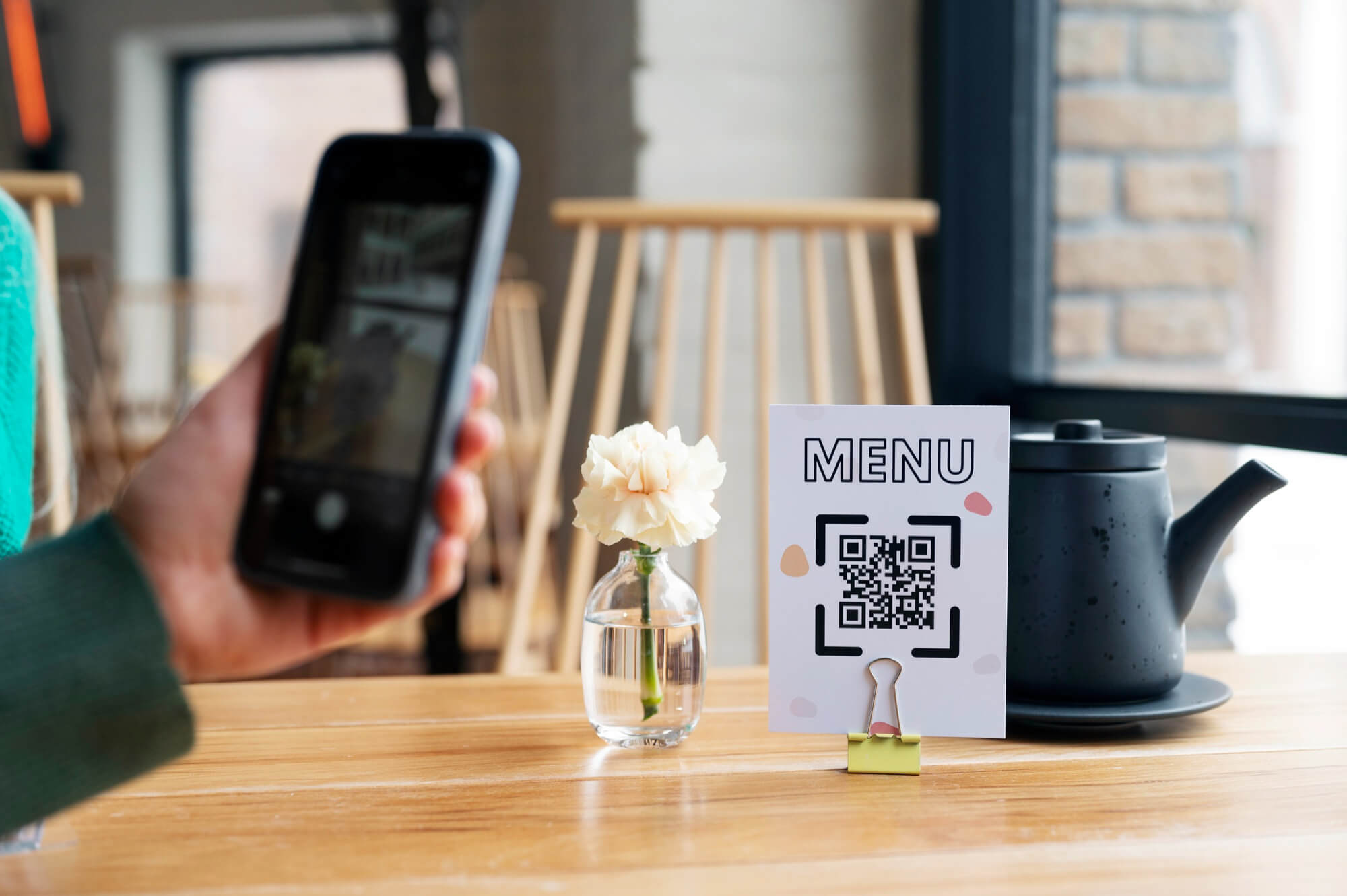
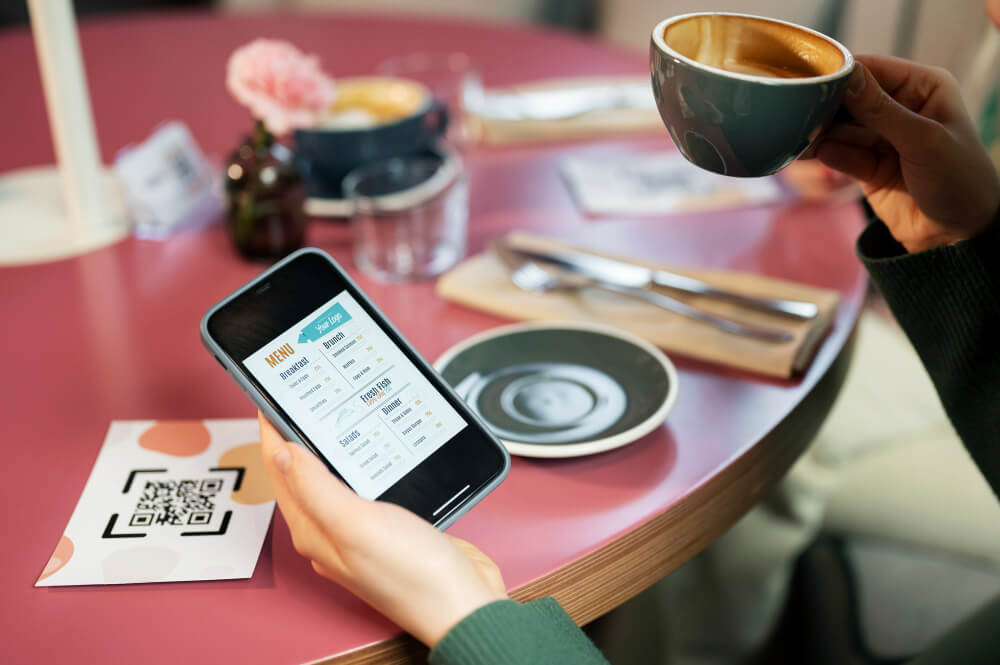
Customers simply scan a QR code using their smartphone and open the restaurant's menu. They don't need to download a separate application, which makes the process familiar and accessible.
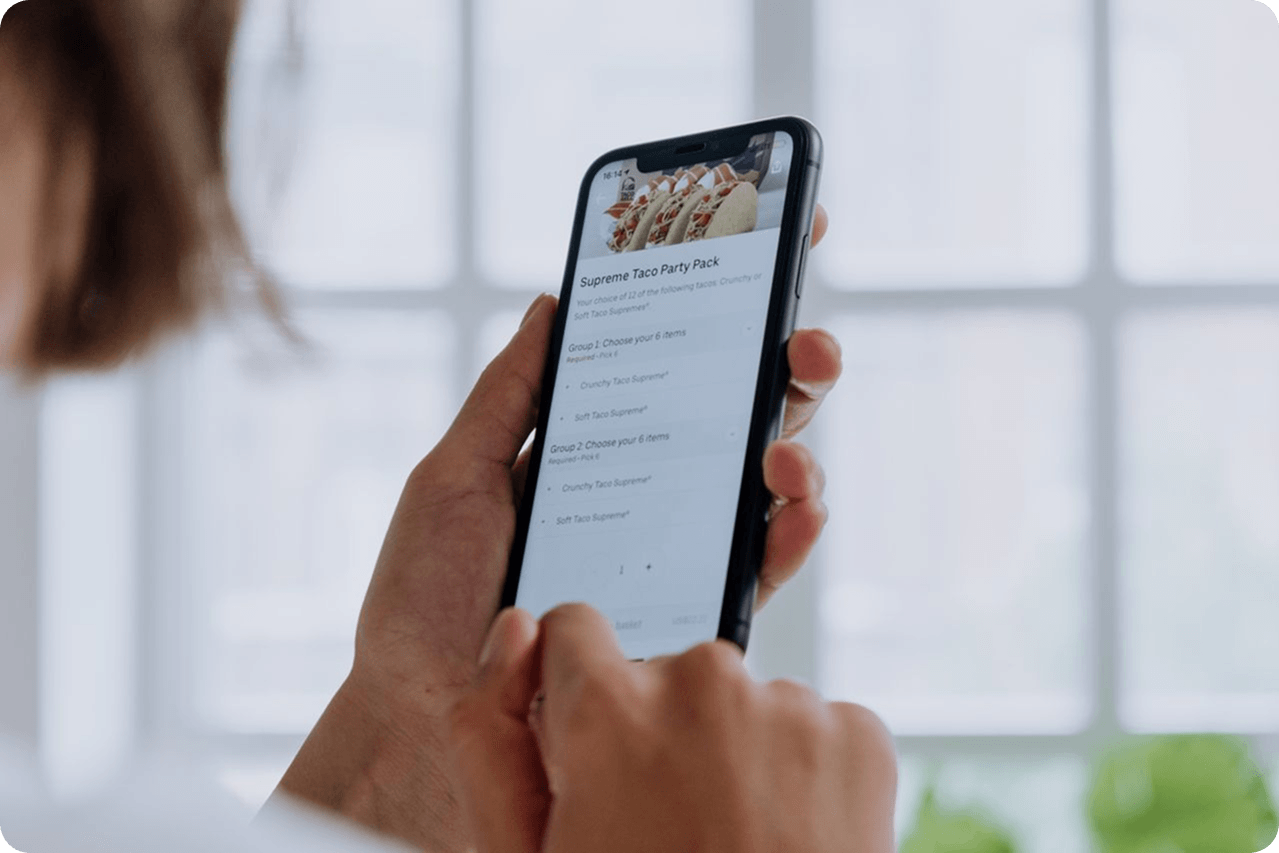
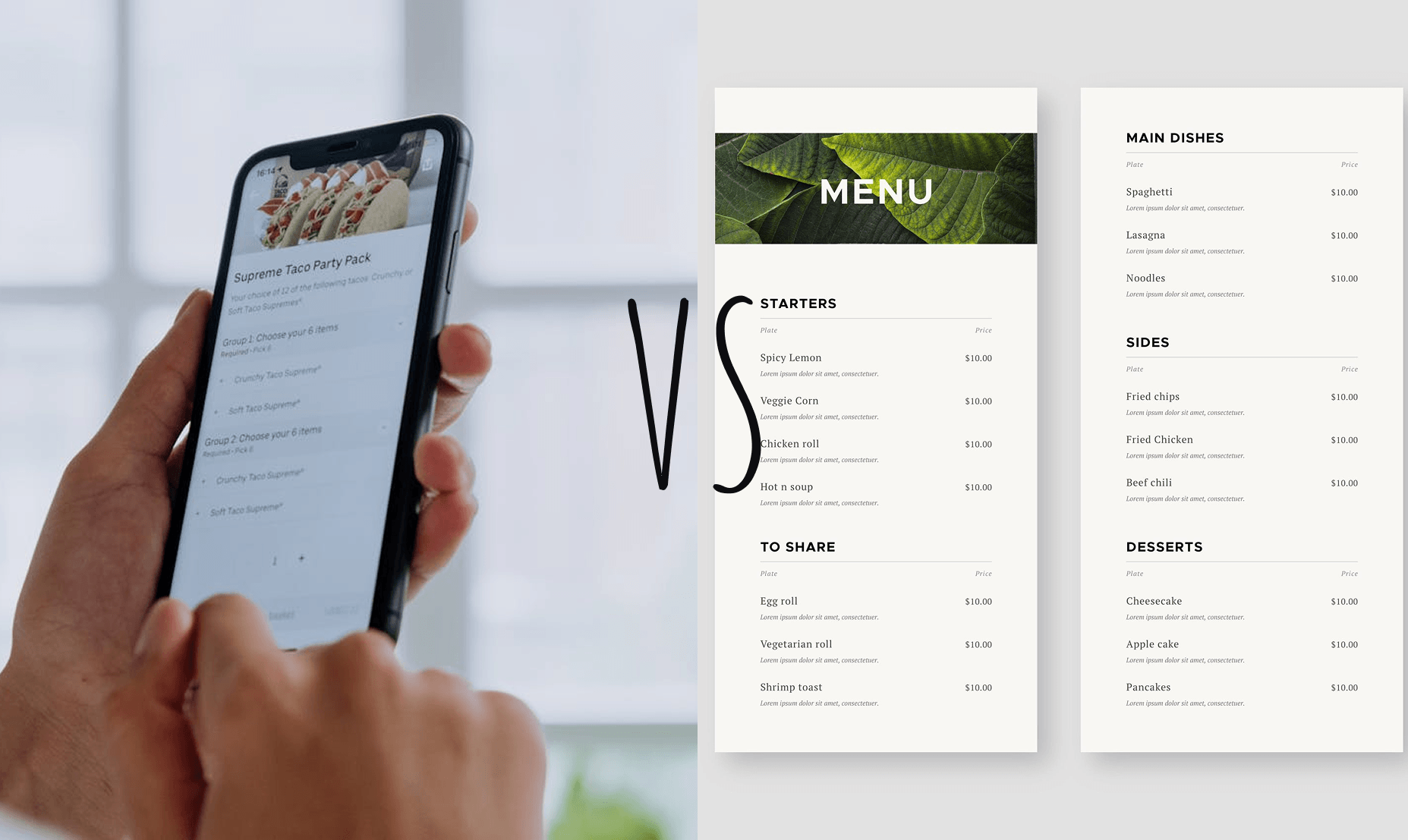
A digital menu can provide more information than a traditional printed menu, including:
- Dish photos
- Ingredients and descriptions
- Prices
- Allergens
- Dietary information
- Portion sizes
- Add-ons and customization options
- Different menu categories
- Multiple languages
Restaurants also gain more flexibility because they can update the information digitally instead of printing new menus.
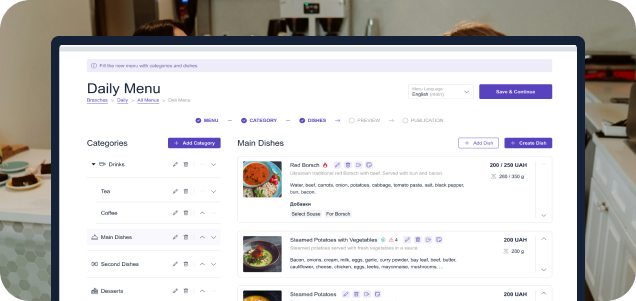
Digital Menus Make Restaurant Updates Easier
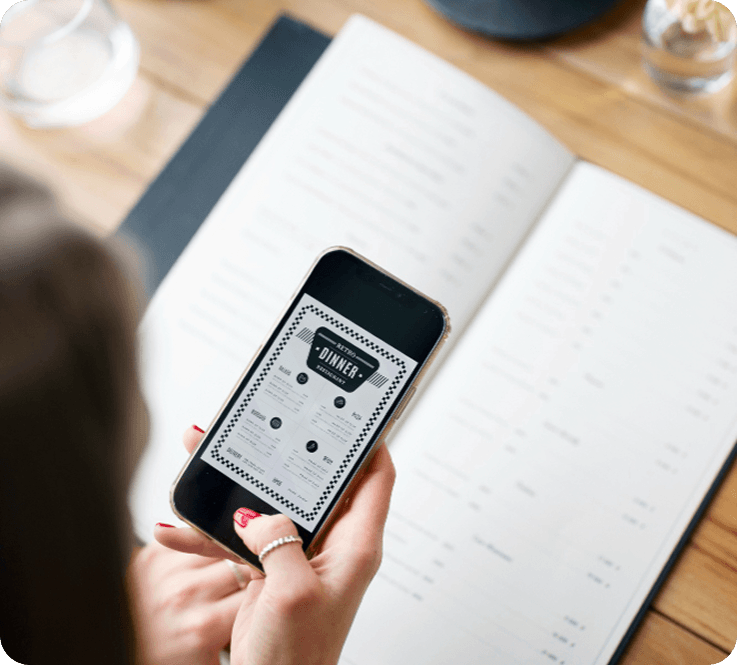
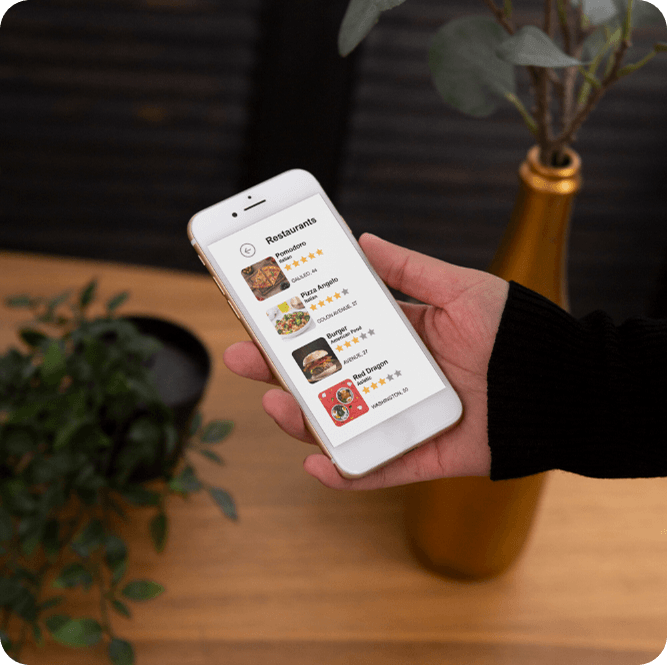
Printed menus can become outdated quickly. A restaurant may change a price, remove a dish, introduce a seasonal special, or temporarily run out of an ingredient.
With a digital menu, these changes can be made without replacing every physical copy.
This is especially useful for restaurants with frequently changing offerings.
For example, a restaurant can:
- Add seasonal dishes.
- Update prices.
- Mark unavailable items.
- Create special categories.
- Change dish descriptions.
- Add new photos.
- Update allergen information.
- Provide menus in multiple languages.
The customer sees the updated information the next time they open the menu.
Contactless Ordering Gives Customers More Control
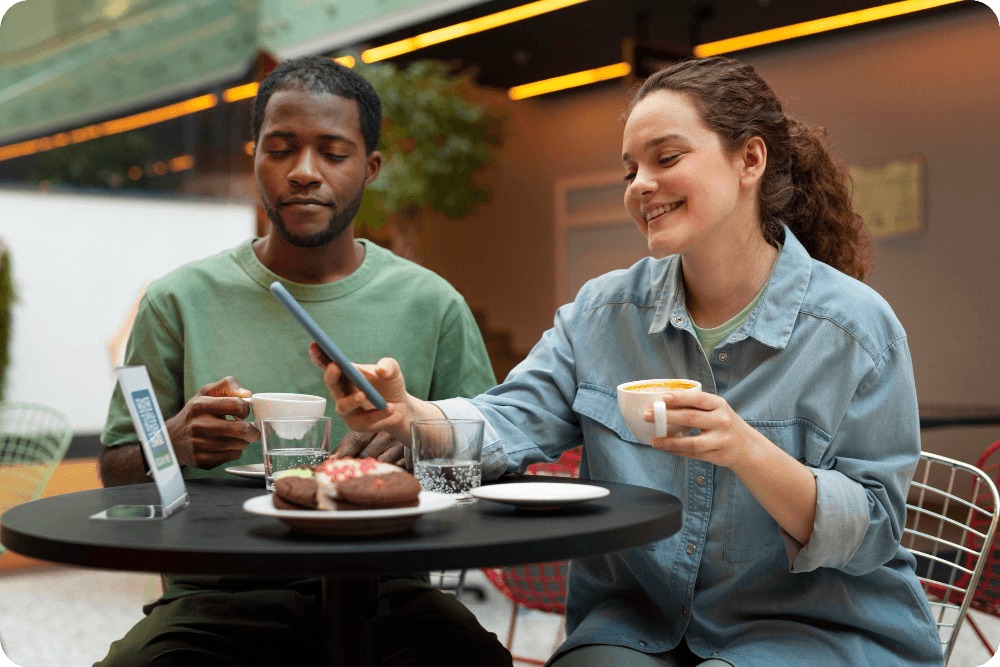
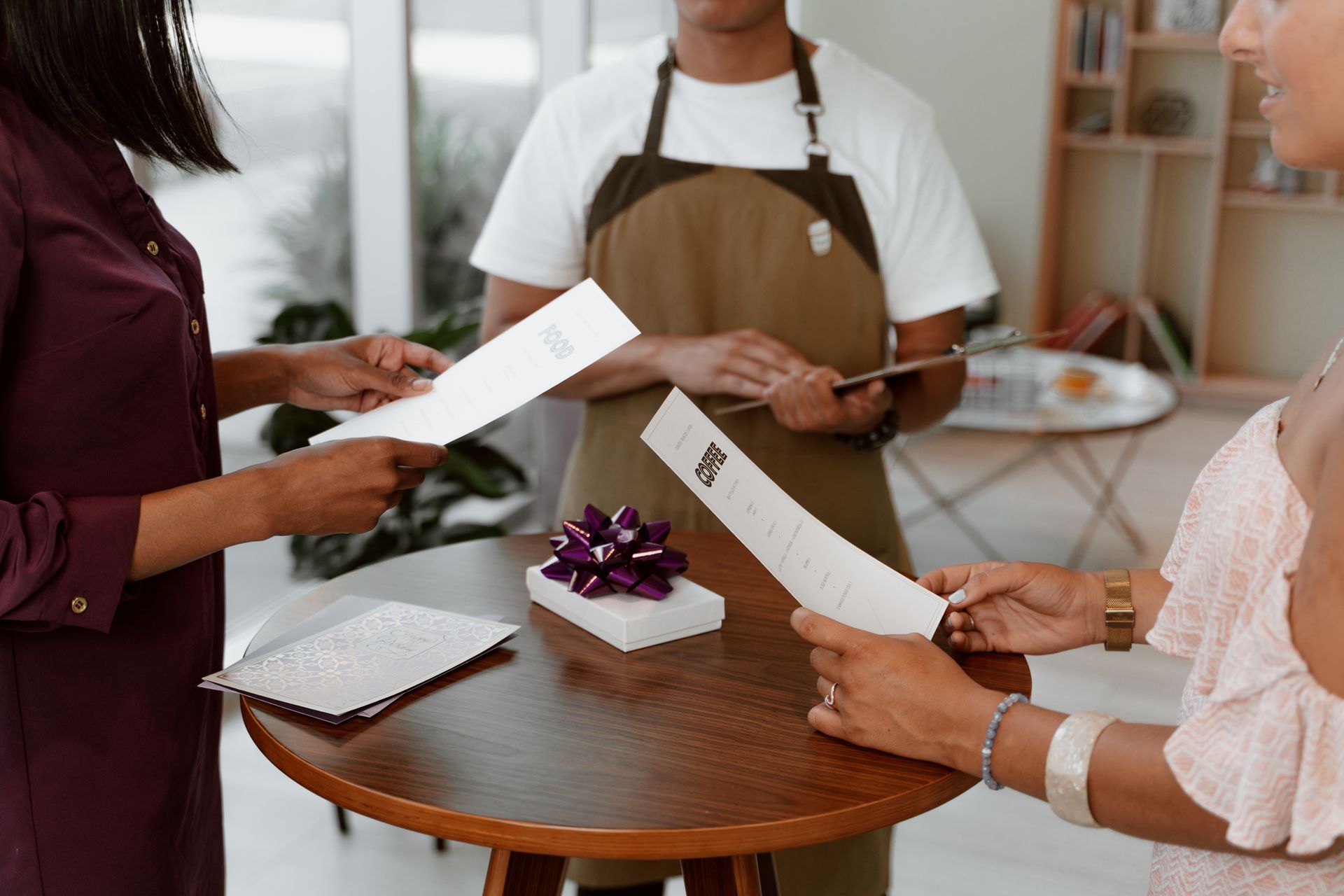
Contactless ordering can change how customers interact with restaurant staff. Instead of waiting for someone to bring a menu, answer questions, or take an order, customers can explore the available options at their own pace. This can be particularly useful during busy periods.
Customers can:
- Browse the menu independently.
- Search for specific dishes.
- Review ingredients before ordering.
- Explore different categories.
- Check prices before making a decision.
- Select available add-ons or options.
- Spend more time choosing without feeling rushed.
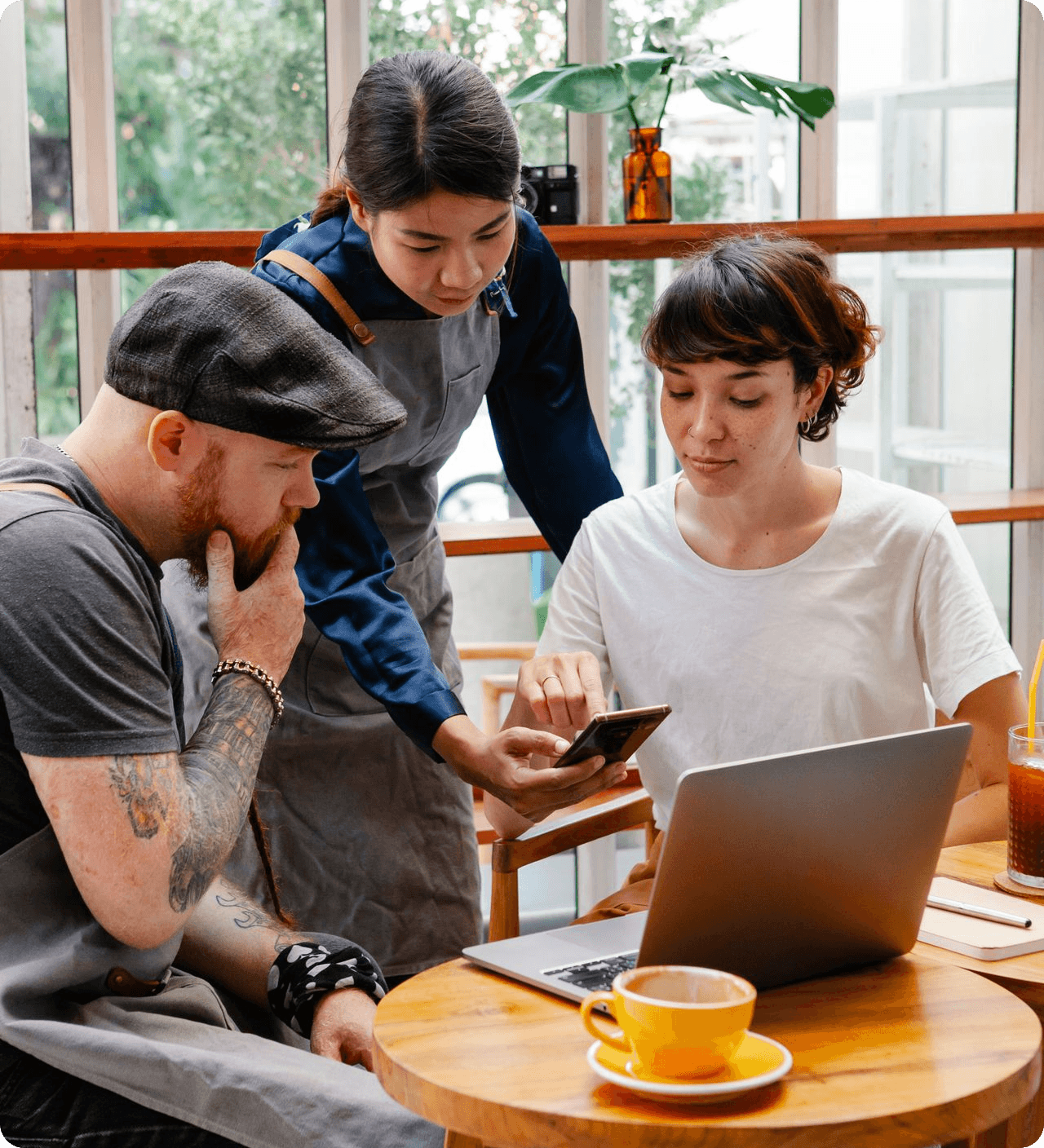
For staff, this can reduce some repetitive interactions and allow them to focus on hospitality and service.
Restaurant Automation Reduces Repetitive Work
Contactless technology becomes even more valuable when it connects with restaurant automation.
Automation can take over repetitive processes that would otherwise require employees to perform the same tasks manually.
Restaurants can automate areas such as:
- Appointment or reservation confirmations.
- Customer notifications.
- Menu updates.
- Order information.
- Inventory-related processes.
- Payment workflows.
- Reporting and analytics.
- Customer data management.
The goal isn't to automate every part of the restaurant. Human interaction remains an important part of hospitality. Instead, automation should handle routine work so employees can concentrate on tasks that require personal attention.
Contactless Technology Can Improve the Customer Experience
Customers generally value convenience. They don't want technology simply because it is new; they want it to make their experience easier.
A well-designed digital restaurant experience can help customers:
- Find menu information quickly.
- Understand dishes before ordering.
- Identify allergens or dietary options.
- Access menus without waiting.
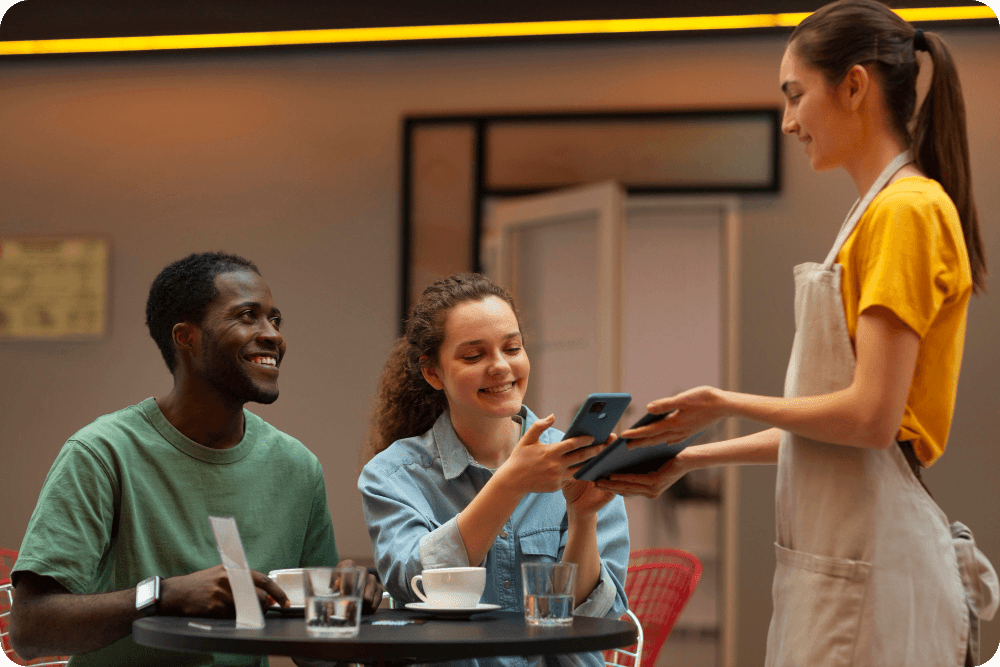
- Choose from multiple payment options.
- Avoid unnecessary queues.
- Access information from their own smartphones.
For restaurants, this can create a more consistent experience across different tables, locations, and service periods.
Multilingual Digital Menus Help Restaurants Serve More Guests
Language can be an important consideration for restaurants in tourist destinations or areas with international customers.
A digital menu can support multiple languages without requiring the restaurant to print separate sets of menus.
This allows restaurants to:
- Provide menu information in different languages.
- Make dishes easier for international visitors to understand.
- Reduce the need for staff to translate every item.
- Update translations when menu information changes.
- Give customers control over their preferred language.
A multilingual menu can make the dining experience more accessible while reducing additional printed materials.
Contactless Technology Supports Seasonal and Limited-Time Offers
Restaurants often want to experiment with new dishes, promotions, and seasonal products.
Printed menus can make these changes inconvenient because temporary promotions don't always justify printing an entirely new menu.
Digital solutions make temporary changes much easier.
For example, a restaurant can create sections for:
- Summer specials
- Holiday dishes
- Chef's recommendations
- Limited-time desserts
- New drinks
- Lunch specials
- Weekend promotions
When the promotion ends, the restaurant can remove or archive the relevant items without replacing its physical menu materials.
Contactless Restaurant Technology Can Connect Different Operations
The biggest transformation happens when individual digital tools don't operate in isolation.
A restaurant may need to manage menus, customers, bookings, sales, employees, and other operations at the same time. Managing each area separately can create duplicated work and make information harder to keep consistent.
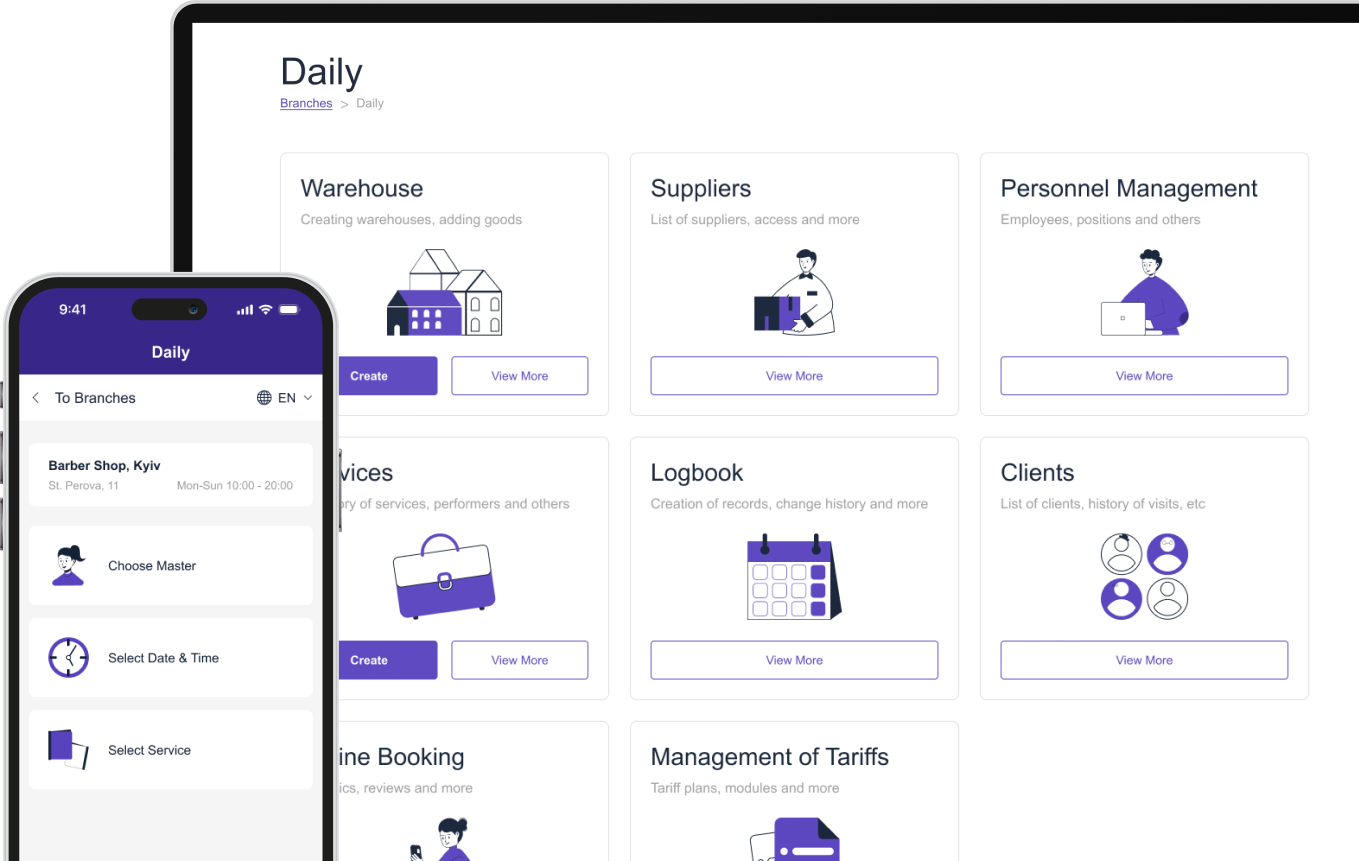
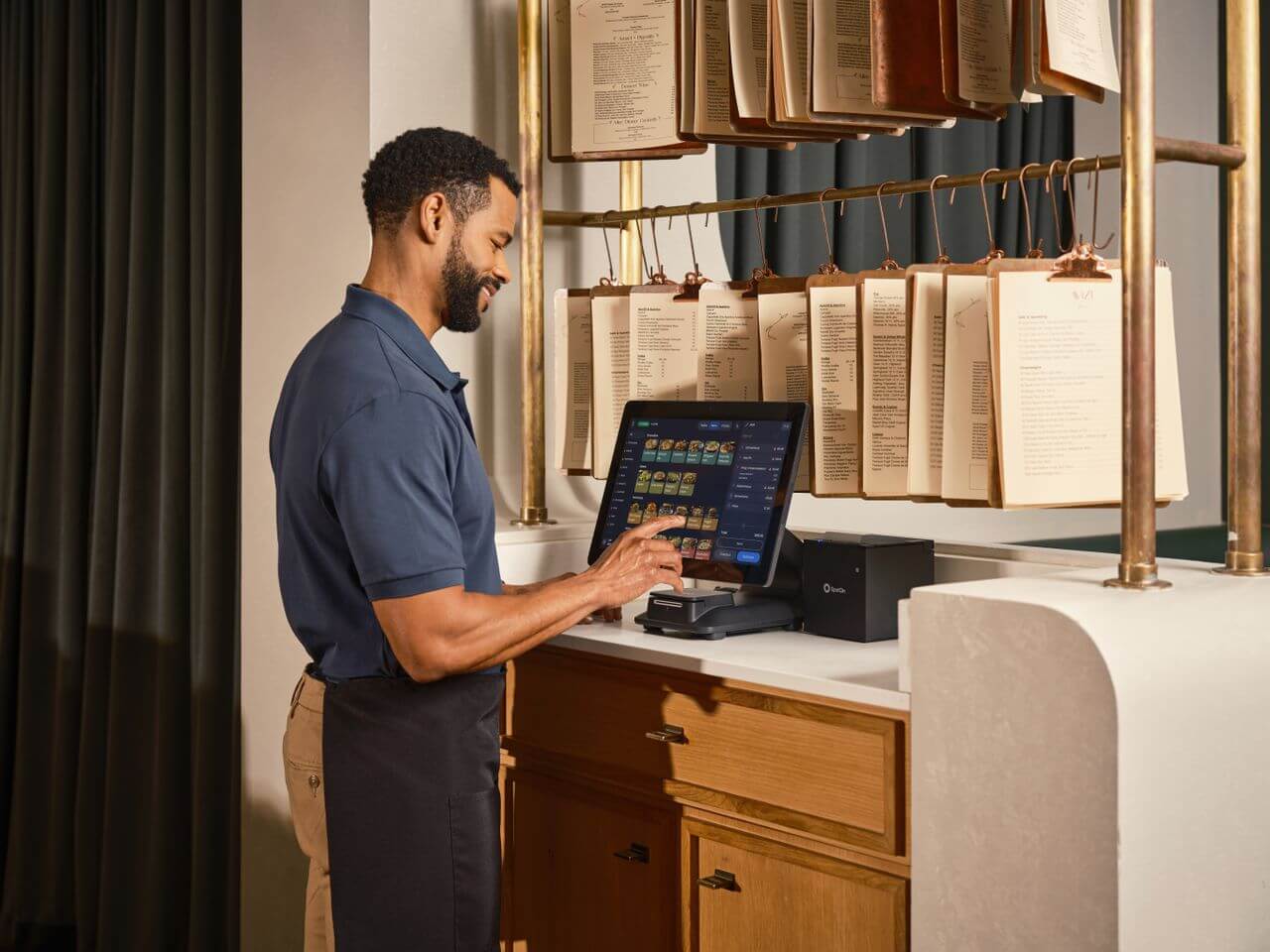
A platform such as ME-POS can bring different restaurant processes into a more connected system. Its tools cover areas such as digital menus, online booking, customer management, sales, inventory, employee management, and analytics.
This means contactless technology can become part of broader restaurant management rather than simply replacing a printed menu.
Start Your Me-Pos
Experience for Free!
Make sure that Me-Pos Online Booking meets your needs and requirements before making a final decision.
Use for Free
Key Benefits of Contactless Restaurant Technology
Technology
Customer Benefit
Restaurant Benefit
QR Code Menu
Quick access to menu information
Easy digital distribution
Digital Menu
Updated prices, dishes, and details
Changes without reprinting
Contactless Ordering
More control over the ordering process
Less repetitive staff interaction
Digital Payments
Convenient payment options
Faster and more organized transactions
Online Booking
Easy appointment or table scheduling
Less manual booking work
Automation
Faster communication and service
Reduced repetitive tasks
Multilingual Menus
Easier menu access for international guests
One digital menu can support multiple languages
What Should Restaurants Consider Before Going Contactless?
Technology should solve a real problem rather than being added simply because it is available.
Before introducing new tools, restaurants should consider:
- Customer preferences: Make sure your target customers are comfortable using digital solutions.
- Ease of use: The process should be simple enough to understand without staff assistance.
- Mobile experience: Your digital menu should work smoothly on smartphones.
- Accessibility: Provide alternative ways to access important information when necessary.
- Staff training: Employees should understand how the system works and how to help customers.
- Information accuracy: Keep prices, availability, ingredients, and other menu details updated.
- Integration: Choose tools that can work together instead of creating additional disconnected systems.
The best contactless solution is one that makes the experience easier for both customers and employees.
The Future of Contactless Technology in Restaurants
Contactless technology will continue to evolve as restaurants look for better ways to combine convenience with efficient operations.
The focus is moving beyond individual QR codes or digital menus toward connected restaurant ecosystems. Menus, bookings, customer information, payments, staff workflows, and business data can increasingly work together.
For restaurant owners, this means technology can become more than a customer-facing feature. It can become part of the infrastructure that supports everyday decision-making and operations.
Conclusion
Contactless restaurant technology is changing how customers discover menus, place orders, make payments, and interact with restaurants. QR codes and digital menus make information easier to access, while contactless ordering and restaurant automation can reduce repetitive work for staff.
The key is not to replace hospitality with technology. Instead, restaurants should use technology to remove unnecessary friction and give employees more time to focus on delivering great service.
With solutions such as ME-POS, restaurants can combine digital menus and other management tools in one connected environment, making contactless technology part of a broader strategy for modern restaurant operations.
Frequently Asked Contactless Technologies for Restaurants
No. A QR code menu can be opened directly through a smartphone's camera or QR scanner, so customers don't necessarily need to install a dedicated application.
Yes. A digital menu doesn't have to make a restaurant feel less sophisticated. When designed well, it can provide detailed information while allowing the restaurant to maintain its desired atmosphere and service style.
Absolutely. Restaurants can provide both options and let customers choose the format they prefer. This can be particularly helpful for guests who are less comfortable using smartphones.
A properly managed digital menu can be updated when availability changes. Restaurants can remove, archive, or mark unavailable items so customers are less likely to select something the kitchen cannot provide.
No. Small cafés, bars, food businesses, and independent restaurants can also benefit from digital menus, QR codes, online booking, and automation. Smaller businesses may find these tools particularly useful for reducing manual administrative work.
Me-Pos Team
Last modified 18.09.2026
Was This Article Helpful?
Click on a star to rate it!
Thank you for your vote!

Average Rating: 5/5 Votes: 1
Be the first to rate this post!
Share with Friends:
















View more
Related Articles

1721
5
The Ultimate Well Drinks List: Popular Choices for Every Bar
Running a bar? Then you need a solid well drinks list to keep things moving. These well drinks are your bread and butter—affordable, quick to make, an...
Me-Pos Team
|
11.03.2025
|
10min
400
5
Polite Appointment Reminders and Genuine Reviews: Automation Secrets
Every service business — from salons and spas to tattoo studios and clinics — faces two common challenges: missed appointments and inconsistent custom...
Me-Pos Team
|
02.03.2026
|
9min

332
5
Why More Small Businesses Are Switching to Cloud POS Systems
Small businesses today face increasing pressure to operate faster, smarter, and more efficiently. Whether it’s a beauty salon, retail shop, café, or s...
Me-Pos Team
|
20.04.2026
|
8min
244
5
How QR Menu Technology Is Changing the Restaurant Industry Worldwide
The restaurant industry has always adapted to changing customer expectations, but few innovations have spread as quickly and effectively as QR menu te...
Me-Pos Team
|
22.06.2026
|
13min
1401
3.8
Beauty Parlor Design Ideas: Create a Stylish and Inviting Space
Your beauty parlor is more than a place where clients come for a quick haircut or manicure. It’s a sanctuary, a haven where people go to feel refreshe...
Me-Pos Team
|
07.04.2025
|
8min
1721
5
The Ultimate Well Drinks List: Popular Choices for Every Bar
Running a bar? Then you need a solid well drinks list to keep things moving. These well drinks are your bread and butter—affordable, quick to make, an...
Me-Pos Team
|
11.03.2025
|
10min
400
5
Polite Appointment Reminders and Genuine Reviews: Automation Secrets
Every service business — from salons and spas to tattoo studios and clinics — faces two common challenges: missed appointments and inconsistent custom...
Me-Pos Team
|
02.03.2026
|
9min
332
5
Why More Small Businesses Are Switching to Cloud POS Systems
Small businesses today face increasing pressure to operate faster, smarter, and more efficiently. Whether it’s a beauty salon, retail shop, café, or s...
Me-Pos Team
|
20.04.2026
|
8min
244
5
How QR Menu Technology Is Changing the Restaurant Industry Worldwide
The restaurant industry has always adapted to changing customer expectations, but few innovations have spread as quickly and effectively as QR menu te...
Me-Pos Team
|
22.06.2026
|
13min
1401
3.8
Beauty Parlor Design Ideas: Create a Stylish and Inviting Space
Your beauty parlor is more than a place where clients come for a quick haircut or manicure. It’s a sanctuary, a haven where people go to feel refreshe...
Me-Pos Team
|
07.04.2025
|
8min
View more
