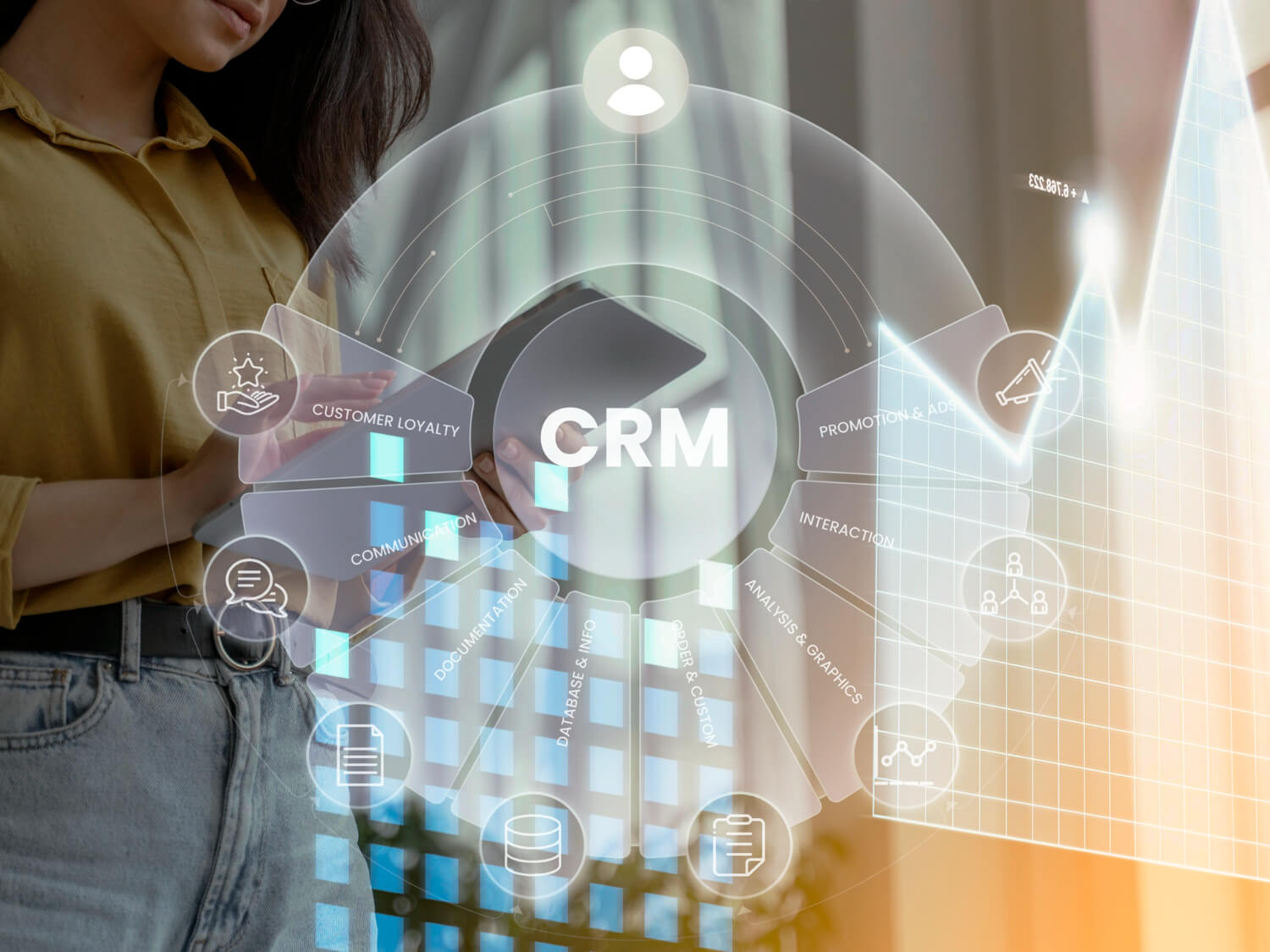
Sales Analytics: Identifying Profitable Services vs. Financial Losses
For service-based businesses such as salons, spas, tattoo studios, and clinics, success is not only about attracting more clients — it’s also about understanding which services actually generate profit and which quietly drain your resources.
Many business owners assume their most popular services are also the most profitable. However, without proper sales analytics, this assumption can lead to poor decisions. Some services may require more time, expensive materials, or highly skilled staff while generating relatively low margins.
That’s where sales analytics tools become essential. By analyzing service performance, revenue trends, and operational costs, businesses can clearly identify which offerings drive profits and which ones lead to financial losses.
Let’s explore how modern analytics helps you make smarter decisions and optimize your service menu.


Why Sales Analytics Matters in Service Businesses
Service businesses often track total revenue but fail to analyze individual service performance. This creates blind spots.
Sales analytics helps answer critical questions like:
- Which services generate the highest profit margins?
- Which services consume the most staff time?
- Are certain services priced too low?
- Which treatments attract repeat customers?
- Are some offerings actually losing money?
With detailed analytics, owners can adjust pricing, refine services, and allocate resources more effectively.
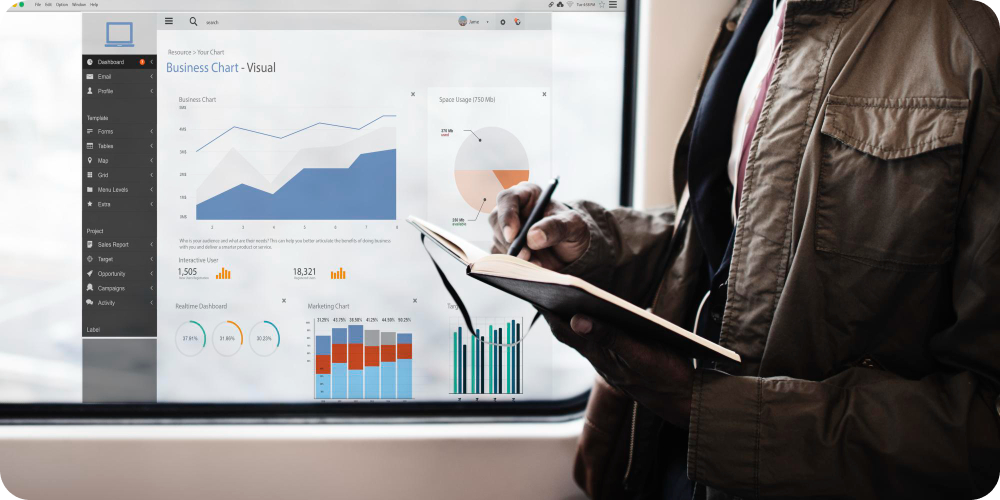
Modern POS and CRM platforms like ME-POS simplify this process by providing real-time reports on sales performance, helping businesses quickly identify trends and opportunities.
The Difference Between Revenue and Profit
One of the most common mistakes is confusing revenue with profitability.
A service may bring in large revenue numbers but still produce minimal profit if the costs are too high.
Example
A hair treatment that costs $80 may seem profitable — but if it requires expensive products and 90 minutes of staff time, the real profit margin might be low.
Understanding this difference is the first step toward improving financial performance.
Key Metrics to Track in Sales Analytics
To truly understand which services generate profit and which may be causing financial losses, businesses must track a set of critical performance metrics. These indicators provide deeper insights into service efficiency, pricing effectiveness, and operational costs. By monitoring these metrics consistently, owners and managers can make informed decisions that improve profitability and resource allocation.

1. Service Revenue
Service revenue represents the total income generated from each individual service over a defined period, such as weekly, monthly, or quarterly. Tracking service revenue allows businesses to quickly identify which services are most popular and contribute the largest share of income.
However, revenue alone does not tell the full story. A service that brings in large amounts of revenue might still have low profit margins if it requires expensive materials or extensive staff time. That’s why revenue should always be analyzed alongside cost-related metrics.
Monitoring service revenue helps businesses:
- Identify the most in-demand services
- Understand seasonal trends in bookings
- Evaluate the success of promotional campaigns
- Decide which services deserve more marketing attention
For example, a beauty salon may discover that hair coloring services generate the highest revenue each month, making them a core offering that deserves continued promotion and investment.

2. Cost of Materials
The cost of materials refers to the products and supplies required to perform a service. In industries such as beauty, wellness, and personal care, material costs can vary widely depending on the quality of products used and the complexity of the service.
Examples of material costs include:
- Hair dye, treatments, and styling products
- Nail polish, gels, and manicure tools
- Skincare products used during facials
- Tattoo ink and disposable equipment
- Spa oils, creams, and masks
Tracking these costs is essential because they directly impact profit margins. If a service uses expensive products but is priced too low, it may generate little or no profit.
By analyzing material costs, businesses can:
- Adjust pricing to reflect product expenses
- Identify services that consume excessive resources
- Negotiate better pricing with suppliers
- Replace inefficient products with cost-effective alternatives
Even small adjustments in material costs can significantly increase overall profitability over time.

3. Staff Time
Staff time measures how long employees spend performing each service, including preparation, execution, and cleanup. In service businesses, time is one of the most valuable resources because it determines how many appointments can be scheduled in a day.
A service that takes 90 minutes prevents the staff member from serving other clients during that period. Therefore, understanding how much time each service requires helps businesses evaluate whether the price reflects the time investment.
Tracking staff time provides several benefits:
- Identifies services that occupy large blocks of time
- Helps optimize appointment scheduling
- Improves staff productivity
- Highlights opportunities for process improvements
For instance, if a treatment takes too long but generates modest revenue, businesses might consider simplifying the process, increasing the price, or replacing the service entirely.
Efficient time management ensures that staff members are used effectively while maximizing daily revenue potential.

4. Profit Margin
Profit margin is one of the most important metrics in sales analytics because it shows how much profit remains after subtracting costs associated with a service.
The basic formula is:
Profit Margin = (Revenue – Total Costs) ÷ Revenue × 100
Total costs typically include:
- Material costs
- Staff labor costs
- Operational overhead (utilities, equipment, etc.)
A high profit margin indicates that a service generates strong financial returns relative to its cost. A low margin, on the other hand, suggests that the service might not be financially sustainable.
Analyzing profit margins helps businesses:
- Identify their most profitable services
- Adjust pricing strategies
- Focus marketing on high-margin offerings
- Eliminate or redesign low-margin services
For example, a simple add-on like nail art may require minimal materials and time, yet generate a very high margin. Promoting such services can significantly boost profitability without increasing workload.

5. Demand Frequency
Demand frequency measures how often a particular service is booked within a given time period. This metric reveals customer preferences and helps businesses understand which services drive foot traffic.
Some services may not generate the highest margins individually but are booked very frequently, making them important for maintaining steady revenue.
Tracking demand frequency allows businesses to:
- Identify customer trends and preferences
- Forecast staffing needs during busy periods
- Design promotional campaigns around popular services
- Recognize underperforming services
For example, a basic manicure may not generate huge profit margins per appointment, but if it’s booked dozens of times each week, it still contributes significantly to total revenue.
Balancing high-demand services with high-margin offerings helps businesses maintain both stability and profitability.
Why Tracking These Metrics Together Matters
Each metric provides valuable information on its own, but the real insights emerge when they are analyzed together. For instance:
- A service with high revenue but high costs may need price adjustments.
- A service with low demand but strong margins might benefit from better promotion.
- A service that takes too long relative to its price may require operational improvements.
By combining revenue, costs, time investment, and demand data, businesses gain a complete understanding of service performance.
Modern analytics tools make it easier than ever to monitor these metrics and convert raw data into actionable insights that drive smarter decisions.


Identifying Profitable vs. Loss-Making Services
Sales analytics helps categorize services into clear performance groups.
High Profit, High Demand: These services are your core revenue drivers and should be promoted heavily.
High Demand, Low Profit: These attract customers but may require pricing adjustments or efficiency improvements.
Low Demand, High Profit: These services may need better marketing or bundling with popular treatments.
Low Demand, Low Profit: These are candidates for removal or redesign.
Understanding these categories helps refine your service strategy.
Example Service Performance Analysis
Below is a simplified example of how sales analytics can reveal profitable and unprofitable services.
Service
Average Price
Monthly Bookings
Profitability Insight
Hair Coloring
$120
85
High demand and strong revenue potential. Although it requires more time and materials, the pricing supports a healthy profit margin.
Basic Manicure
$25
120
Very popular service that drives steady traffic. Profit per service is moderate, but high booking frequency makes it financially valuable overall.
Luxury Facial
$150
30
Premium-priced service with good margins, but lower demand suggests marketing or package deals could increase bookings.
Nail Art Add-On
$15
60
Extremely profitable due to low material cost and short service time. Ideal for upselling during standard manicure appointments.
Specialty Treatment
$70
10
Low booking frequency combined with relatively high product usage makes this service less profitable and a candidate for pricing or process review.
Using Analytics to Improve Your Service Menu
Once you identify service performance, you can take action.
- Adjust Pricing: If a service has high demand but low margins, consider increasing the price slightly.
- Promote High-Margin Add-Ons: Upselling profitable add-ons increases revenue without extending appointment time significantly.
- Improve Efficiency: Training staff or refining processes can reduce service time and increase margins.
- Bundle Services: Combine lower-demand services with popular treatments to increase bookings.
- Remove Underperforming Services: If a service consistently loses money, it may be best to replace it.
These adjustments can dramatically improve overall profitability.


The Role of Technology in Sales Analytics
Manually calculating service profitability using spreadsheets is time-consuming and prone to errors.
Modern systems like ME-POS automate the entire process by tracking:
- Service sales and revenue
- Staff productivity
- Product usage
- Client preferences
- Booking trends
With real-time dashboards, business owners can instantly see which services perform best and which require attention.
This level of insight allows faster, more confident decision-making.
Start Your Me-Pos
Experience for Free!
Make sure that Me-Pos Online Booking meets your needs and requirements before making a final decision.
Use for Free
Conclusion
Understanding which services generate profit — and which create financial losses — is crucial for long-term business success. Without sales analytics, owners risk investing time and resources into services that don’t deliver strong returns.
By analyzing metrics like revenue, costs, demand, and profit margins, businesses can optimize their service menus, improve pricing strategies, and focus on the treatments that truly drive growth.
With powerful analytics tools provided by platforms like ME-POS, service businesses gain clear insights into their performance, enabling smarter decisions and more sustainable profitability.
In today’s competitive market, data-driven management is the key to turning everyday operations into long-term financial success.
Frequently Asked Questions about Sales Analytics
Sales analytics involves analyzing service performance, revenue, costs, and booking trends to understand profitability and improve decision-making.
High demand does not always equal high profit. Expensive materials, long service times, and low pricing can reduce margins.
Monthly or quarterly analysis helps identify trends and make timely adjustments.
Yes. Sales data reveals which services attract clients and which promotions drive revenue.
Absolutely. Even small salons or studios can use analytics to optimize pricing, reduce waste, and increase profitability.
Me-Pos Team
Last modified 10.03.2026
Was This Article Helpful?
Click on a star to rate it!
Thank you for your vote!

Average Rating: 5/5 Votes: 1
Be the first to rate this post!
Share with Friends:



























































View more
Related Articles

852
5
How to Reduce Income Tax for Business Owners?
As a business owner, managing income tax efficiently is crucial not only for maximizing profits but also for maintaining the long-term financial healt...
Me-Pos Team
|
16.12.2024
|
13min

1456
5
Retail vs Wholesale: Key Differences and Which Is Right for You?
The age-old debate of wholesale vs. retail is more relevant than ever in today’s business world. Understanding the dynamics of these two models isn’t ...
Me-Pos Team
|
08.04.2025
|
6min

777
5
Maximizing Profit in Restaurants: Service Charge vs. Gratuity
In the competitive restaurant industry, the debate over service charges vs tips continues to shape customer experiences and employee compensation. As ...
Me-Pos Team
|
29.07.2025
|
12min

268
5
How QR Menus Help Cut Costs and Increase Profit Margins in Restaurants
Running a successful restaurant is not just about serving great food—it is also about managing costs, improving efficiency, and maximizing profitabili...
Me-Pos Team
|
30.06.2026
|
13min

207
5
How to Calculate the ROI of Online Booking Software for Your Business
Investing in an online booking system can help a service business accept more appointments, reduce administrative work, and improve customer convenien...
Me-Pos Team
|
17.08.2026
|
13min
447
4.7
How to Increase Average Check in Service Businesses
For service-based businesses such as salons, spas, tattoo studios, and car washes, increasing revenue doesn’t always mean getting more clients. In man...
Me-Pos Team
|
27.04.2026
|
10min

1025
3.8
Master the Art of Buying Wholesale and Unlock Unbeatable Deals
Buying wholesale might sound like a game reserved for businesses, but let us tell you—it’s a goldmine for anyone smart enough to take advantage. Wheth...
Me-Pos Team
|
12.03.2025
|
9min
852
5
How to Reduce Income Tax for Business Owners?
As a business owner, managing income tax efficiently is crucial not only for maximizing profits but also for maintaining the long-term financial healt...
Me-Pos Team
|
16.12.2024
|
13min
1456
5
Retail vs Wholesale: Key Differences and Which Is Right for You?
The age-old debate of wholesale vs. retail is more relevant than ever in today’s business world. Understanding the dynamics of these two models isn’t ...
Me-Pos Team
|
08.04.2025
|
6min
777
5
Maximizing Profit in Restaurants: Service Charge vs. Gratuity
In the competitive restaurant industry, the debate over service charges vs tips continues to shape customer experiences and employee compensation. As ...
Me-Pos Team
|
29.07.2025
|
12min
268
5
How QR Menus Help Cut Costs and Increase Profit Margins in Restaurants
Running a successful restaurant is not just about serving great food—it is also about managing costs, improving efficiency, and maximizing profitabili...
Me-Pos Team
|
30.06.2026
|
13min
207
5
How to Calculate the ROI of Online Booking Software for Your Business
Investing in an online booking system can help a service business accept more appointments, reduce administrative work, and improve customer convenien...
Me-Pos Team
|
17.08.2026
|
13min
447
4.7
How to Increase Average Check in Service Businesses
For service-based businesses such as salons, spas, tattoo studios, and car washes, increasing revenue doesn’t always mean getting more clients. In man...
Me-Pos Team
|
27.04.2026
|
10min
1025
3.8
Master the Art of Buying Wholesale and Unlock Unbeatable Deals
Buying wholesale might sound like a game reserved for businesses, but let us tell you—it’s a goldmine for anyone smart enough to take advantage. Wheth...
Me-Pos Team
|
12.03.2025
|
9min
View more
