How QR Menu Technology Is Changing the Restaurant Industry Worldwide
The restaurant industry has always adapted to changing customer expectations, but few innovations have spread as quickly and effectively as QR menu technology. What began as a practical solution for contactless dining has evolved into a powerful business tool that is transforming how restaurants operate, serve customers, and manage their menus.
Today, QR menus are used by restaurants, cafés, bars, hotels, food courts, and quick-service establishments across the globe. They are helping businesses reduce costs, improve operational efficiency, increase sales, and provide the digital experiences that modern customers expect.
As the hospitality sector continues to embrace technology, solutions like ME-POS are making QR menu management easier than ever, allowing businesses to create unlimited menus, update content instantly, and manage multiple service channels from one platform.
Let's explore how QR menu technology is reshaping the global restaurant industry and why it is becoming a standard feature for modern food service businesses.
The Global Shift Toward Digital Dining
Consumer behavior has changed dramatically over the past decade.
Today's guests are accustomed to using smartphones for:
- Online shopping
- Mobile banking
- Food delivery
- Reservations
- Digital payments
As a result, customers increasingly expect the same convenience when dining out.
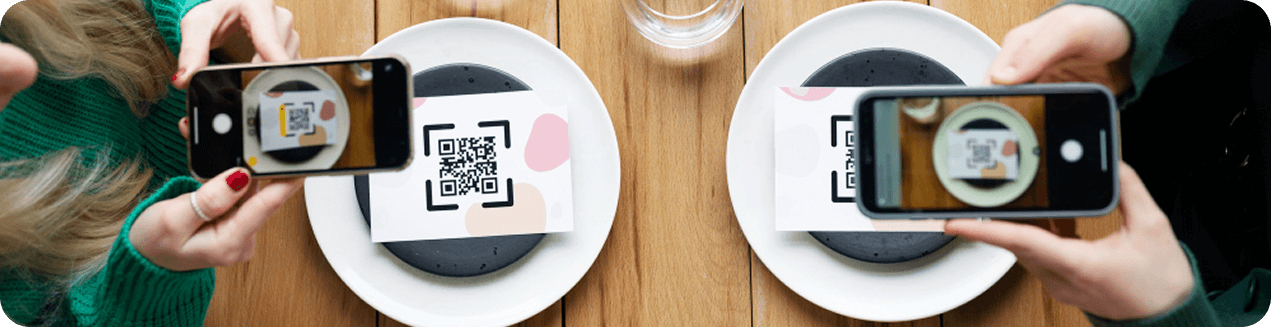
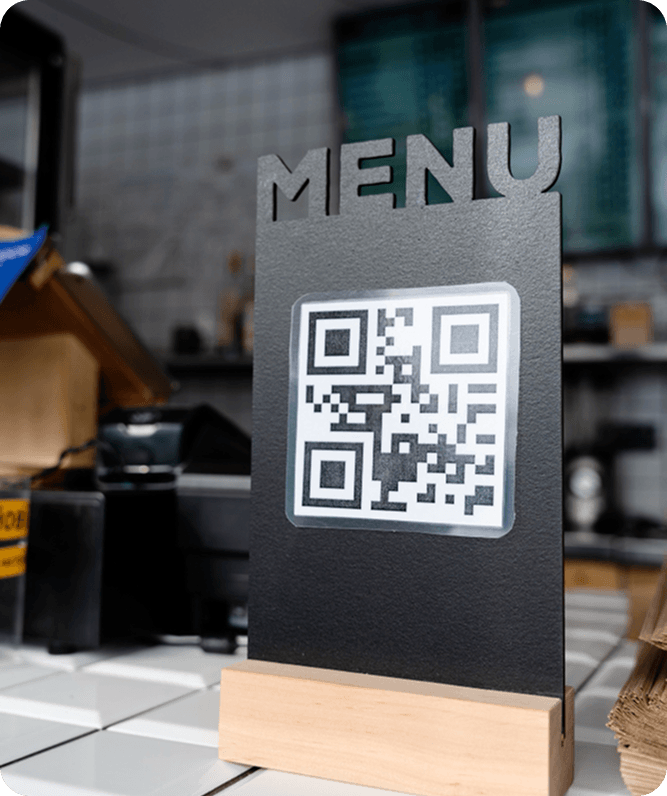
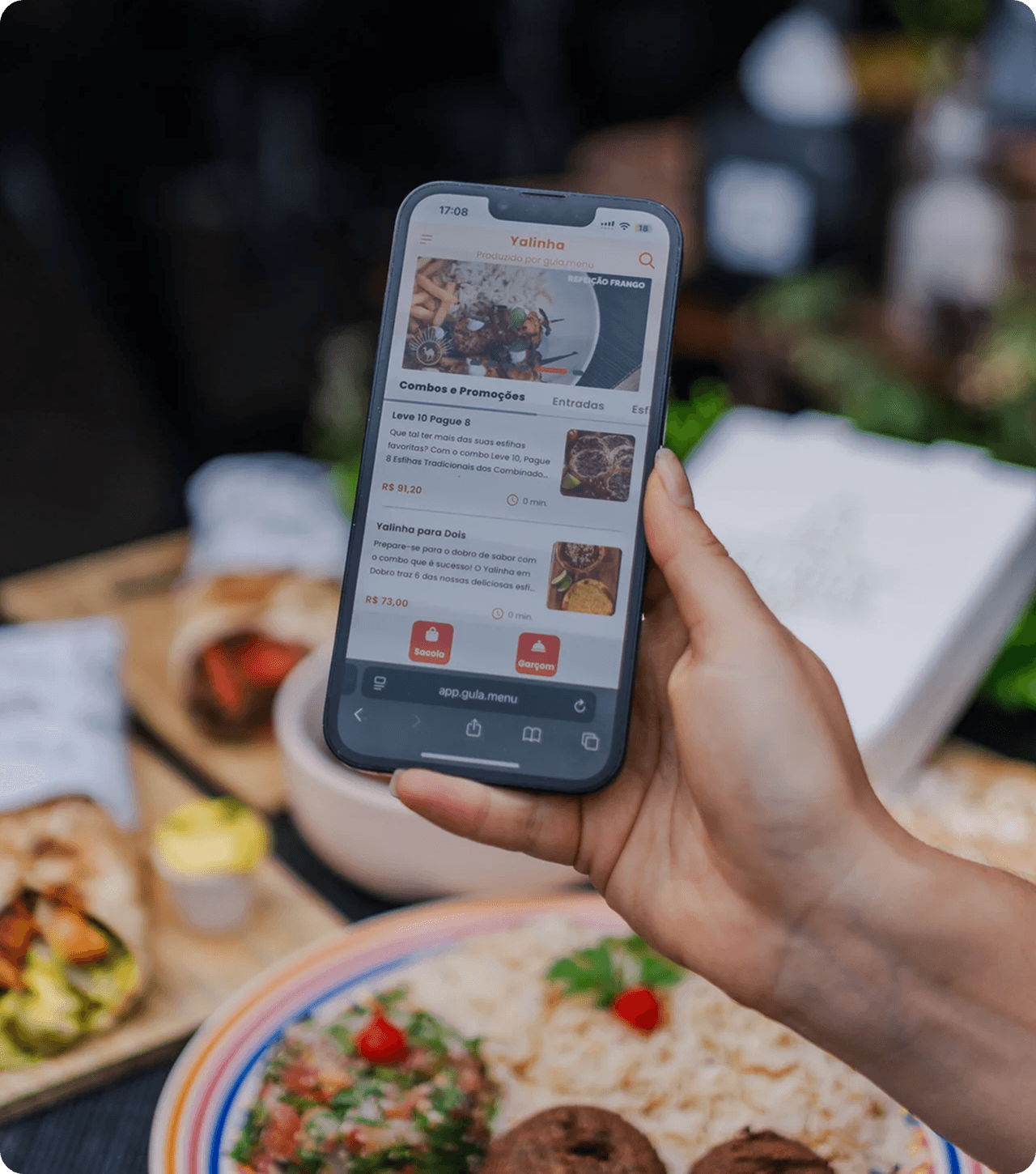
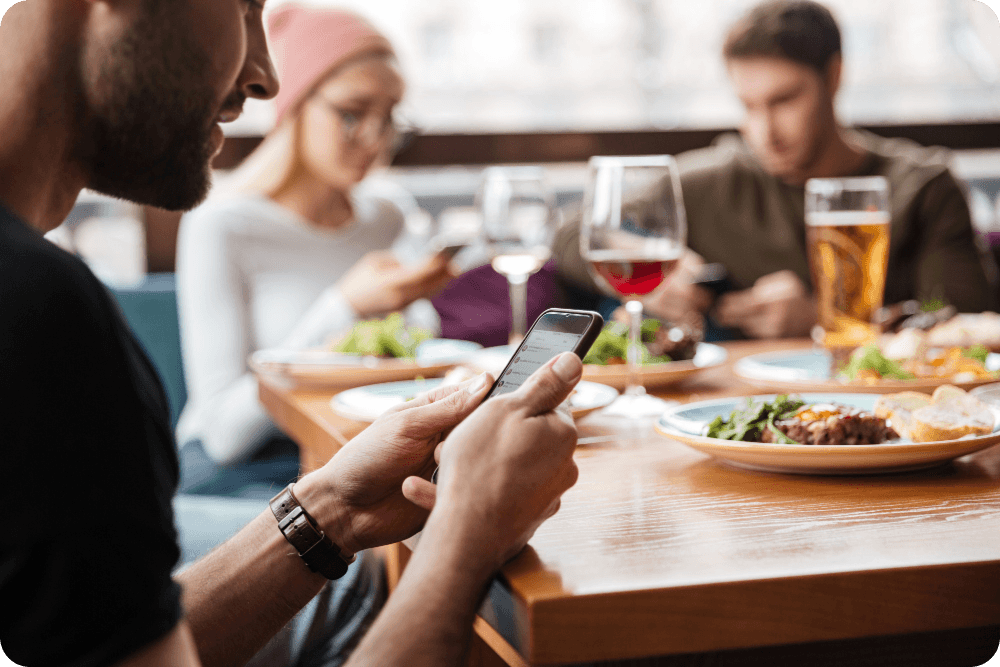
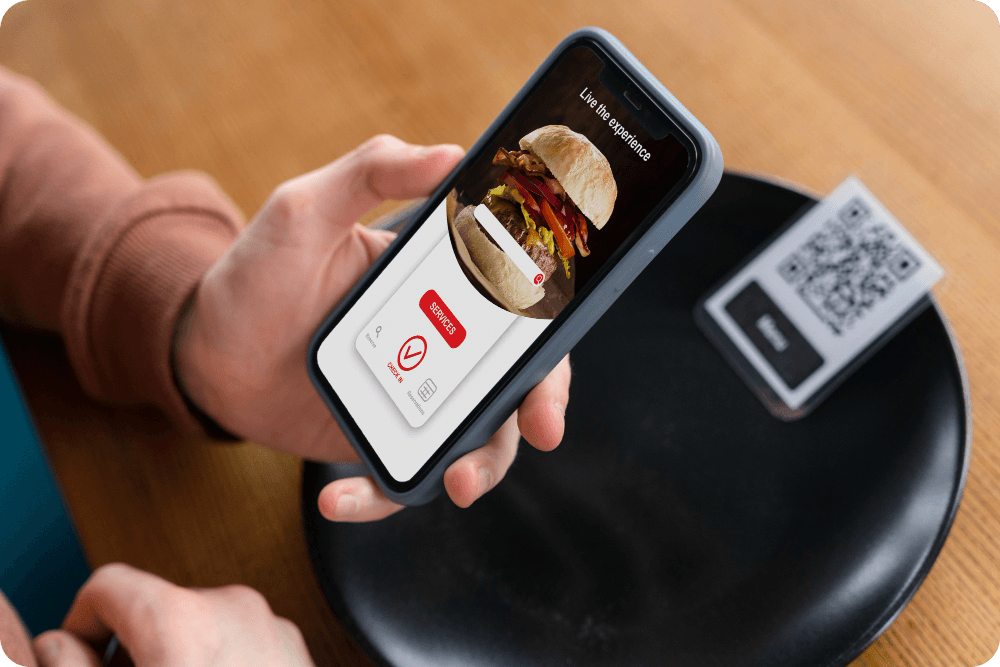
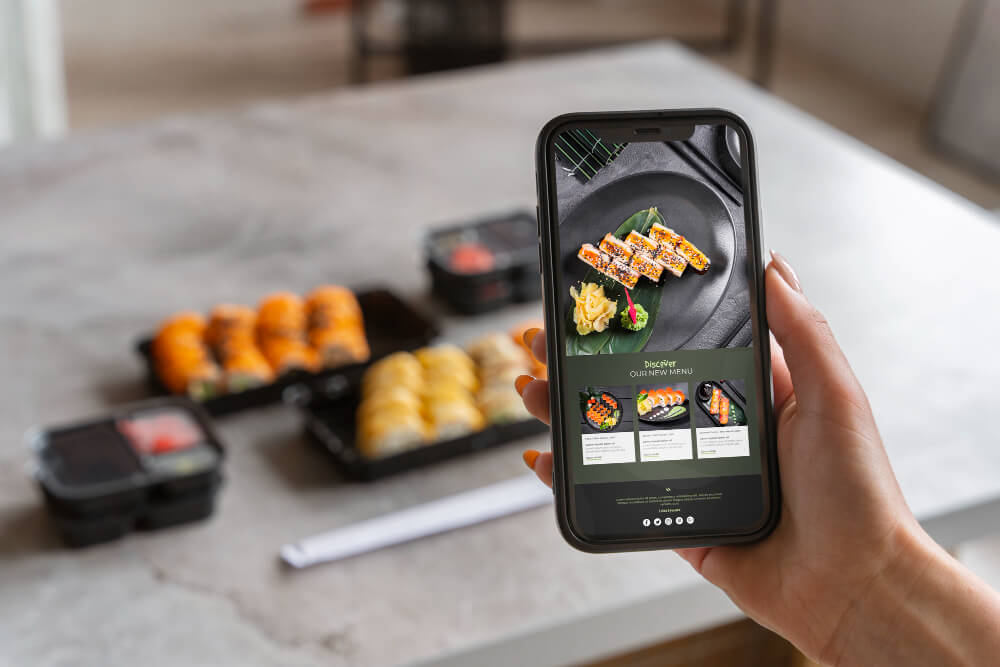
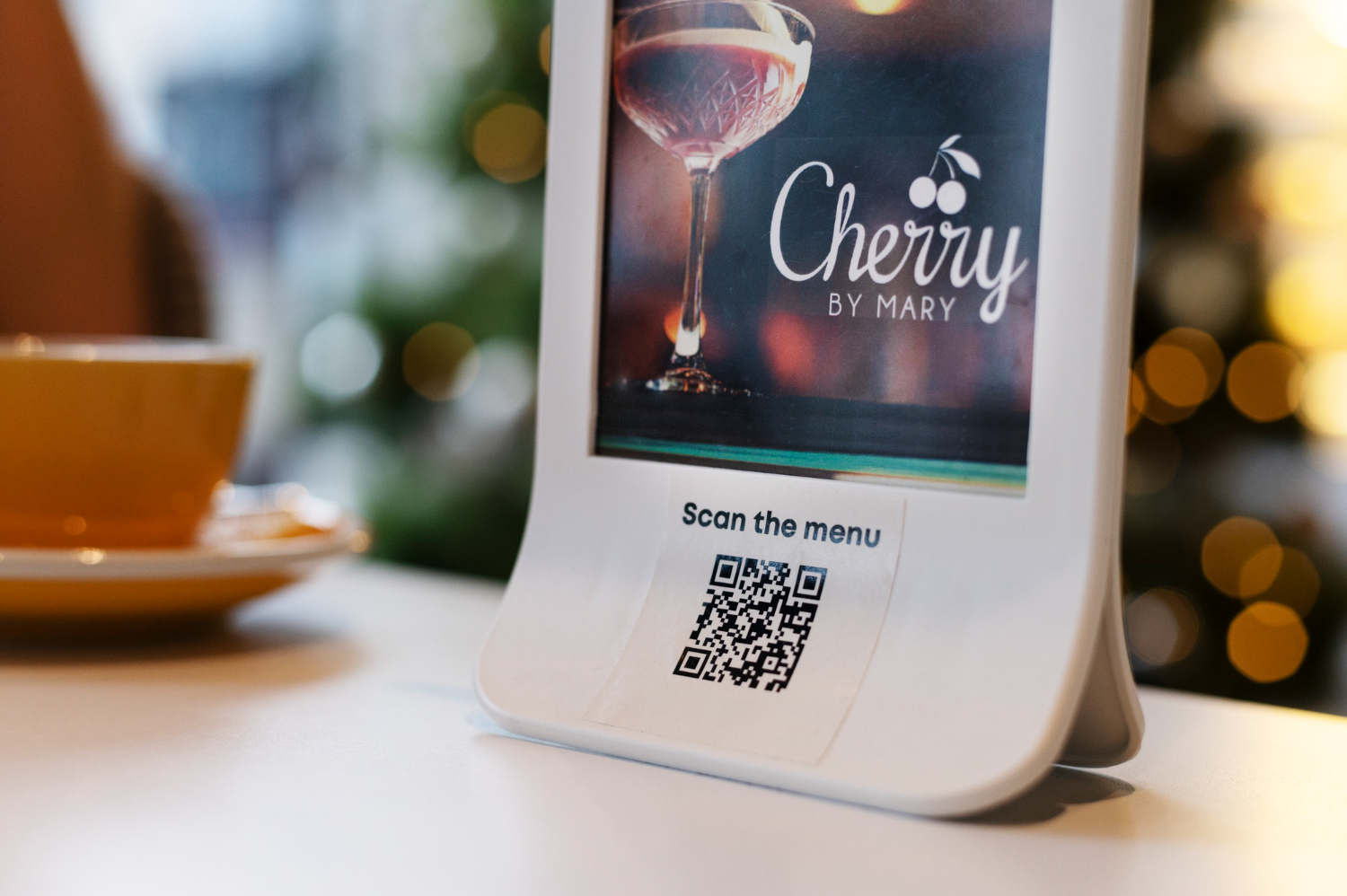
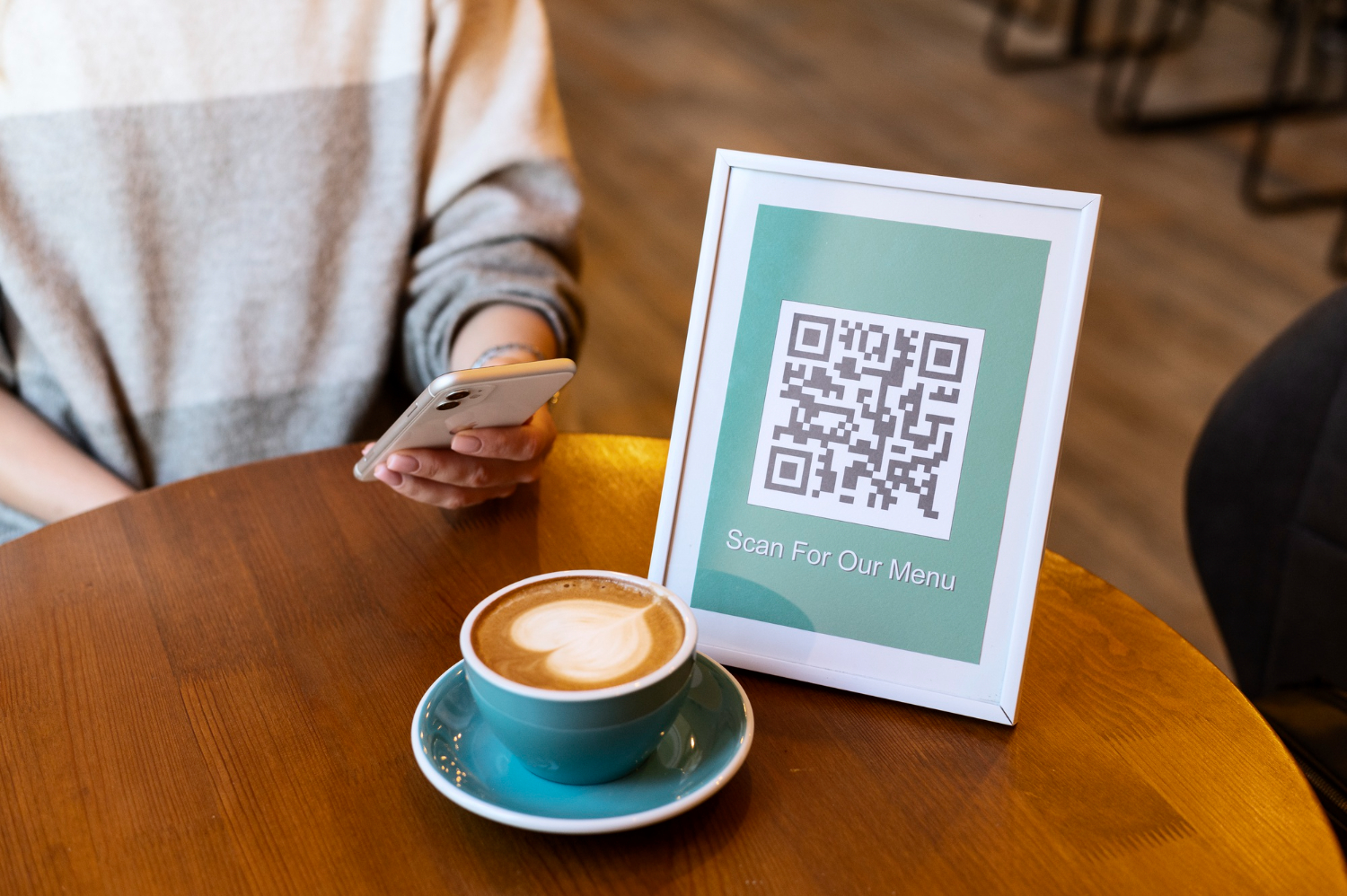
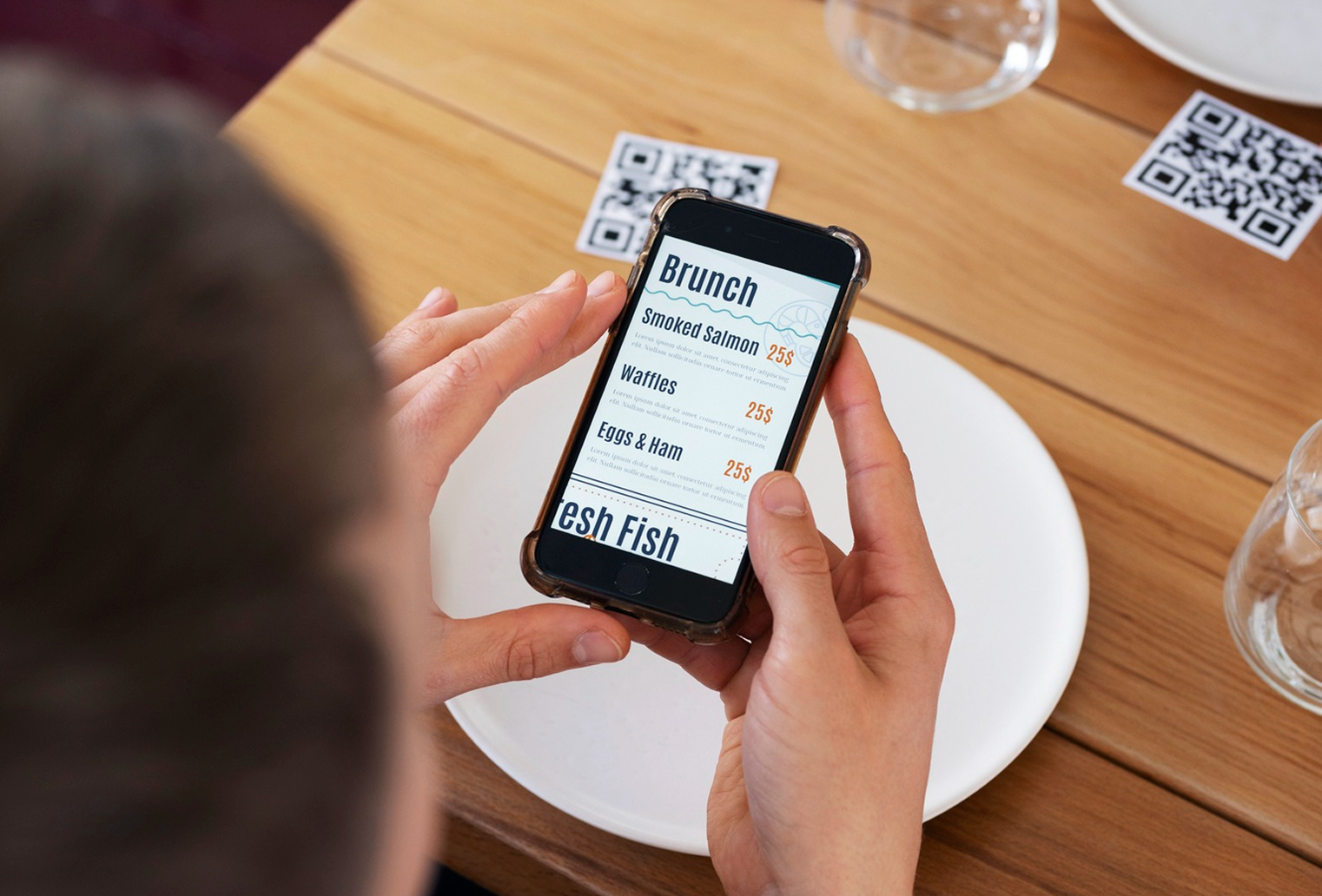
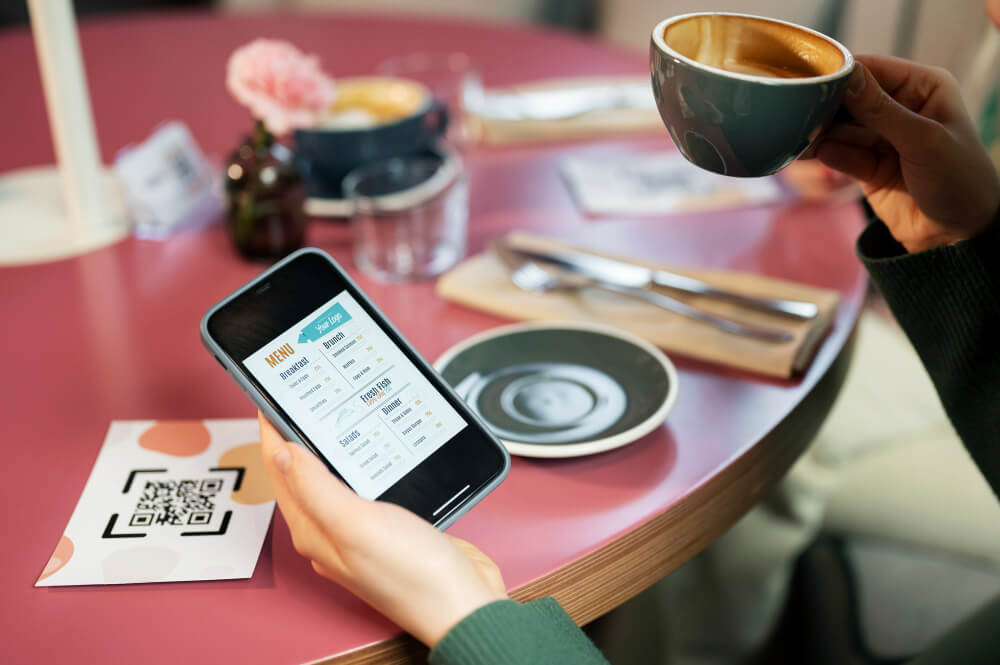
QR menus meet these expectations by allowing guests to access restaurant menus instantly through their mobile devices.
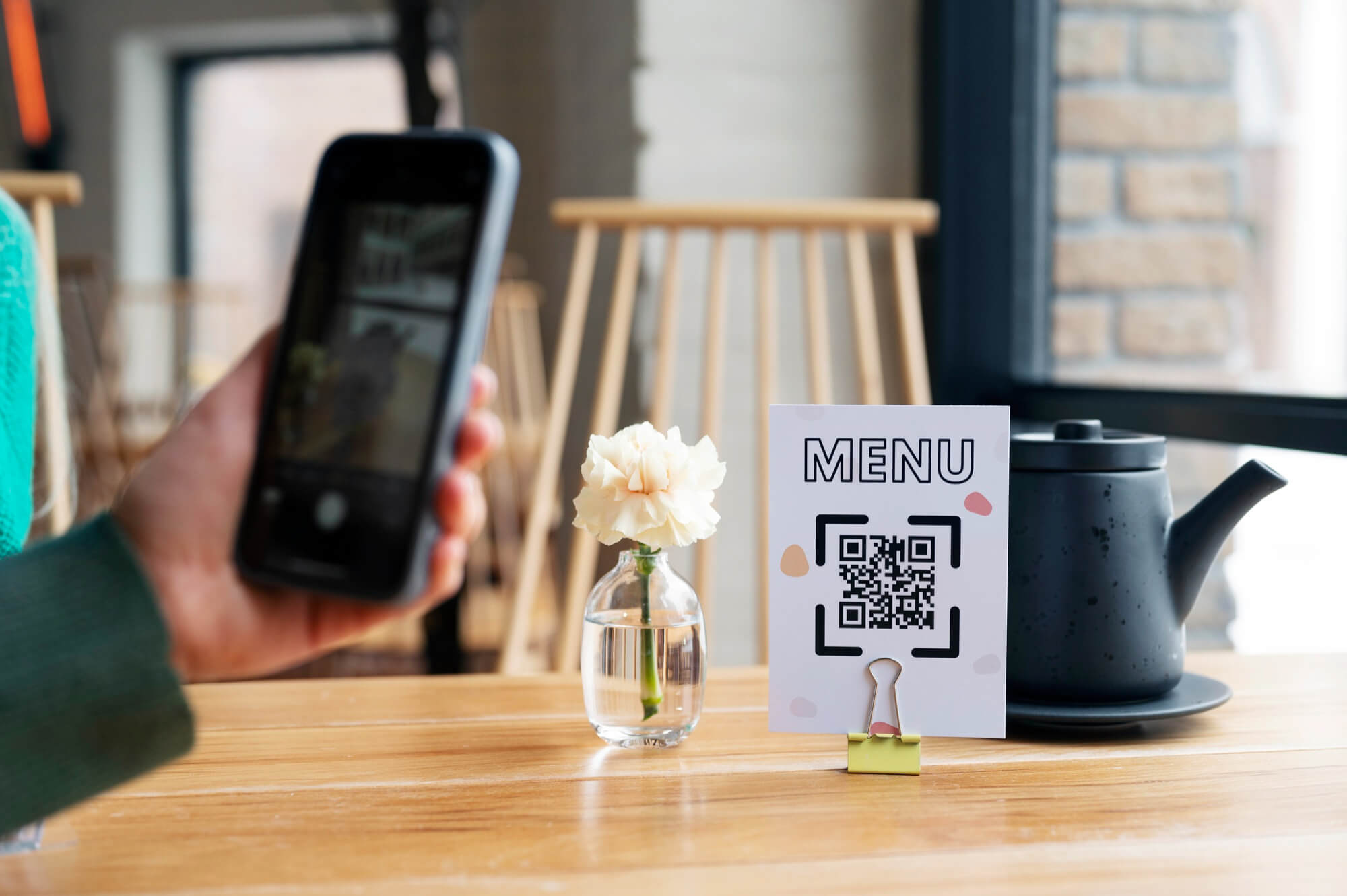
Example: A customer visiting a café in London, a restaurant in New York, or a hotel in Dubai can simply scan a QR code and browse the menu within seconds.
This creates a familiar digital experience regardless of location.
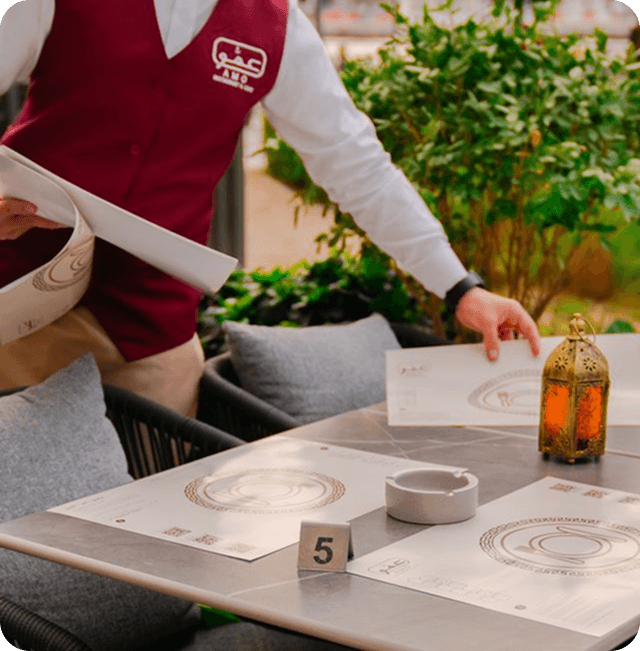
Restaurants Are Moving Away from Printed Menus
Traditional menus have served restaurants for decades, but they come with several challenges.
Restaurants frequently need to:
- Reprint menus after price changes
- Replace damaged menus
- Update seasonal offerings
- Manage multiple menu versions
These processes consume both time and money.
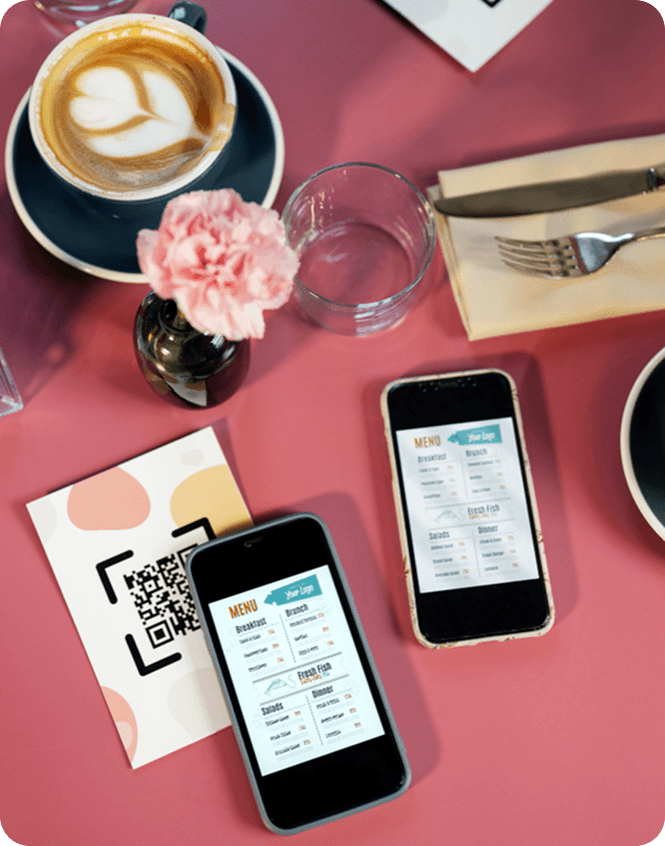
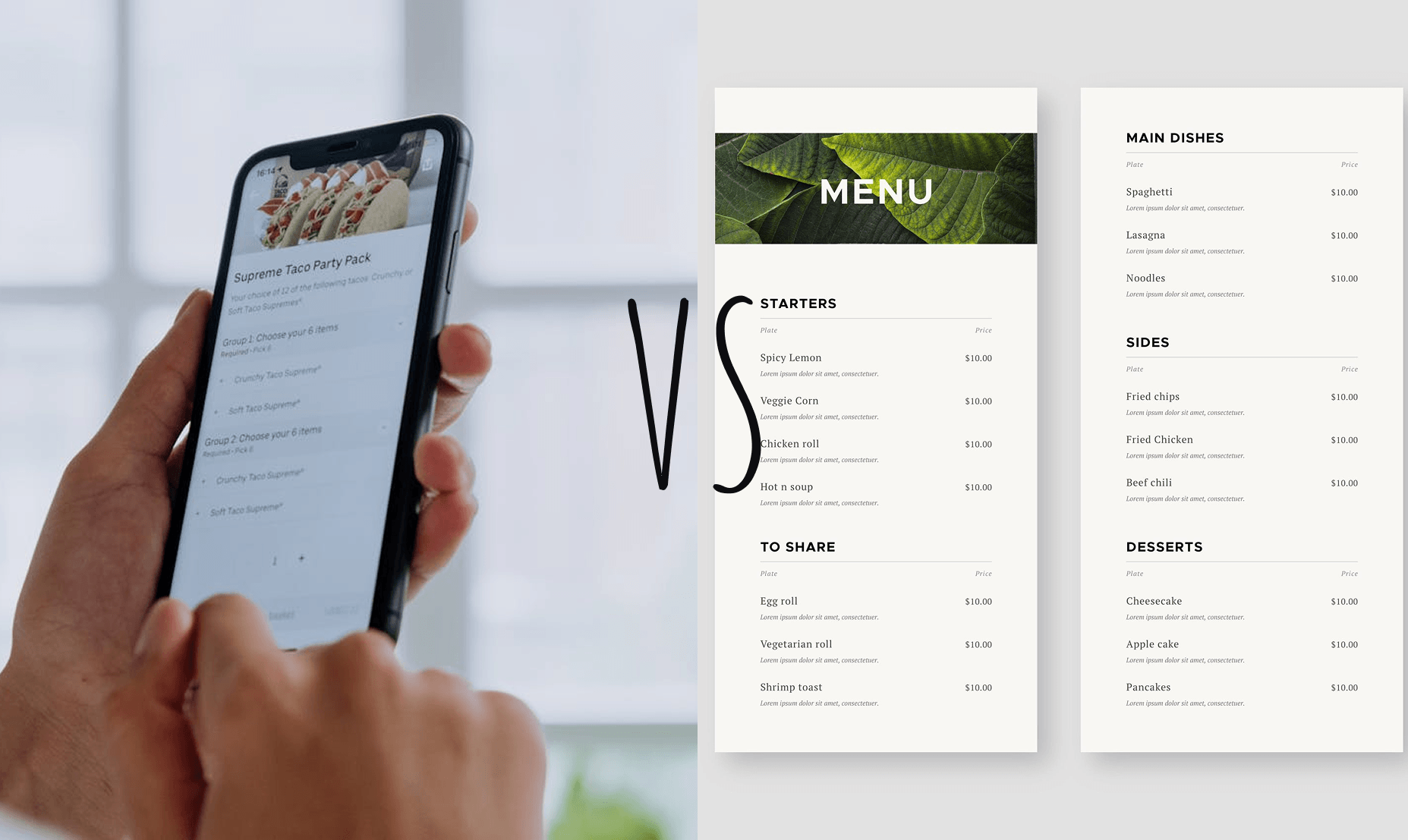
QR menus solve these problems by creating a dynamic digital menu that can be updated instantly.
Example: A restaurant introduces a new summer menu featuring:
- Seasonal cocktails
- Fresh seafood dishes
- Limited-time desserts
Instead of printing hundreds of new menus, management updates the digital menu in minutes.
Customers see the changes immediately.
Real-Time Menu Updates Improve Efficiency
One of the biggest advantages of QR menu technology is flexibility.
Restaurant owners can update:
- Prices
- Menu items
- Descriptions
- Promotions
- Availability
Example: A restaurant runs out of:
- Salmon
- Cheesecake
- Signature cocktail ingredients
Instead of informing every table manually, managers simply remove the items from the QR menu.
Customers only see available options. This reduces frustration and improves operational efficiency.
Supporting Multiple Service Channels
Modern restaurants rarely rely on dine-in service alone.
Many businesses now operate through:
- Dine-in dining
- Delivery
- Pickup
- Catering
- Event services
Each service model often requires a different menu.
Platforms like ME-POS allow restaurants to create unlimited menus, making it easy to manage different customer experiences.
Example: A restaurant creates separate menus for:
Menu Type
Purpose
Purpose
Example Items
Dine-In Menu
Restaurant guests
Full dining experience
Appetizers, cocktails, desserts
Delivery Menu
Online customers
Transport-friendly meals
Family bundles, meal deals
Pickup Menu
Takeaway customers
Quick ordering
Lunch specials, combo meals
Event Menu
Private functions
Customized service
Catering packages, banquet meals
This level of flexibility is difficult to achieve with traditional menus.
QR Menus Are Reducing Operational Costs
Cost reduction is one of the main reasons restaurants adopt QR technology.
Printed menus create ongoing expenses such as:
- Design updates
- Printing
- Replacements
- Distribution
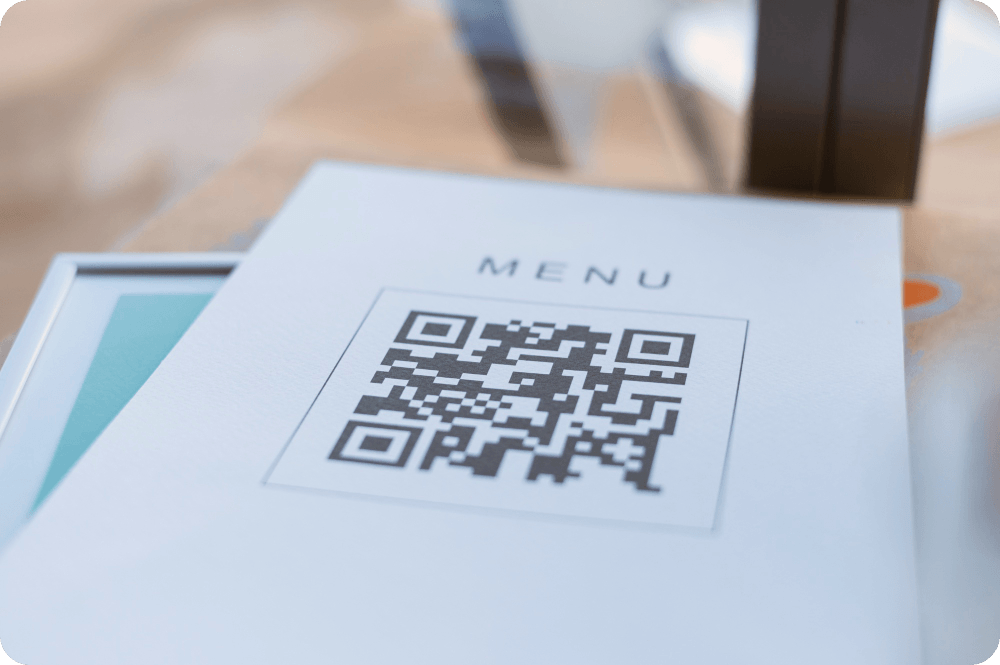
QR menus dramatically reduce these costs.
Example: A restaurant that updates prices quarterly may need to print hundreds of new menus each year.
With a QR menu system:
- Prices are updated digitally
- QR codes remain unchanged
- No reprinting is required
The savings become significant over time.
Faster Service and Better Table Turnover
Speed is critical in the restaurant industry.
QR menus help customers access information immediately, reducing waiting times.
Traditional Process
- Guests are seated
- Staff deliver menus
- Guests begin browsing
QR Menu Process
- Guests are seated
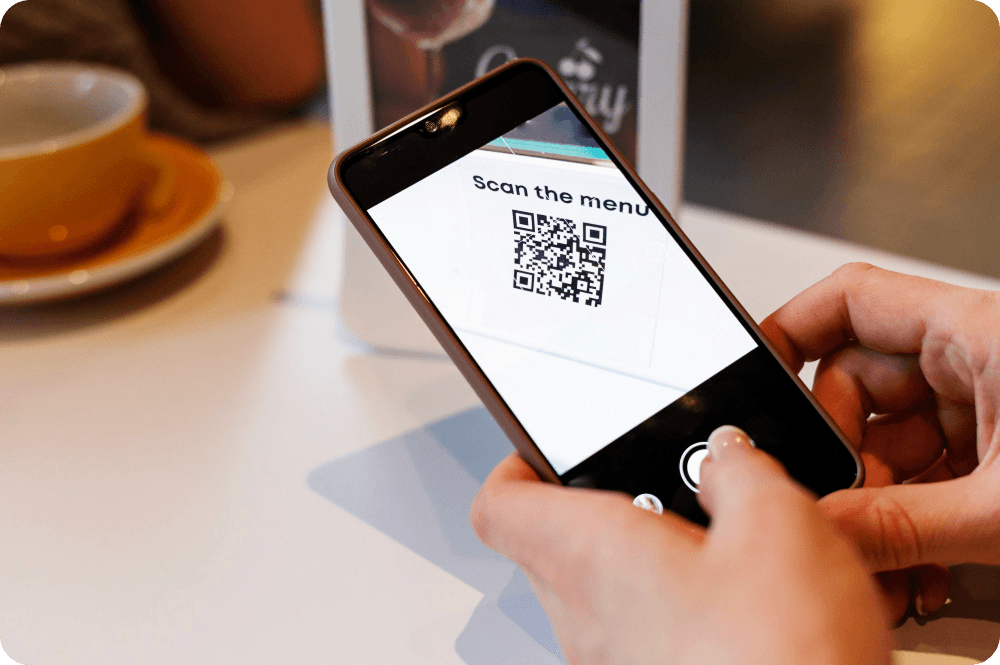
- Guests scan the QR code
- Menu opens instantly
This saves valuable time during busy periods.
Example: A busy restaurant serving 300 guests per day can reduce delays by allowing customers to begin reviewing the menu immediately after sitting down.
Faster decisions often lead to faster ordering and improved table turnover.
Enhancing the Customer Experience
Modern diners expect more than just a list of dishes and prices.
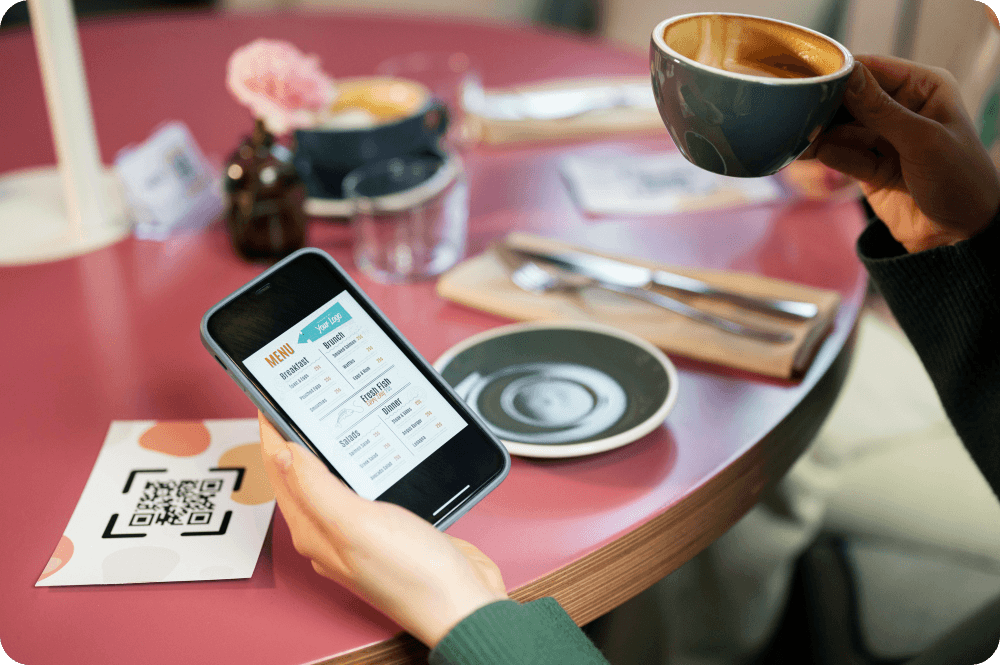
QR menus provide a richer experience through:
- Photos
- Detailed descriptions
- Ingredient information
- Allergen details
- Dietary labels
Example: A guest considering a pasta dish can instantly see:
- Ingredients
- Portion size
- Preparation notes
- Recommended wine pairing
This improves confidence and helps customers make informed decisions.
Multilingual Menus for International Audiences
Global tourism continues to grow, and restaurants increasingly serve guests from different countries.
QR menu technology makes multilingual support simple.
Example: A restaurant can offer menus in:
- English
- Ukrainian
- German
- French
- Spanish
- Polish
Customers select their preferred language without requiring separate printed menus.
This improves accessibility and enhances guest satisfaction.
QR Menus Help Restaurants Increase Sales
Beyond operational benefits, QR menus are becoming powerful marketing tools.
Restaurants can strategically promote:
- Signature dishes
- High-margin beverages
- Limited-time offers
- Combo meals
- Upsell opportunities
Example: A customer viewing a burger may see:
- "Add fries for $3"
- "Upgrade to a premium burger"
- "Recommended craft beer pairing"
These suggestions encourage larger orders and higher average checks.
Supporting Contactless and Mobile-First Dining
Consumers increasingly prefer contactless interactions.
QR menus align perfectly with this trend by allowing customers to:
- Access menus digitally
- Avoid shared printed materials
- Browse independently
Example: In a busy airport restaurant, travelers can instantly access the menu from their smartphones without waiting for staff.
This convenience improves the overall customer experience.

Permanent QR Codes Simplify Restaurant Operations
One of the most practical innovations offered by ME-POS is the use of permanent QR codes.
Restaurants can maintain separate QR codes for:
- Dine-in service
- Delivery service
- Pickup service
The QR codes remain unchanged even when the menus behind them are updated.
Example: A restaurant updates:
- Seasonal dishes
- Prices
- Promotions
Table stickers, posters, flyers, and packaging continue to work exactly as before.
Sustainability and Environmental Benefits
Restaurants worldwide are also adopting QR menus as part of their sustainability initiatives.
Digital menus help reduce:
- Paper waste
- Printing materials
- Menu disposal
Example: A restaurant chain with multiple locations may eliminate thousands of printed menus annually by switching to digital alternatives.
This supports environmentally responsible business practices while reducing costs.

Global Adoption Across Different Restaurant Types
QR menu technology is no longer limited to large restaurant chains.
Businesses of all sizes are embracing digital menu solutions.
Examples
- Fine Dining Restaurants: Use QR menus for wine lists, tasting menus, and seasonal offerings.
- Cafés: Provide quick access to beverages, pastries, and loyalty promotions.
- Bars: Promote cocktails, happy hour specials, and drink pairings.
- Hotels: Offer room service menus, restaurant menus, and poolside dining options.
- Quick-Service Restaurants: Speed up ordering and reduce customer wait times.
The flexibility of QR menus makes them valuable across nearly every segment of the hospitality industry.
QR Menu Technology and the Future of Restaurants
As restaurant technology continues to evolve, QR menus are becoming part of larger digital ecosystems.
Future integrations may include:
- POS systems
- Loyalty programs
- Customer relationship management tools
- Mobile ordering
- Personalized recommendations
- Analytics and reporting
Restaurants that adopt QR menu technology today are positioning themselves for continued innovation in the years ahead.
Start Your Me-Pos
Experience for Free!
Make sure that Me-Pos Online Booking meets your needs and requirements before making a final decision.
Use for Free
QR Menu vs Traditional Menu: Industry Impact
Area
Traditional Menus
QR Menu Technology
Industry Benefit
Updates
Reprinting required
Instant changes
Greater flexibility
Costs
Ongoing printing expenses
Minimal maintenance costs
Higher profitability
Customer Access
Physical menus only
Mobile access anywhere
Improved convenience
Language Support
Multiple printed versions
Instant language switching
Better guest experience
Marketing
Static content
Dynamic promotions
Increased sales opportunities
Scalability
Limited flexibility
Unlimited menu creation
Easier growth
Conclusion
QR menu technology is fundamentally changing the restaurant industry worldwide. What began as a digital alternative to printed menus has become a powerful tool for improving efficiency, reducing costs, increasing sales, and enhancing customer experiences.
From real-time updates and multilingual support to unlimited menu creation and permanent QR codes, platforms like ME-POS are helping restaurants adapt to the demands of a digital-first world.
As consumer expectations continue to evolve, QR menus are no longer just a trend—they are becoming a core component of modern restaurant operations across the globe.
Restaurants that embrace QR technology today are building more flexible, efficient, and customer-focused businesses for the future.
Frequently Asked Questions about QR Menu Technology in the Restaurant Industry Worldwide
They reduce costs, simplify menu updates, improve customer convenience, and support modern digital dining experiences.
Yes. They enable upselling, promote special offers, and improve visibility for high-margin items.
Absolutely. Businesses of all sizes benefit from lower printing costs and easier menu management.
They can offer multiple languages within a single digital menu, improving accessibility for tourists and international guests.
Restaurants can update menu content anytime without replacing QR codes on tables, packaging, marketing materials, or signage.
Me-Pos Team
Last modified 22.06.2026
Was This Article Helpful?
Click on a star to rate it!
Thank you for your vote!

Average Rating: 5/5 Votes: 1
Be the first to rate this post!
Share with Friends:





























View more
Related Articles

1794
5
The Ultimate Well Drinks List: Popular Choices for Every Bar
Running a bar? Then you need a solid well drinks list to keep things moving. These well drinks are your bread and butter—affordable, quick to make, an...
Me-Pos Team
|
11.03.2025
|
10min
421
5
Polite Appointment Reminders and Genuine Reviews: Automation Secrets
Every service business — from salons and spas to tattoo studios and clinics — faces two common challenges: missed appointments and inconsistent custom...
Me-Pos Team
|
02.03.2026
|
9min

346
5
Why More Small Businesses Are Switching to Cloud POS Systems
Small businesses today face increasing pressure to operate faster, smarter, and more efficiently. Whether it’s a beauty salon, retail shop, café, or s...
Me-Pos Team
|
20.04.2026
|
8min
144
5
How Contactless Technologies Continue to Transform Restaurants
Restaurants have changed significantly as technology becomes a bigger part of the dining experience. Customers now expect convenient ways to browse me...
Me-Pos Team
|
17.09.2026
|
10min
1453
3.8
Beauty Parlor Design Ideas: Create a Stylish and Inviting Space
Your beauty parlor is more than a place where clients come for a quick haircut or manicure. It’s a sanctuary, a haven where people go to feel refreshe...
Me-Pos Team
|
07.04.2025
|
8min
1794
5
The Ultimate Well Drinks List: Popular Choices for Every Bar
Running a bar? Then you need a solid well drinks list to keep things moving. These well drinks are your bread and butter—affordable, quick to make, an...
Me-Pos Team
|
11.03.2025
|
10min
421
5
Polite Appointment Reminders and Genuine Reviews: Automation Secrets
Every service business — from salons and spas to tattoo studios and clinics — faces two common challenges: missed appointments and inconsistent custom...
Me-Pos Team
|
02.03.2026
|
9min
346
5
Why More Small Businesses Are Switching to Cloud POS Systems
Small businesses today face increasing pressure to operate faster, smarter, and more efficiently. Whether it’s a beauty salon, retail shop, café, or s...
Me-Pos Team
|
20.04.2026
|
8min
144
5
How Contactless Technologies Continue to Transform Restaurants
Restaurants have changed significantly as technology becomes a bigger part of the dining experience. Customers now expect convenient ways to browse me...
Me-Pos Team
|
17.09.2026
|
10min
1453
3.8
Beauty Parlor Design Ideas: Create a Stylish and Inviting Space
Your beauty parlor is more than a place where clients come for a quick haircut or manicure. It’s a sanctuary, a haven where people go to feel refreshe...
Me-Pos Team
|
07.04.2025
|
8min
View more
