Why Digital Transformation Still Gives Small Businesses a Competitive Advantage
Running a small business has never been just about having a good product or providing excellent service. Today, customers also expect convenience, speed, flexible communication, and smooth digital experiences.
This is where digital transformation can make a real difference.
For a small café, salon, retail store, or service company, adopting the right technology doesn't mean spending thousands on a complicated IT infrastructure. It can mean something as practical as replacing paper records with digital data, allowing customers to book appointments online, using a QR menu, or automating repetitive administrative tasks.
The real advantage comes from using technology to make everyday business operations simpler, faster, and more consistent.
What Does Digital Transformation Mean for a Small Business?
Digital transformation means using technology to improve how a business operates, communicates with customers, manages information, and makes decisions.
It doesn't mean that every process needs to become digital overnight. In fact, the most successful approach is often gradual.
A business might start by replacing:
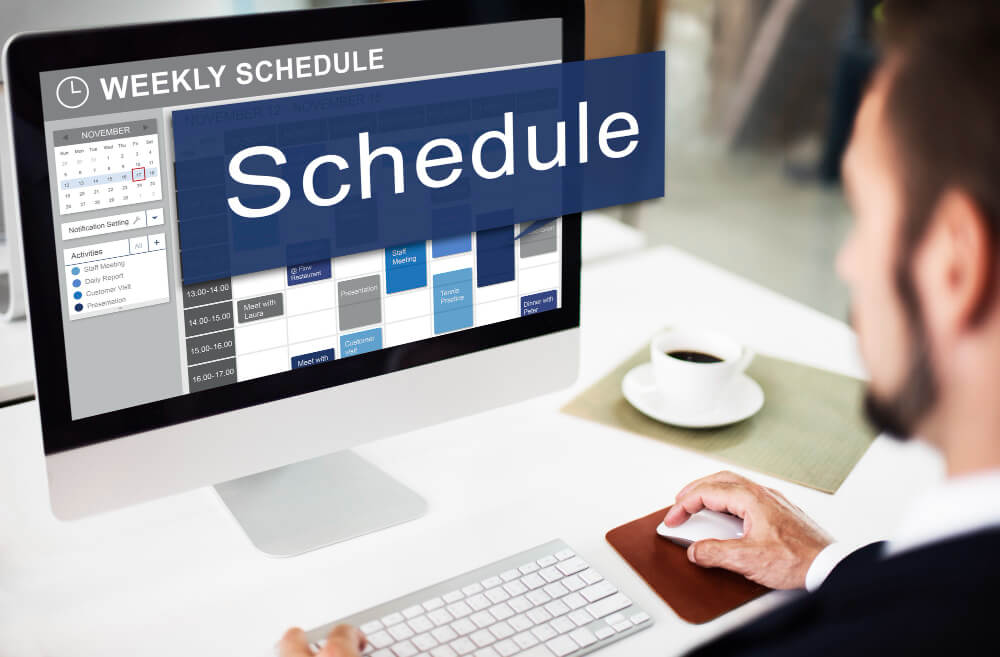
- Paper appointment books with online booking
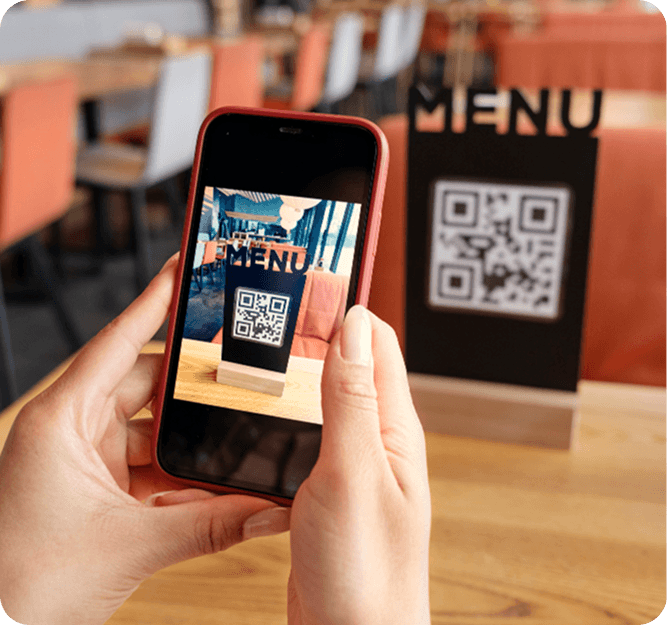
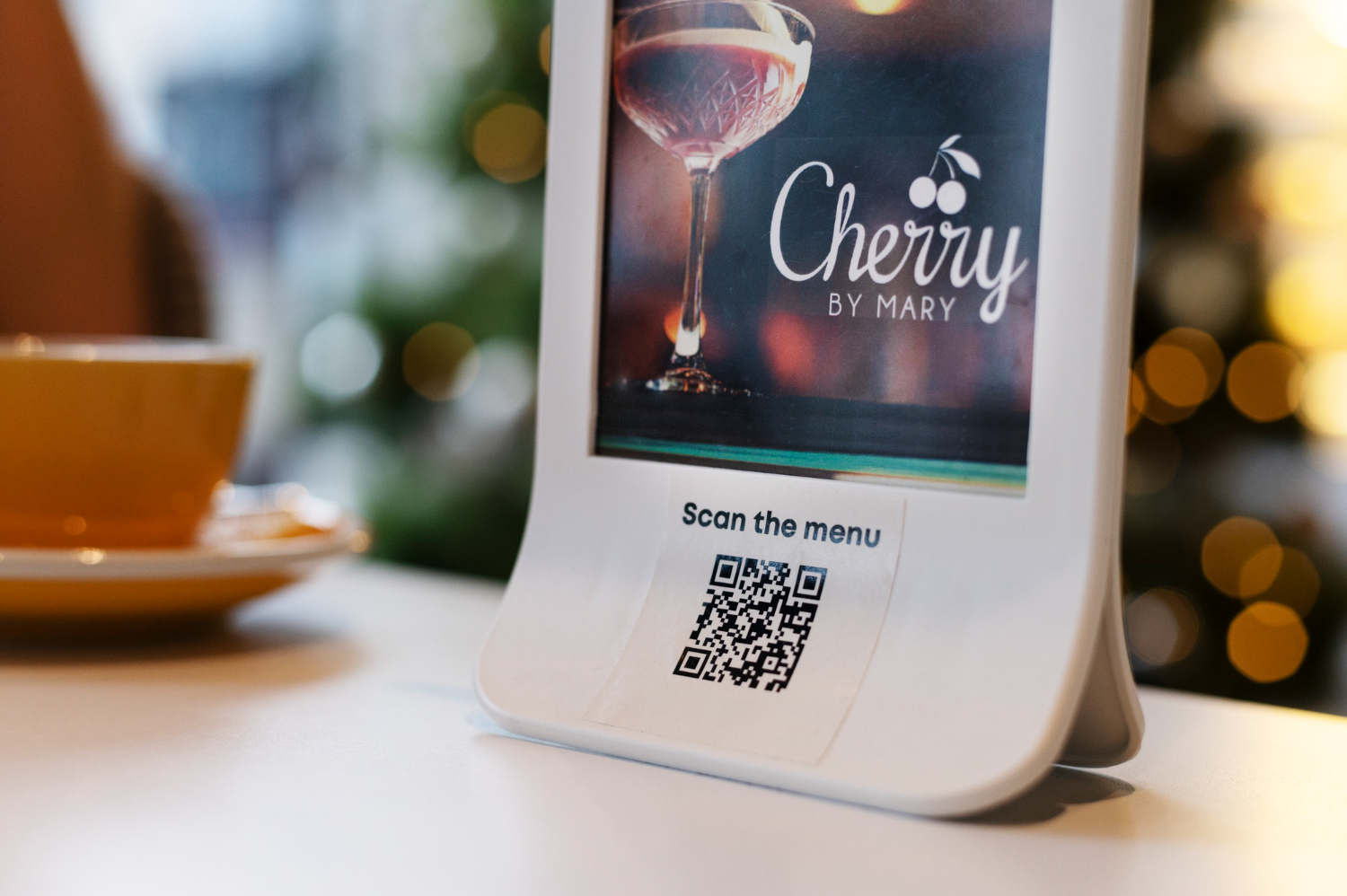
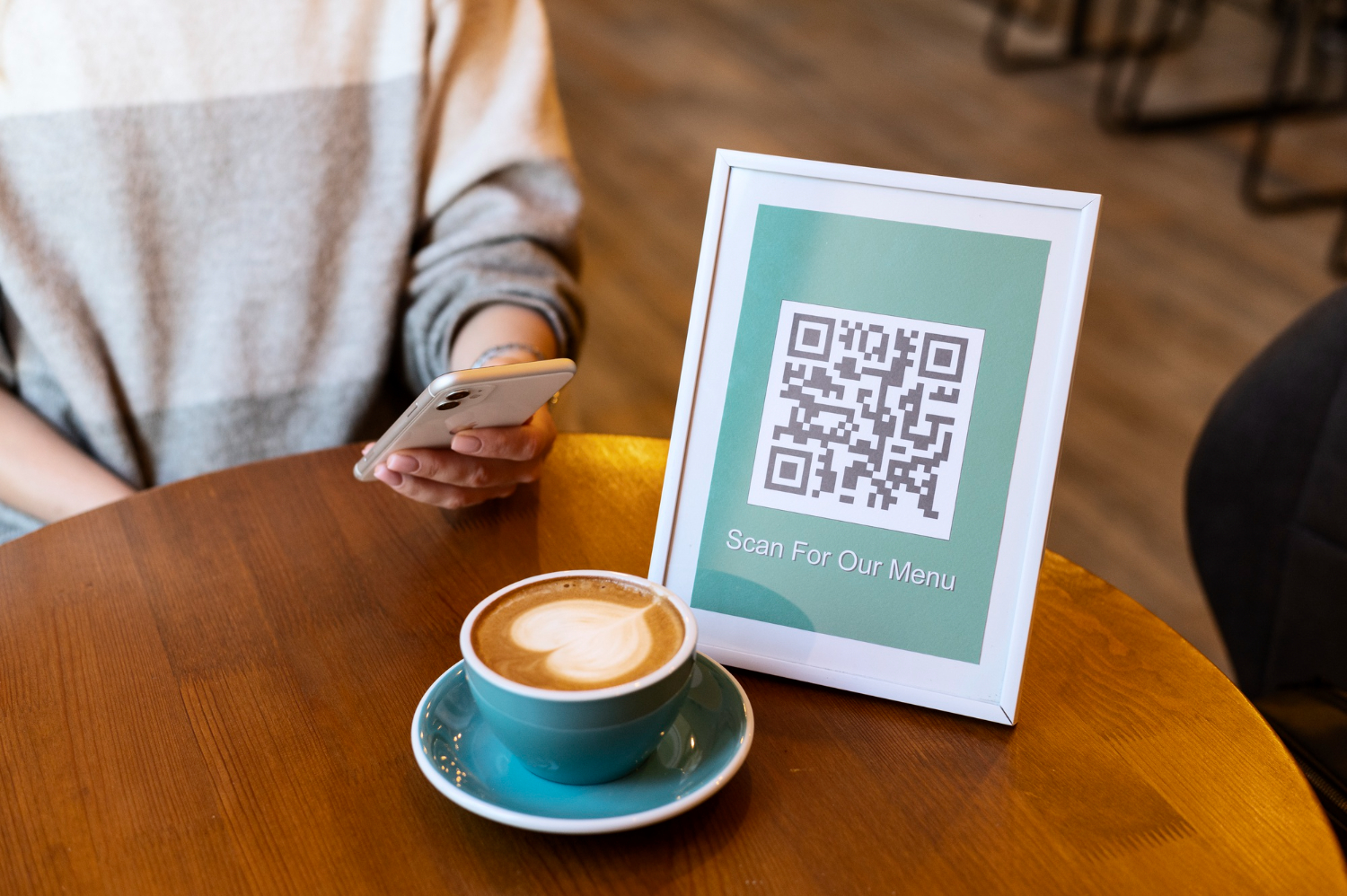
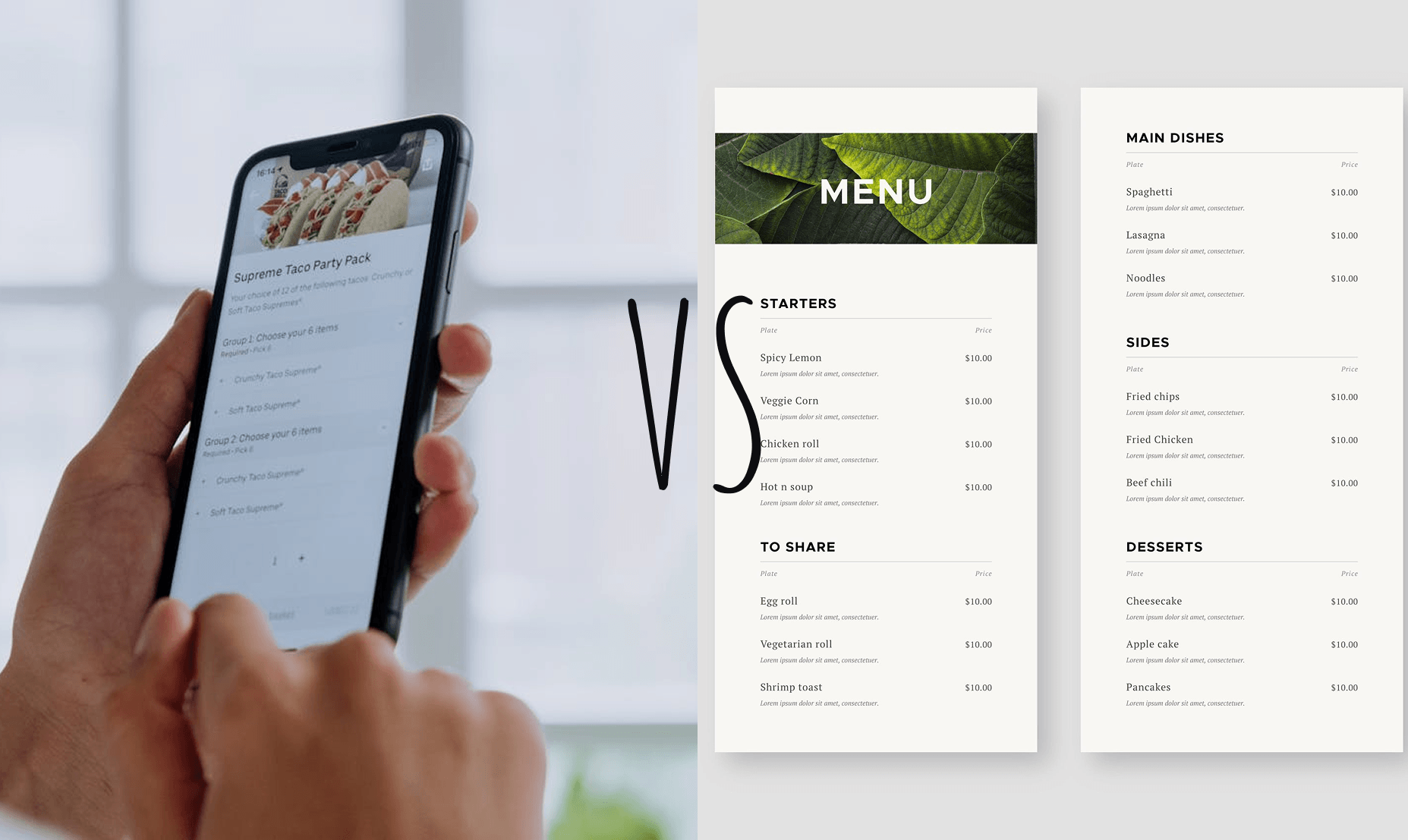
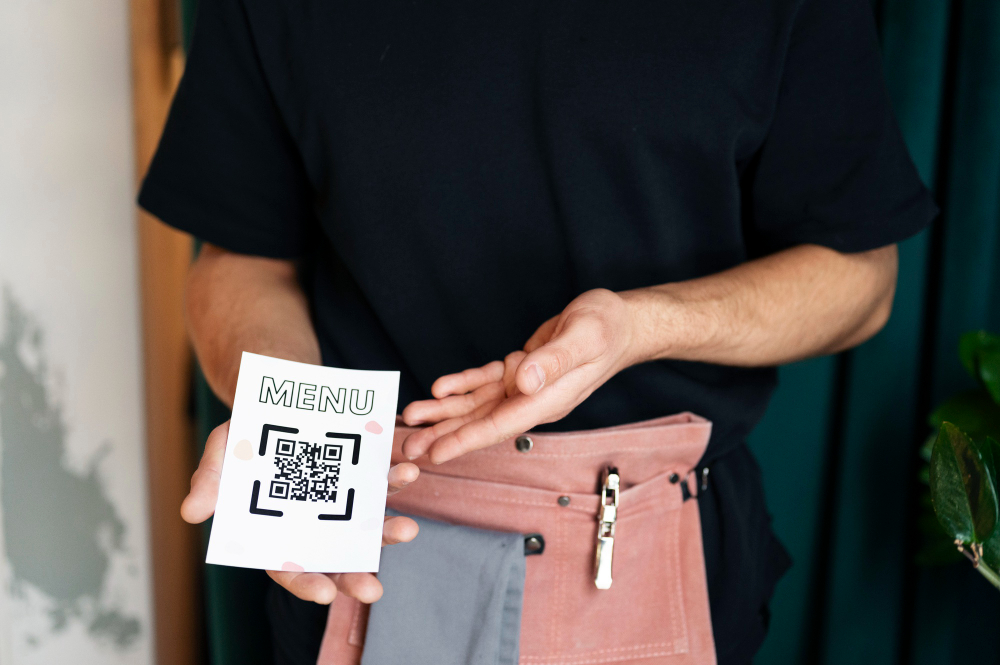
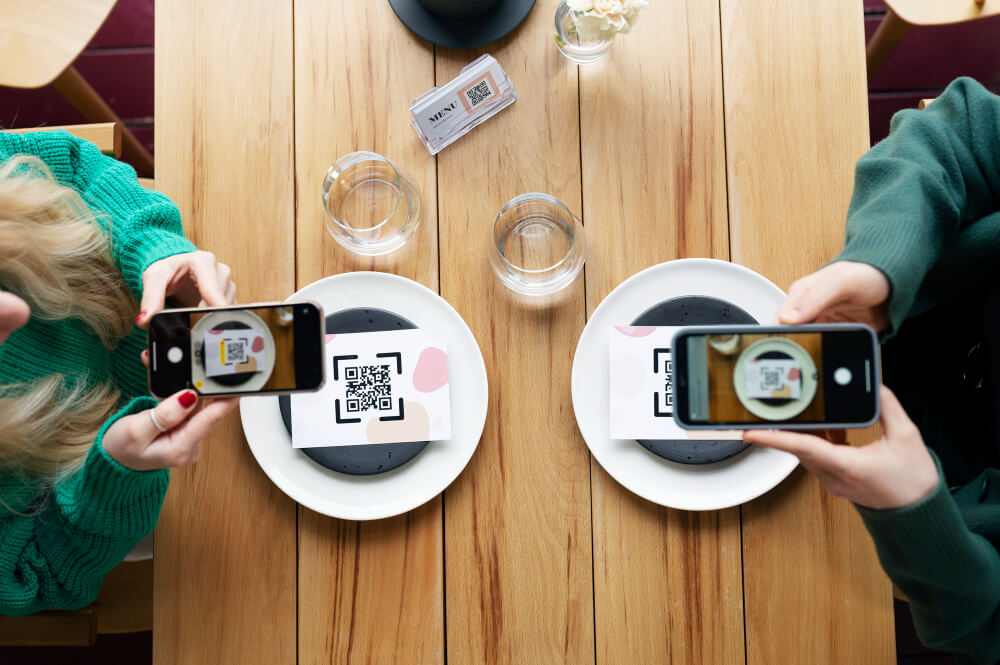
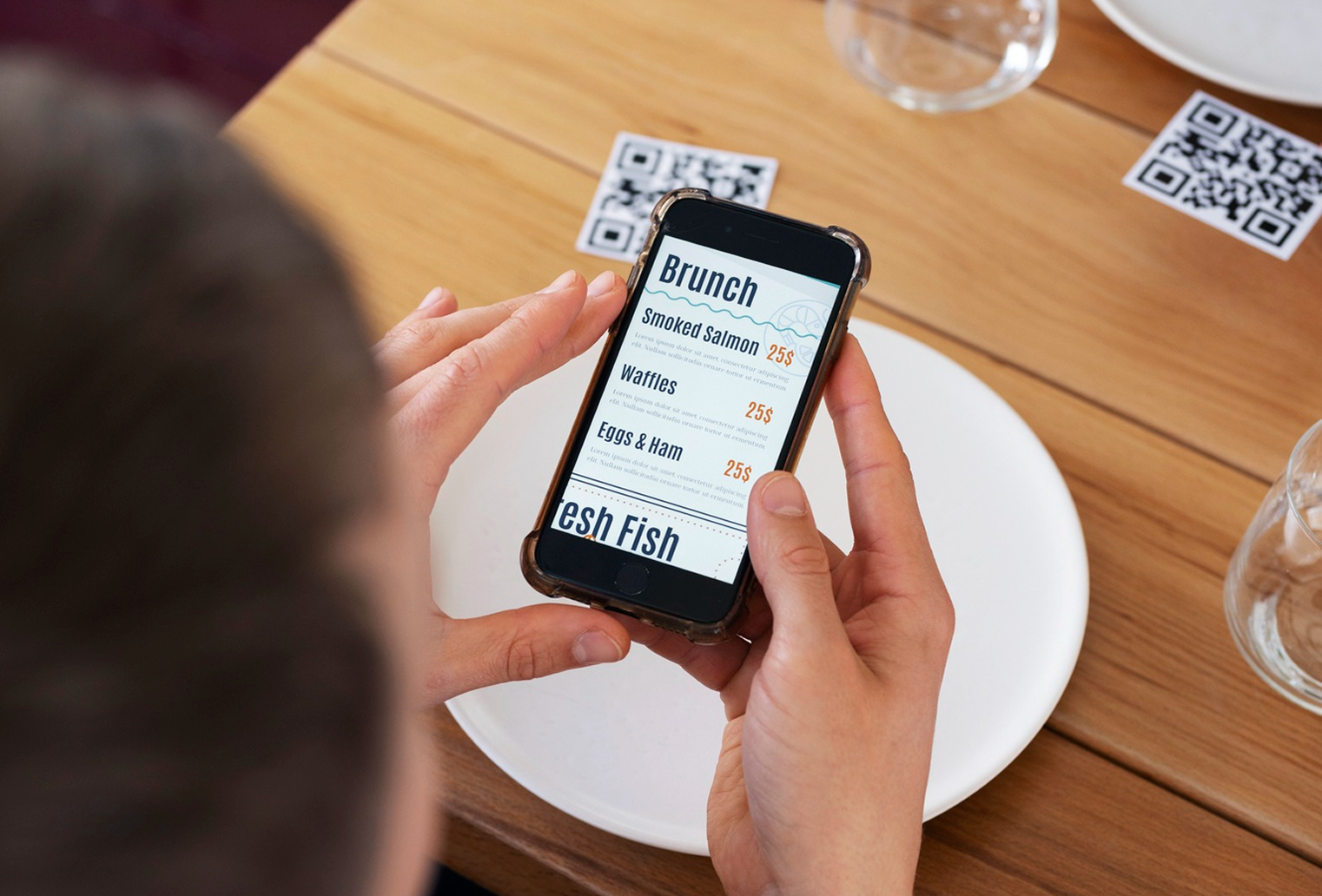
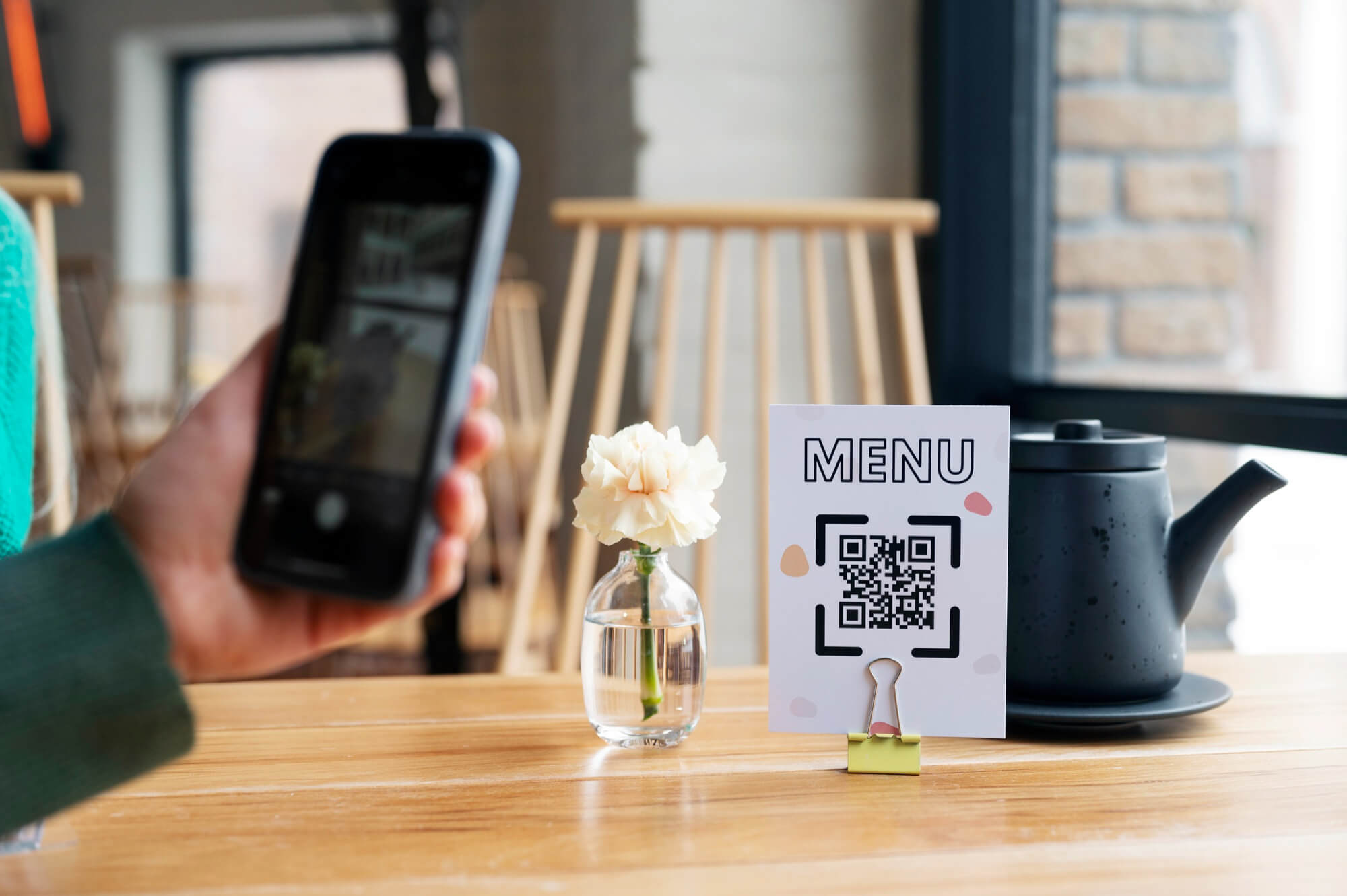
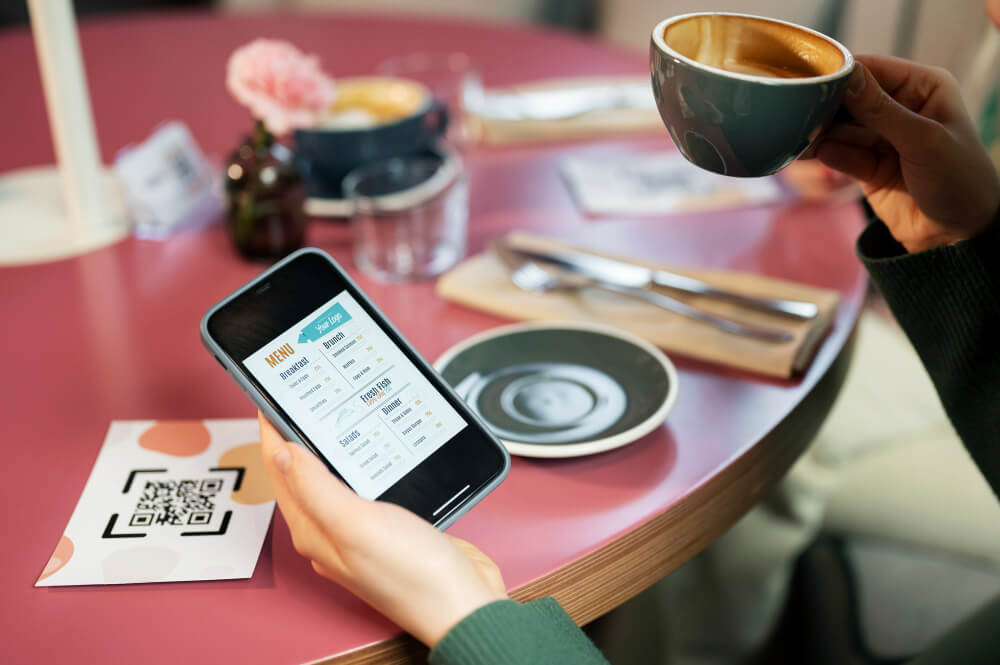
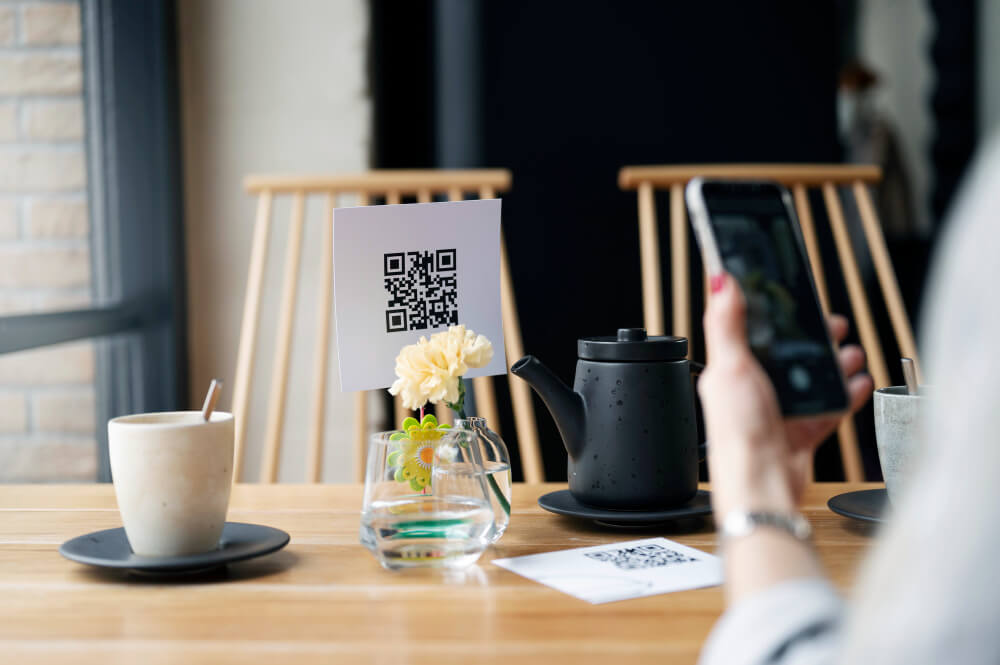
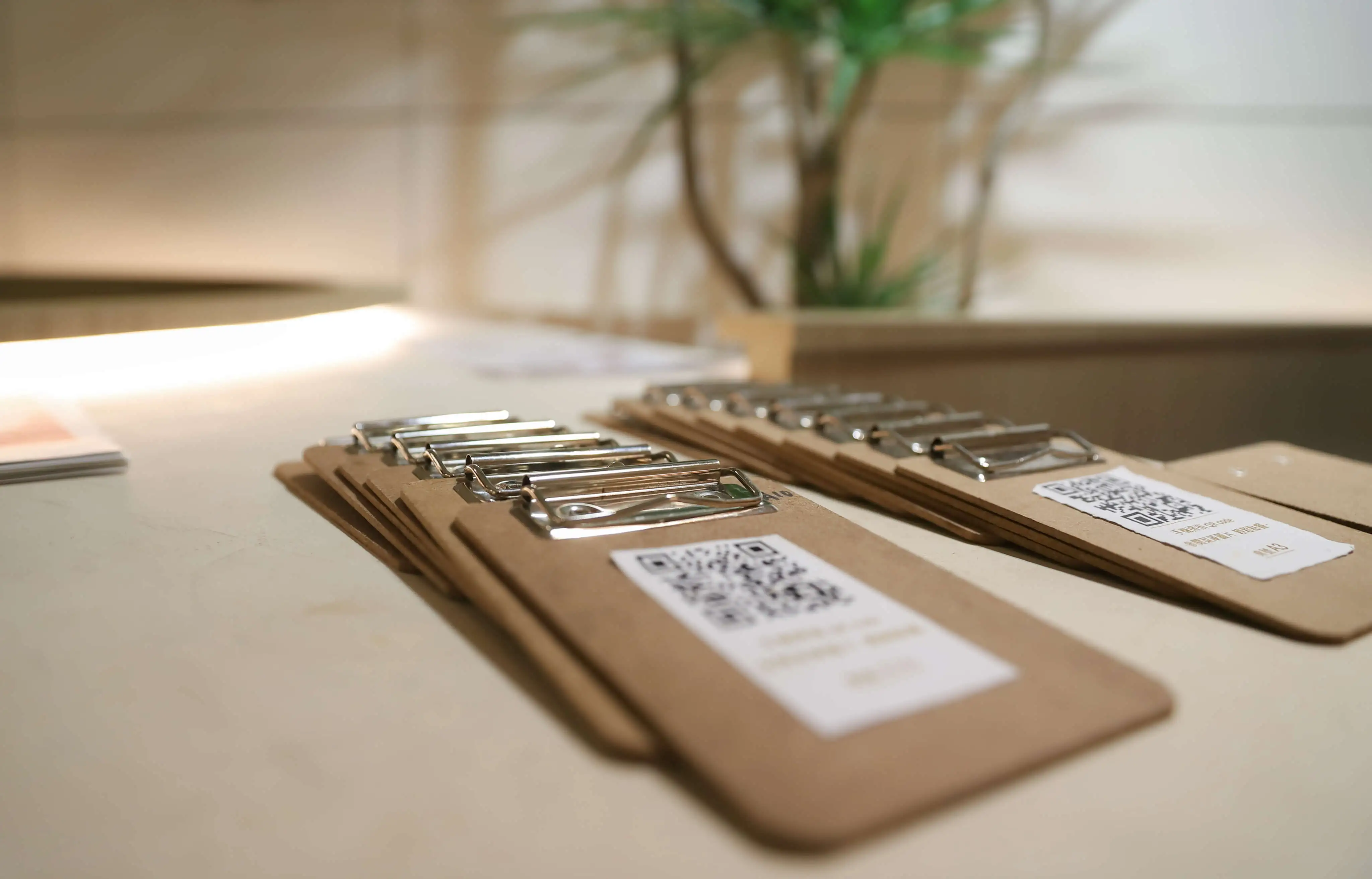
- Printed menus with QR code menus
- Manual inventory lists with digital inventory tracking
- Spreadsheet reports with automated analytics
- Phone-only communication with digital notifications
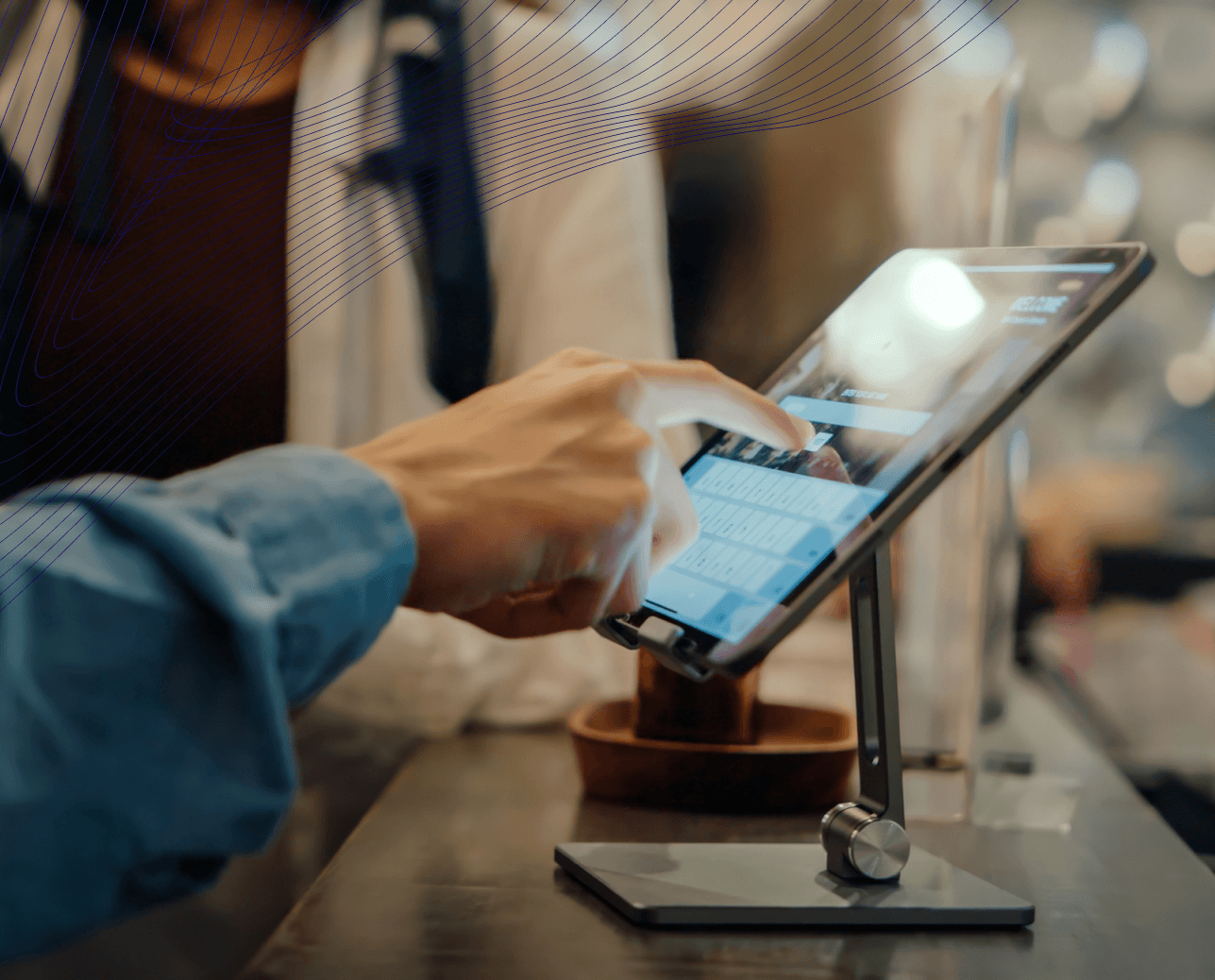
- Manual sales records with a POS system
The objective isn't to adopt technology simply because it is modern. The objective is to solve a specific problem.
Why Small Businesses Have a Digital Advantage
Large companies often have more money and employees, but small businesses have something equally valuable: flexibility.
A small business owner can identify a problem and implement a solution without going through multiple departments and lengthy approval processes.
For example, if a café notices that customers are waiting too long to see menus, the owner can introduce a QR menu and immediately observe how customers respond.
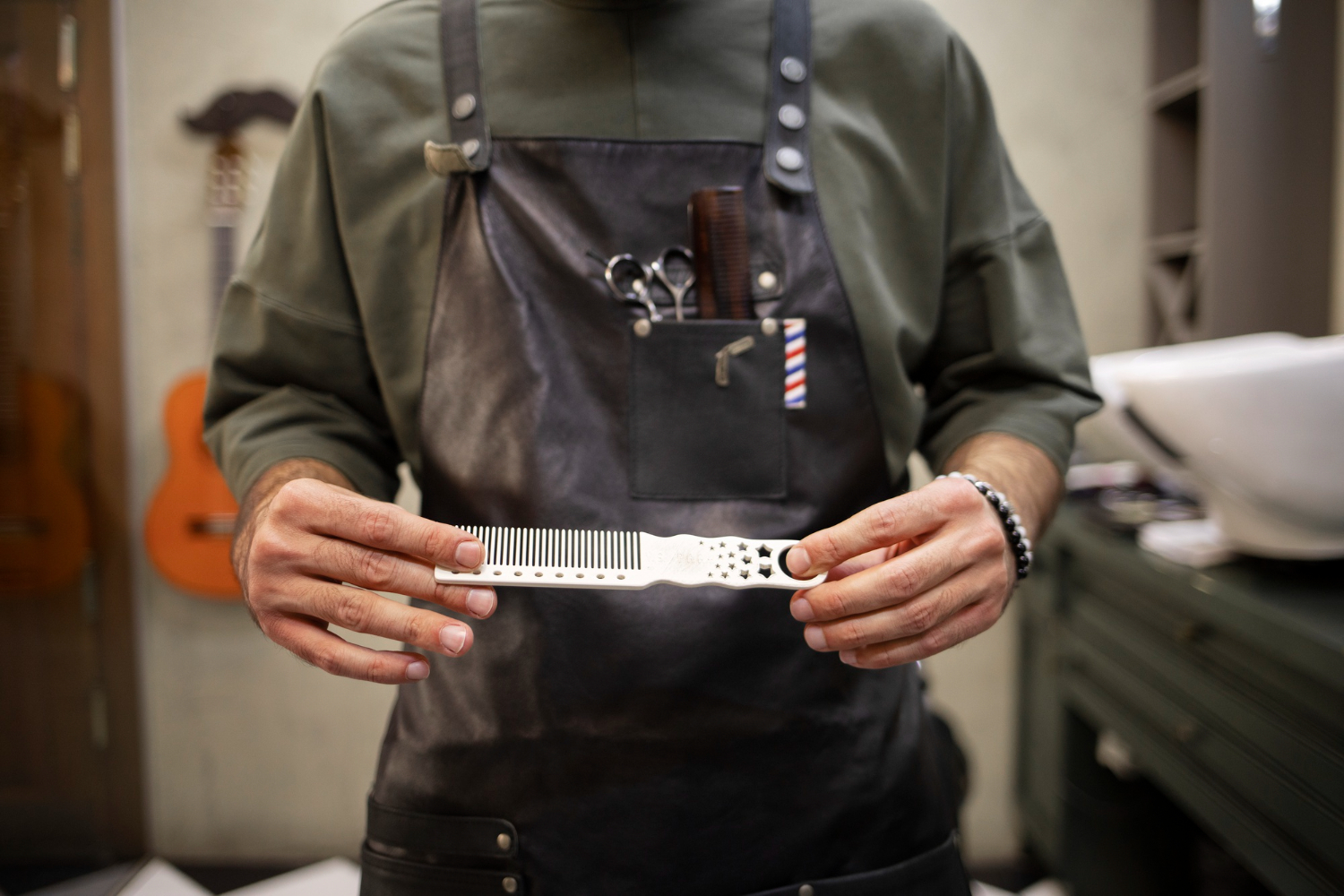
If a salon spends too much time answering appointment calls, it can introduce online booking.
Small businesses can use this flexibility to:
- Test new digital tools quickly
- Respond to customer feedback faster
- Improve services without lengthy approval processes
- Adapt products and processes to changing market needs
- Create more personalized customer experiences
- Compete with larger companies through speed and convenience
This ability to experiment and adapt quickly can become a powerful competitive advantage.
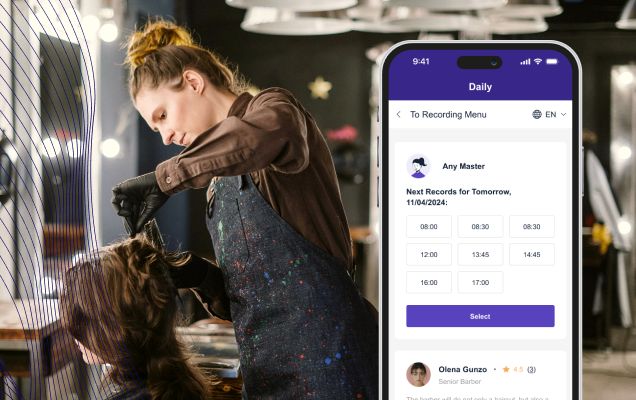
Business Automation Saves Valuable Time
One of the biggest benefits of digital transformation is business automation.
Small teams cannot afford to spend hours every day on repetitive administrative tasks.
Consider a salon employee who spends part of every day:
- Answering appointment calls
- Checking availability
- Confirming bookings
- Rescheduling customers
- Sending reminders
An automated booking process can handle many of these routine actions, allowing employees to concentrate on serving customers. The same principle applies to restaurants, retail stores, fitness businesses, and other service companies.
Automation doesn't replace good employees. It helps them spend more of their working time on tasks where human involvement actually matters.
Digital Tools Improve the Customer Experience
Customers increasingly expect businesses to be convenient.
They may want to:
- Book an appointment after business hours
- Browse a menu from their phone
- Pay without cash
- Receive an immediate confirmation
- Check product availability online
- Contact a business through digital channels
Small businesses can meet these expectations using relatively simple digital tools.
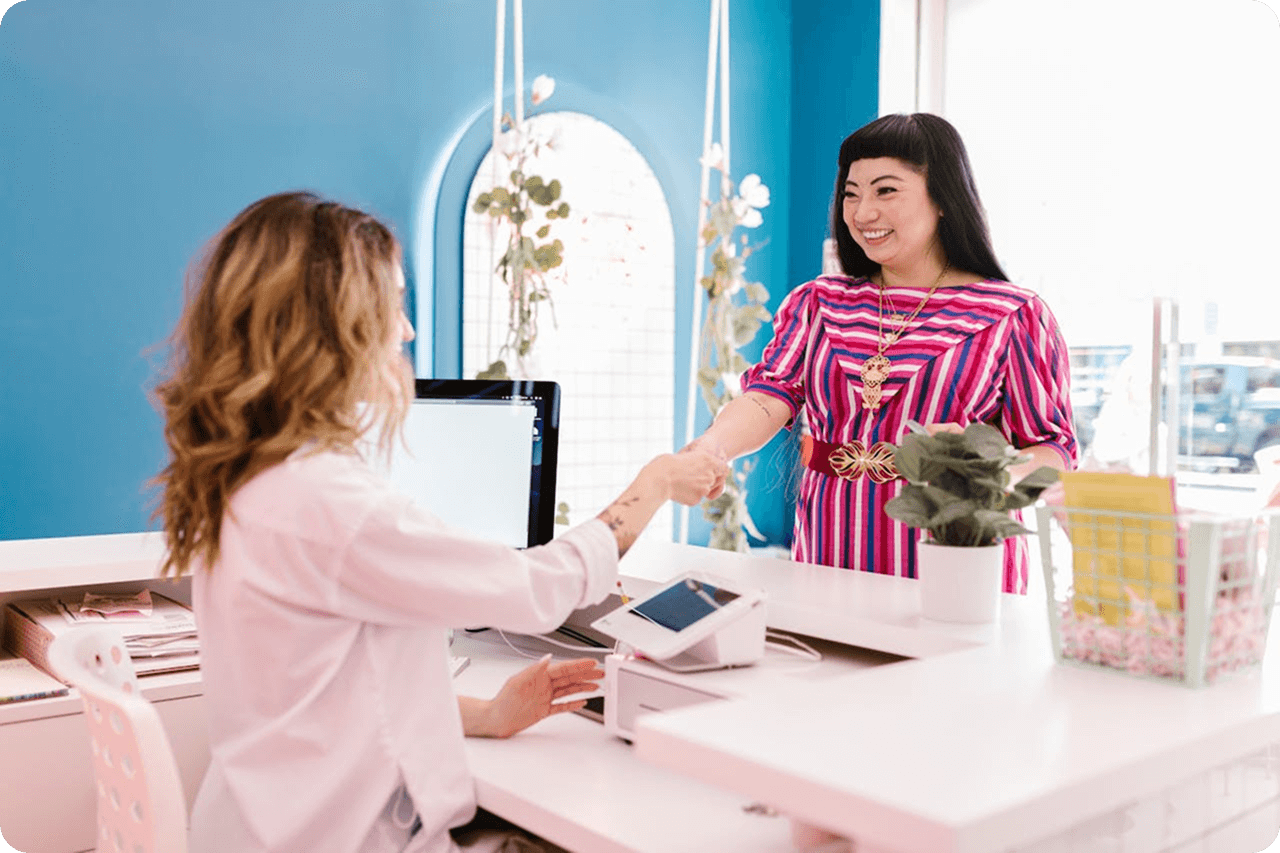
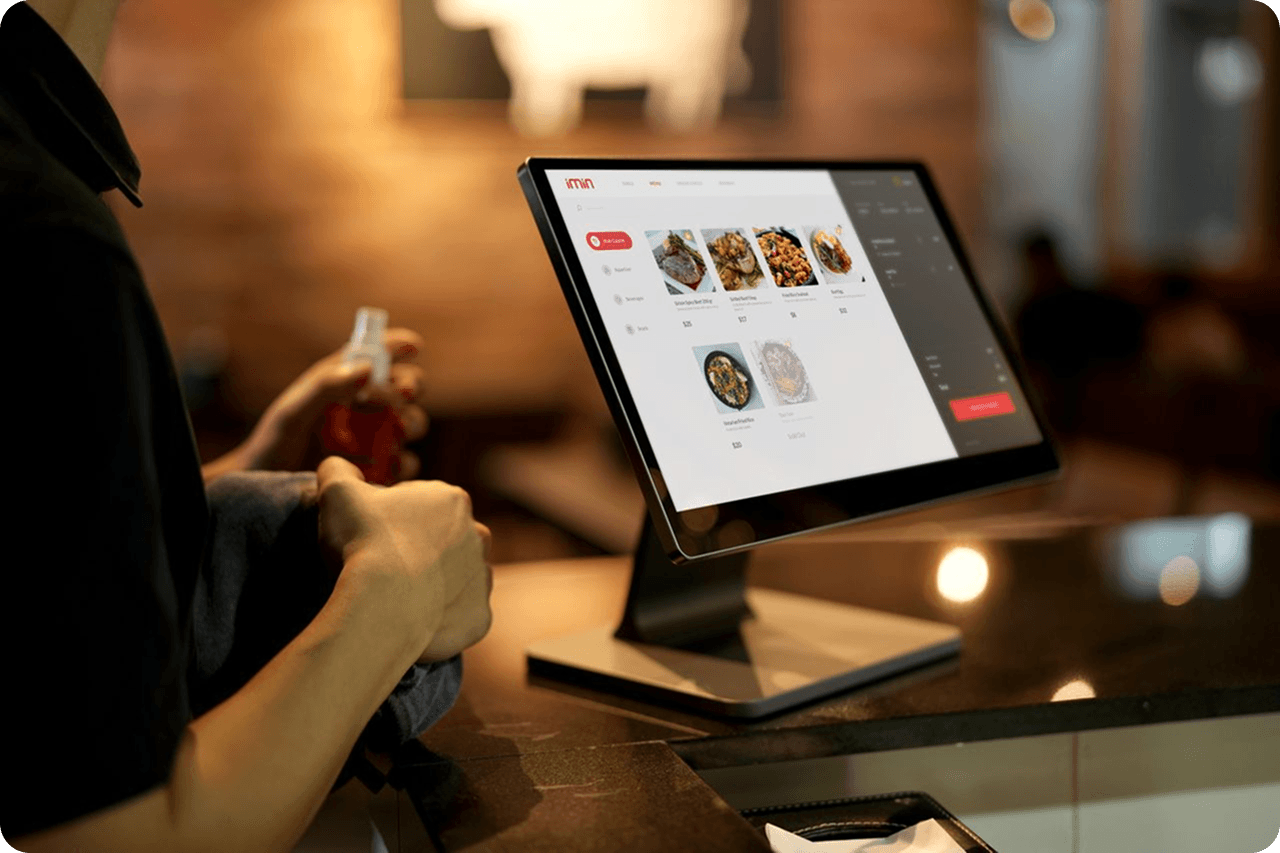
For example, a restaurant can provide a QR menu so customers don't have to wait for a printed menu. A salon can allow customers to book services online. A retail business can use digital customer records to provide faster service.
Each improvement may appear small, but together they create a smoother customer journey.
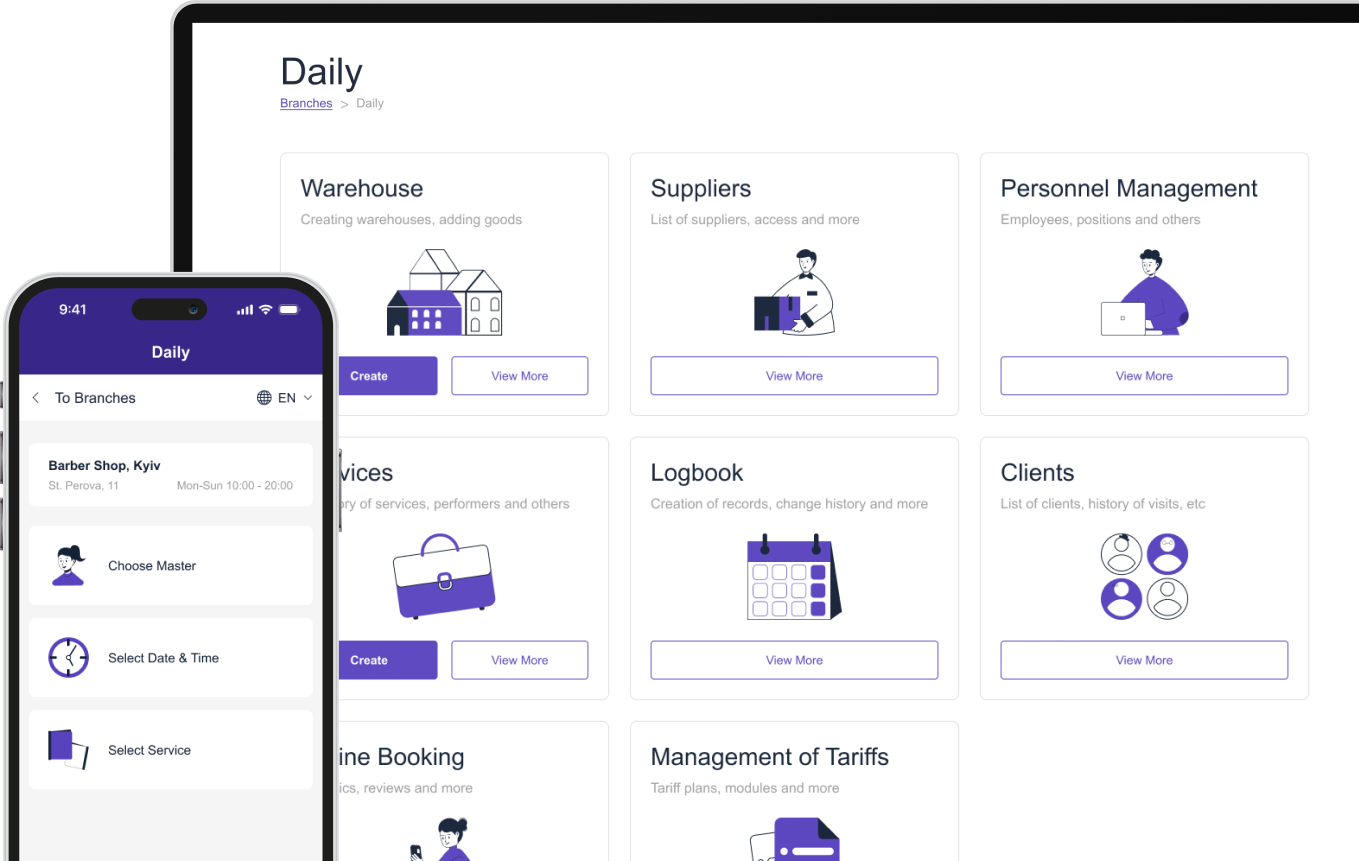
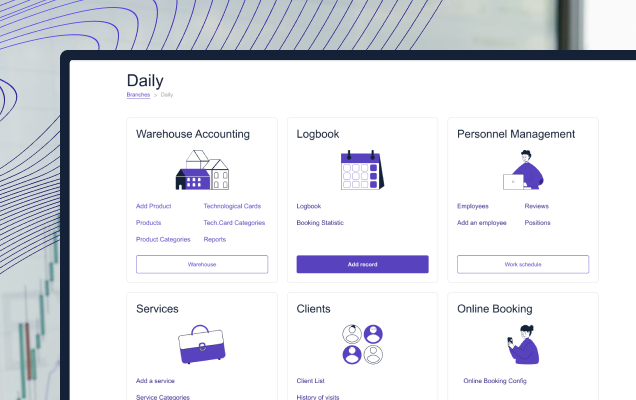
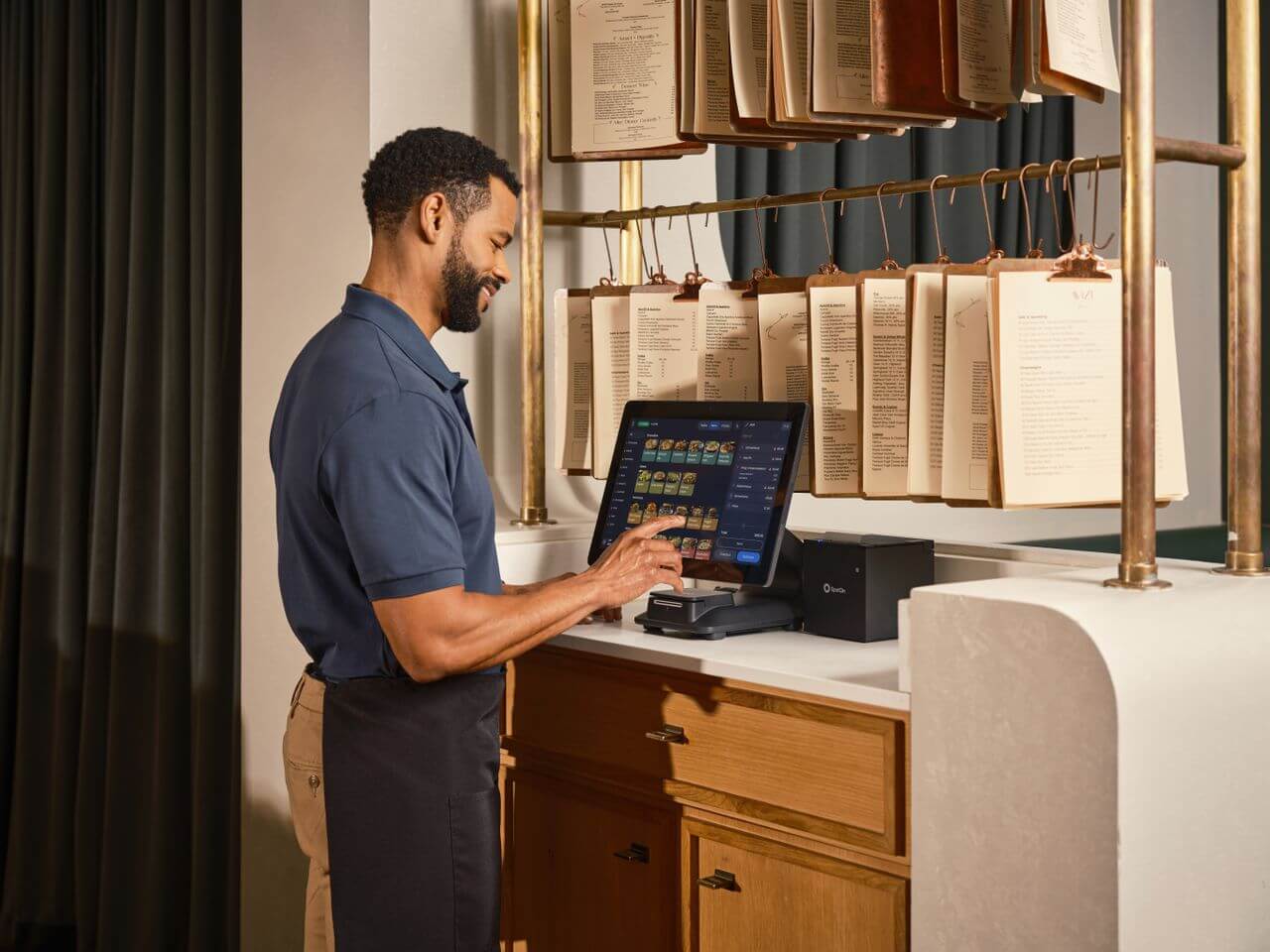
ME-POS, for example, combines online booking, customer management, inventory control, sales, analytics, and other business functions in one system.
Technology Makes Business Data More Useful
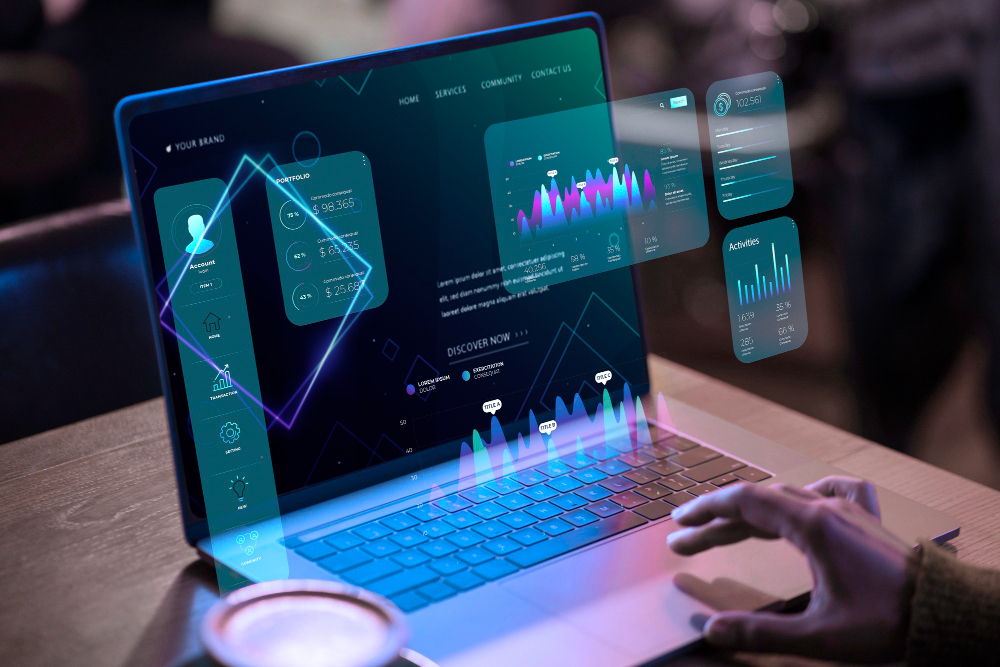
Another important benefit of digital transformation is better access to information.
When information is stored on paper or scattered across different spreadsheets, it can be difficult to understand what is actually happening in the business.
Digital systems can help answer questions such as:
- Which products sell most often?
- Which services generate the most revenue?
- When are customers most active?
- Which employees have the busiest schedules?
- Which products need to be reordered?
- Are cancellations increasing?
ME-POS provides sales reporting, inventory management, customer management, and employee-related functionality, helping businesses bring more operational information into one environment.
This matters because better data can lead to better decisions.
Instead of guessing which product to promote, a business owner can examine actual sales. Instead of assuming that a service is popular, they can look at booking and revenue data.
Digital Transformation Can Reduce Operational Costs
Technology can also help small businesses reduce unnecessary costs.
Manual processes create hidden expenses. Employees spend time entering information, correcting mistakes, checking inventory, and completing repetitive administrative work.
Digital systems can reduce some of this workload.
For example, automated inventory information can reduce errors during stock checks. ME-POS states that its system automatically updates product availability information, helping businesses avoid inventory-related errors.
The same idea applies to booking and sales processes. When fewer tasks have to be handled manually, employees can use their time more productively.

Cloud Technology Helps Small Businesses Work More Flexibly
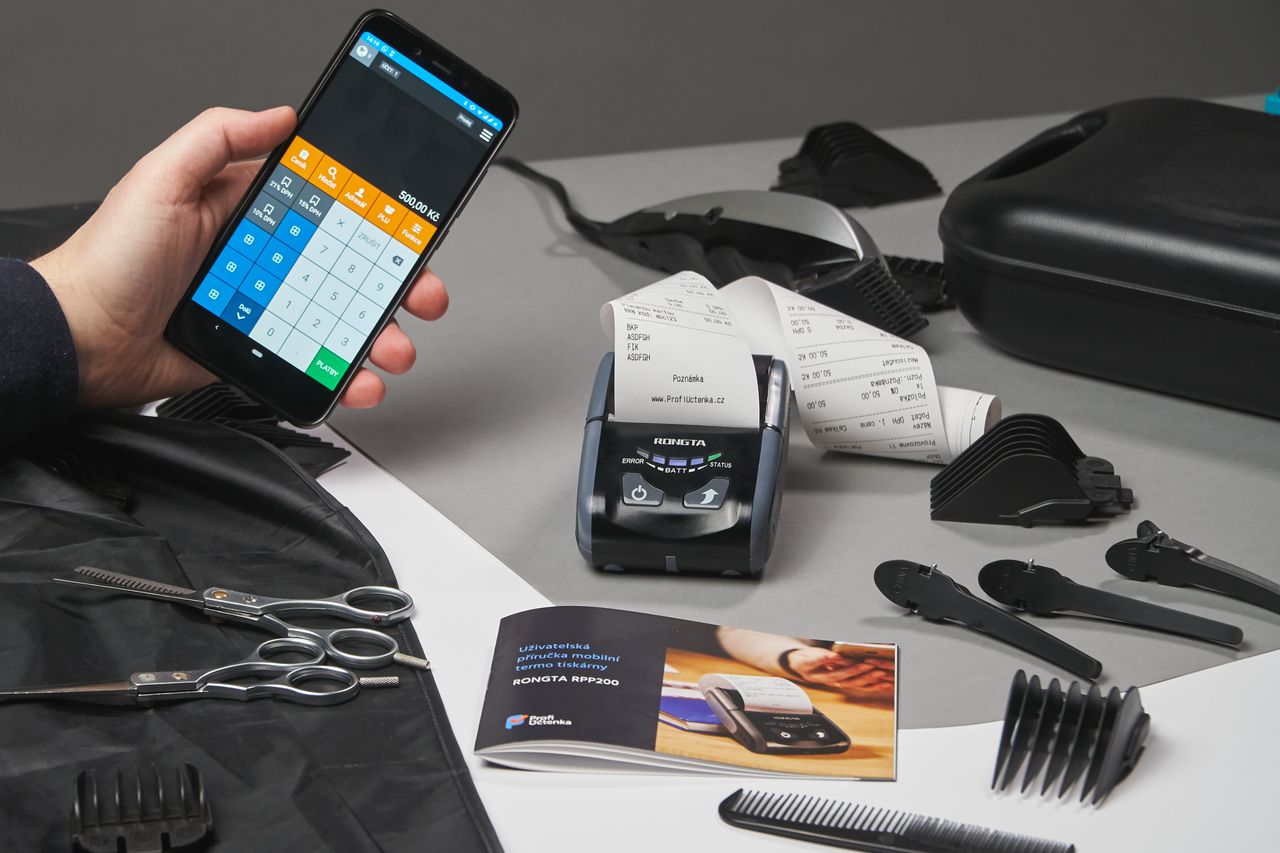
Modern cloud-based systems can also change how owners manage their businesses.
Instead of relying on information stored on one computer in one location, cloud-based tools can provide access across devices. This is particularly useful for owners managing multiple locations or checking business information while away from the premises.
Cloud technology can help small business owners:
- Access business information from different devices
- Monitor sales and inventory remotely
- Review staff performance
- Manage bookings from anywhere
- Track real-time business data
- Coordinate operations across multiple locations
ME-POS highlights remote access, real-time data, inventory monitoring, sales information, staff performance, and booking management as advantages of cloud POS technology.
For a small business owner, this flexibility can save time and make daily management easier.
Digital Transformation Supports Business Innovation
Innovation doesn't always mean creating a revolutionary new product.
Sometimes, innovation means finding a better way to deliver an existing service.
Examples of digital innovation include:
- A café introducing QR ordering to simplify its ordering process
- A salon offering online appointments to make booking more convenient
- A restaurant creating separate digital menus for dine-in, delivery, and pickup
- A retail store using customer data to provide more personalized recommendations
- A service business automating reminders and follow-up messages
These changes can create a stronger customer experience without requiring a business to completely reinvent itself.
How Different Digital Tools Create a Competitive Advantage
The following examples show how technology can address common small-business challenges:
Business Challenge
Digital Tool
How It Helps
Potential Competitive Advantage
Too much manual scheduling
Online booking
Automates appointment management
Faster and more convenient service
Printed menus are difficult to update
QR menu
Allows digital menu updates
More accurate customer information
Inventory errors
Inventory management
Tracks products digitally
Better stock control
Long checkout times
POS system
Speeds up transactions
Faster customer service
Limited business visibility
Analytics
Provides sales and performance data
Better decisions
Repetitive administrative work
Automation
Reduces manual tasks
More productive employees
The important point is that businesses don't need every tool in the table. They should choose technology based on their specific needs.
ME-POS as Part of a Digital Transformation Strategy
For small businesses, using one connected system can be easier than managing many separate applications.
ME-POS combines several essential business functions, including:
- POS and sales processing
- Online booking
- Customer management
- Inventory tracking
- Sales analytics
- Employee management
- QR menus
- Business reporting
This can be particularly useful for businesses that want to gradually move away from disconnected manual processes.
For example:
- A salon can use online booking and customer management.
- A restaurant can focus on POS, inventory, sales analytics, and QR menus.
- A retail store can use inventory tracking, sales reporting, and customer records.
- A service business can manage appointments, employee schedules, and customer information.
The advantage is not simply having more features. It's having digital tools that support everyday operations in one broader workflow.

Start Your Me-Pos
Experience for Free!
Make sure that Me-Pos Online Booking meets your needs and requirements before making a final decision.
Use for Free
Start Small Instead of Transforming Everything
One of the biggest mistakes small businesses can make is trying to digitize everything at once.
A better strategy is to start with the process causing the most problems.
Ask yourself:
- What takes my employees too much time?
- Where do mistakes happen most often?
- What frustrates customers?
- Which information is difficult to track?
- What repetitive task could be automated?
Once you've identified the biggest problem, find a digital solution for it and measure the result.
If online booking reduces phone calls and improves appointment volume, that's a measurable success. If digital inventory reduces stock errors, that's another measurable improvement.
Then move to the next process.
Conclusion
Digital transformation still gives small businesses a meaningful competitive advantage because it allows them to work smarter, respond faster, and provide more convenient experiences without necessarily having the resources of a large company.
The right digital tools can reduce repetitive work, improve customer service, provide better data, control inventory, simplify booking, and support more informed business decisions.
The key is not to adopt every new technology. Instead, identify the biggest operational problems and use technology to solve them.
With solutions such as ME-POS, small businesses can gradually move essential processes into digital workflows while keeping operations organized and customer-focused.
In a competitive market, being small doesn't have to mean being behind. When technology is implemented strategically, flexibility can become one of the strongest advantages a small business has.
Frequently Asked Questions about Digital Transformation
It can be. Small businesses don't have to modernize every process at once or build expensive infrastructure. Starting with one practical digital tool that solves a specific problem can make the investment easier to manage and measure.
Start by identifying the process that wastes the most time or creates the most problems. Once you understand the issue, look for a digital solution that directly addresses it and establish measurable goals for evaluating the result.
Technology can help smaller businesses compete through convenience, speed, efficiency, and customer experience. A small company may not have the same resources as a large competitor, but it can often adopt new digital processes faster and adapt them to customer needs.
Yes. Automation can reduce repetitive administrative work and allow employees to focus on customers and higher-value responsibilities. The goal is not simply to do more work, but to use employee time more effectively.
Not necessarily. Too many disconnected systems can actually make management more complicated. In many cases, a platform that combines several essential functions can provide a more organized approach to digital transformation.
Me-Pos Team
Last modified 31.08.2026
Was This Article Helpful?
Click on a star to rate it!
Thank you for your vote!

Average Rating: 5/5 Votes: 1
Be the first to rate this post!
Share with Friends:

































View more
Related Articles

500
5
Combining Online and Offline Bookings to Maximize Your Venue’s Capacity
For service-based venues — whether salons, spas, clinics, tattoo studios, or beauty centers — empty time slots mean lost revenue. Every unbooked chair...
Me-Pos Team
|
26.02.2026
|
8min
55
5
How to Create a Restaurant Menu Online Without Coding
Creating a restaurant menu online no longer requires coding skills or complicated website development. With a digital menu builder, restaurant owners ...
Me-Pos Team
|
05.10.2026
|
12min
92
5
How to Create a Multilingual Restaurant Menu Online
Restaurants increasingly serve customers who speak different languages. Tourists, international visitors, and multilingual local communities all benef...
Me-Pos Team
|
26.09.2026
|
14min

How to Set Up Online Booking for a Beauty Salon
Running a beauty salon means managing more than just treatments. You also need to coordinate staff schedules, answer appointment requests, avoid doubl...
Me-Pos Team
|
04.09.2026
|
11min
220
5
Employee Access Levels: How to Protect Business Data While Keeping Your Team Productive
Running a restaurant or service business means giving employees access to the tools they need every day. Staff members may need to manage orders, upda...
Me-Pos Team
|
10.08.2026
|
12min
245
5
Using QR Code Menus for Hotel Restaurants and Room Service
The hospitality industry is becoming increasingly digital, and guest expectations continue to evolve. Modern travelers expect convenience, speed, pers...
Me-Pos Team
|
14.06.2026
|
17min

QR Menu Use Cases: From Dine-In to Delivery and Pickup Explained
QR menus have evolved far beyond being a simple digital replacement for printed menus. In 2026, they are becoming a central part of restaurant operati...
Me-Pos Team
|
09.06.2026
|
16min

1133
5
How to Make a Restaurant Menu Design?
Designing a restaurant menu is a crucial aspect of the restaurant industry. A well-crafted menu does more than list the dishes offered; it serves as a...
Me-Pos Team
|
30.09.2024
|
15min

835
5
Complete Guide on How to Open a Pet Store: Unique Steps and Tips
The pet industry is booming, making it an ideal time for starting a pet store business. With pet ownership steadily increasing, the demand for quality...
Me-Pos Team
|
28.07.2025
|
12min

1482
5
Liquor Store Opening: Step-by-Step Guide to Launching and Operating
Opening a liquor store can be an exciting and rewarding journey, but it’s not a business you want to jump into without preparation. From understanding...
Me-Pos Team
|
04.04.2025
|
9min
1242
5
Understanding Prices for Food Trucks: A Comprehensive Guide
So you want to start a food truck? Awesome choice! But before you hit the road, you have to figure out how much food trucks cost and what other expens...
Me-Pos Team
|
06.03.2025
|
8min

1446
5
Your Ultimate Guide on How to Open a Pharmacy Business
Starting a pharmacy business can be a rewarding and profitable venture if approached correctly. Pharmacies play a crucial role in communities by provi...
Me-Pos Team
|
20.12.2024
|
19min

1116
5
Starting a Spa Massage Business: A Complete Guide to Success
The wellness industry is booming, offering excellent opportunities for entrepreneurs looking to start a spa business. In today's fast-paced world, mor...
Me-Pos Team
|
19.12.2024
|
12min
1245
5
How to Open a Bar: A Step-by-Step Guide for Aspiring Entrepreneurs
Opening a new bar is an exciting venture, but it requires careful planning and attention to detail. Whether you dream of creating a laid-back pub or a...
Me-Pos Team
|
18.12.2024
|
11min

1022
4.5
How to Start an Ice Cream Truck Business?
Starting an ice cream truck business can be a lucrative and enjoyable venture for those who love being their own boss, engaging with the community, an...
Me-Pos Team
|
17.12.2024
|
16min

1105
4
How to Start a Gym as a Business: From Concept to Reality
Starting a gym business is a rewarding opportunity that combines a passion for fitness with entrepreneurial success. However, it involves far more tha...
Me-Pos Team
|
20.12.2024
|
14min
233
3
How to Create a QR Menu for Your Restaurant: Step-by-Step Guide
The way restaurants present their menus has changed dramatically in recent years. Customers now expect fast, convenient, and contactless access to foo...
Me-Pos Team
|
07.08.2026
|
10min
500
5
Combining Online and Offline Bookings to Maximize Your Venue’s Capacity
For service-based venues — whether salons, spas, clinics, tattoo studios, or beauty centers — empty time slots mean lost revenue. Every unbooked chair...
Me-Pos Team
|
26.02.2026
|
8min
55
5
How to Create a Restaurant Menu Online Without Coding
Creating a restaurant menu online no longer requires coding skills or complicated website development. With a digital menu builder, restaurant owners ...
Me-Pos Team
|
05.10.2026
|
12min
92
5
How to Create a Multilingual Restaurant Menu Online
Restaurants increasingly serve customers who speak different languages. Tourists, international visitors, and multilingual local communities all benef...
Me-Pos Team
|
26.09.2026
|
14min
How to Set Up Online Booking for a Beauty Salon
Running a beauty salon means managing more than just treatments. You also need to coordinate staff schedules, answer appointment requests, avoid doubl...
Me-Pos Team
|
04.09.2026
|
11min
220
5
Employee Access Levels: How to Protect Business Data While Keeping Your Team Productive
Running a restaurant or service business means giving employees access to the tools they need every day. Staff members may need to manage orders, upda...
Me-Pos Team
|
10.08.2026
|
12min
245
5
Using QR Code Menus for Hotel Restaurants and Room Service
The hospitality industry is becoming increasingly digital, and guest expectations continue to evolve. Modern travelers expect convenience, speed, pers...
Me-Pos Team
|
14.06.2026
|
17min
QR Menu Use Cases: From Dine-In to Delivery and Pickup Explained
QR menus have evolved far beyond being a simple digital replacement for printed menus. In 2026, they are becoming a central part of restaurant operati...
Me-Pos Team
|
09.06.2026
|
16min
1133
5
How to Make a Restaurant Menu Design?
Designing a restaurant menu is a crucial aspect of the restaurant industry. A well-crafted menu does more than list the dishes offered; it serves as a...
Me-Pos Team
|
30.09.2024
|
15min
835
5
Complete Guide on How to Open a Pet Store: Unique Steps and Tips
The pet industry is booming, making it an ideal time for starting a pet store business. With pet ownership steadily increasing, the demand for quality...
Me-Pos Team
|
28.07.2025
|
12min
1482
5
Liquor Store Opening: Step-by-Step Guide to Launching and Operating
Opening a liquor store can be an exciting and rewarding journey, but it’s not a business you want to jump into without preparation. From understanding...
Me-Pos Team
|
04.04.2025
|
9min
1242
5
Understanding Prices for Food Trucks: A Comprehensive Guide
So you want to start a food truck? Awesome choice! But before you hit the road, you have to figure out how much food trucks cost and what other expens...
Me-Pos Team
|
06.03.2025
|
8min
1446
5
Your Ultimate Guide on How to Open a Pharmacy Business
Starting a pharmacy business can be a rewarding and profitable venture if approached correctly. Pharmacies play a crucial role in communities by provi...
Me-Pos Team
|
20.12.2024
|
19min
1116
5
Starting a Spa Massage Business: A Complete Guide to Success
The wellness industry is booming, offering excellent opportunities for entrepreneurs looking to start a spa business. In today's fast-paced world, mor...
Me-Pos Team
|
19.12.2024
|
12min
1245
5
How to Open a Bar: A Step-by-Step Guide for Aspiring Entrepreneurs
Opening a new bar is an exciting venture, but it requires careful planning and attention to detail. Whether you dream of creating a laid-back pub or a...
Me-Pos Team
|
18.12.2024
|
11min
1022
4.5
How to Start an Ice Cream Truck Business?
Starting an ice cream truck business can be a lucrative and enjoyable venture for those who love being their own boss, engaging with the community, an...
Me-Pos Team
|
17.12.2024
|
16min
1105
4
How to Start a Gym as a Business: From Concept to Reality
Starting a gym business is a rewarding opportunity that combines a passion for fitness with entrepreneurial success. However, it involves far more tha...
Me-Pos Team
|
20.12.2024
|
14min
233
3
How to Create a QR Menu for Your Restaurant: Step-by-Step Guide
The way restaurants present their menus has changed dramatically in recent years. Customers now expect fast, convenient, and contactless access to foo...
Me-Pos Team
|
07.08.2026
|
10min
View more
