How a Café Improved Customer Experience with QR Code Ordering
For a busy café, customer experience often comes down to simple things: how quickly guests can see the menu, how easily they can find what they want, and how much time they spend waiting.
One small café decided to improve this process by introducing café QR ordering. Instead of relying entirely on printed menus and staff taking every order manually, the café gave customers instant access to a digital menu through QR codes.
The change made the ordering process more convenient for customers while helping employees spend less time answering repetitive menu questions and more time providing personal service.
The Challenge: Slow Ordering During Busy Hours
The café was popular with local customers, students, and office workers. During breakfast and lunch rushes, staff had to handle several tasks at once.
Customers often had to wait to:
- Receive a menu
- Ask about available dishes
- Check ingredients
- Find out about allergens
- Place their order
Even a short delay could make the experience feel slower than it needed to be.
The café owner realized that hiring additional employees wasn't the only possible solution. Improving the ordering process itself could remove some of the pressure.
Introducing a QR Code Menu
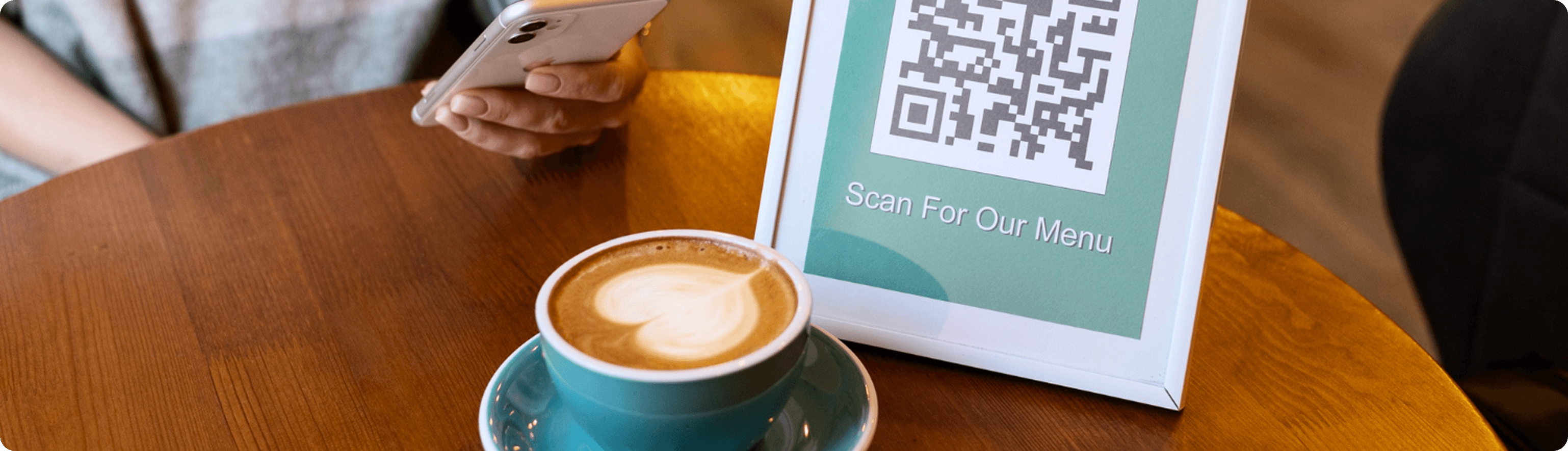
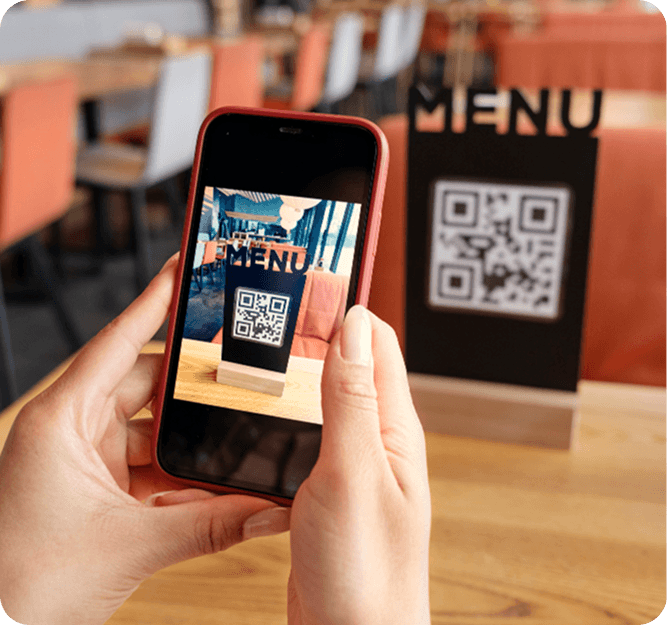
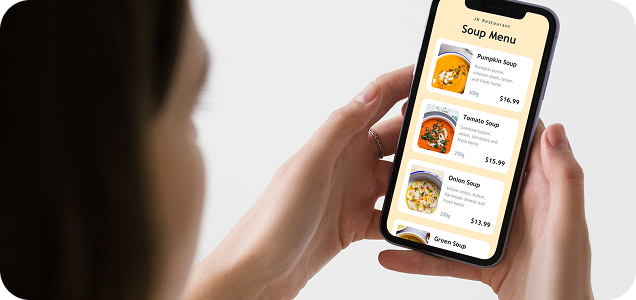
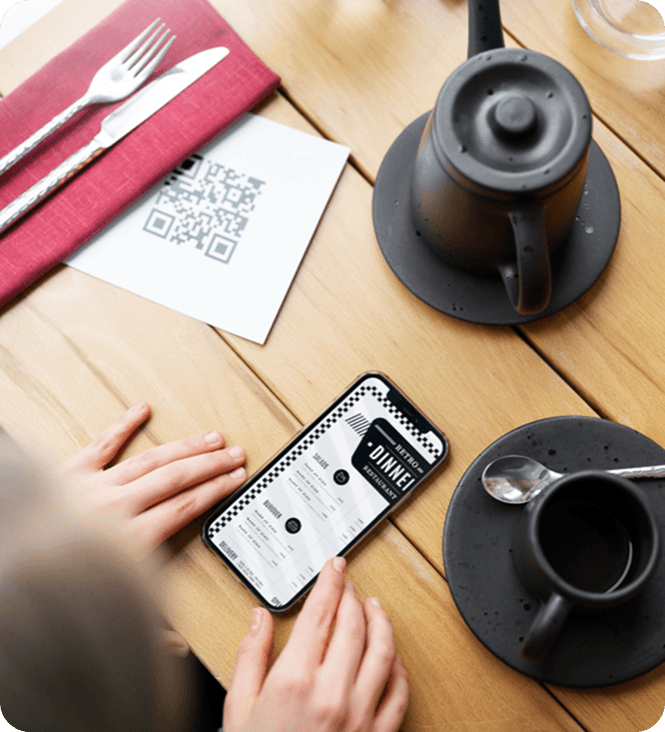
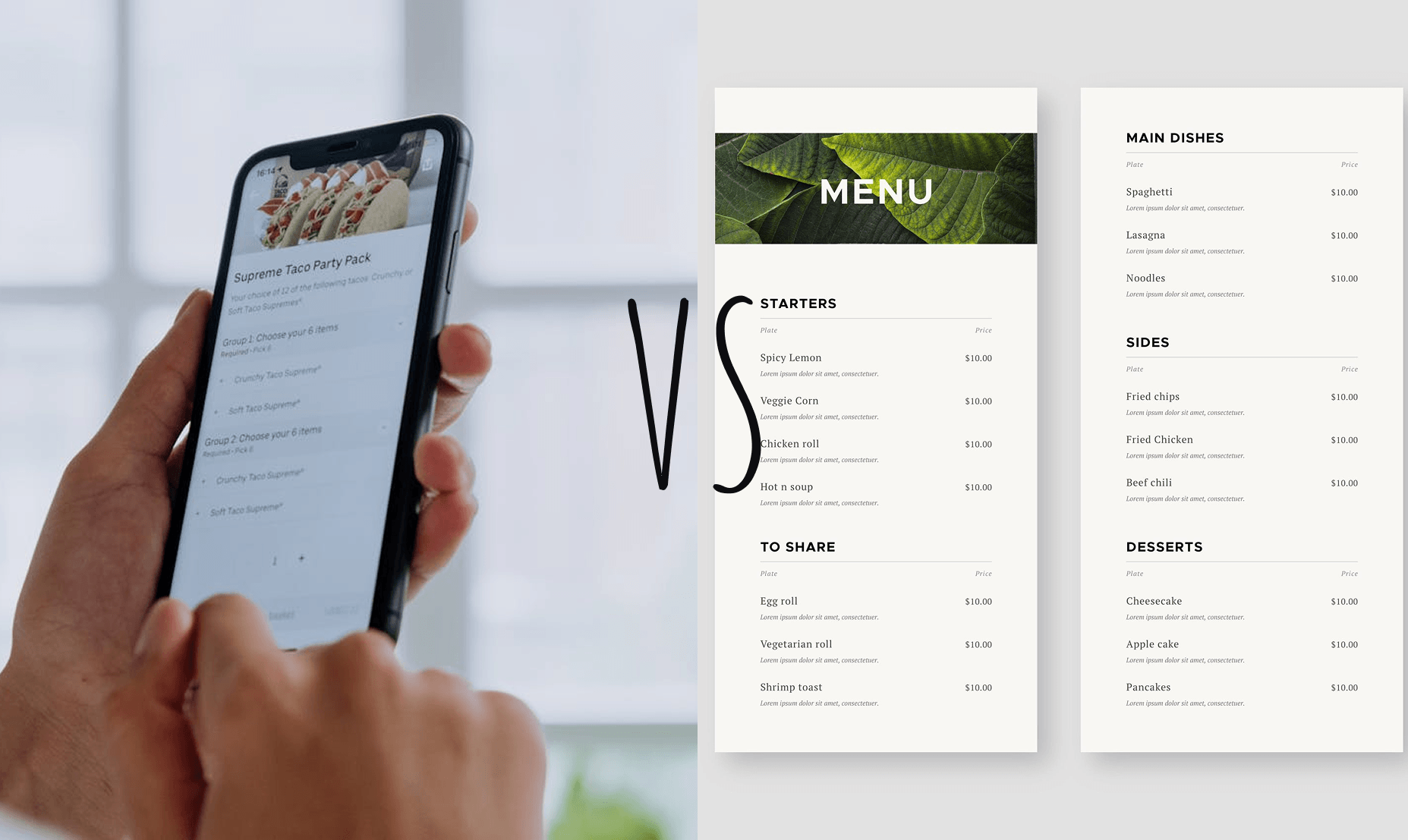
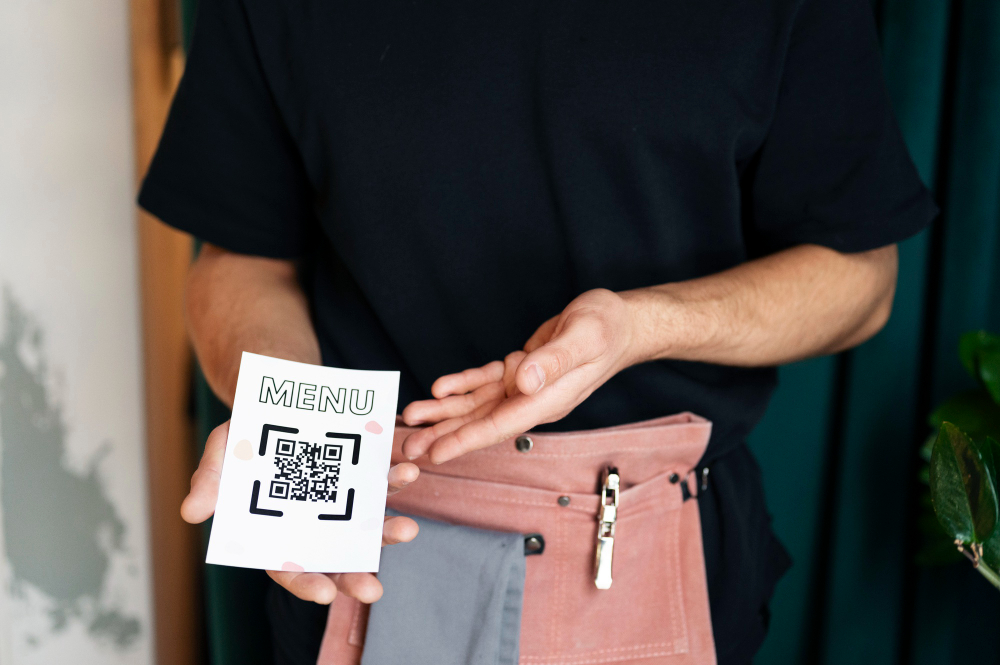
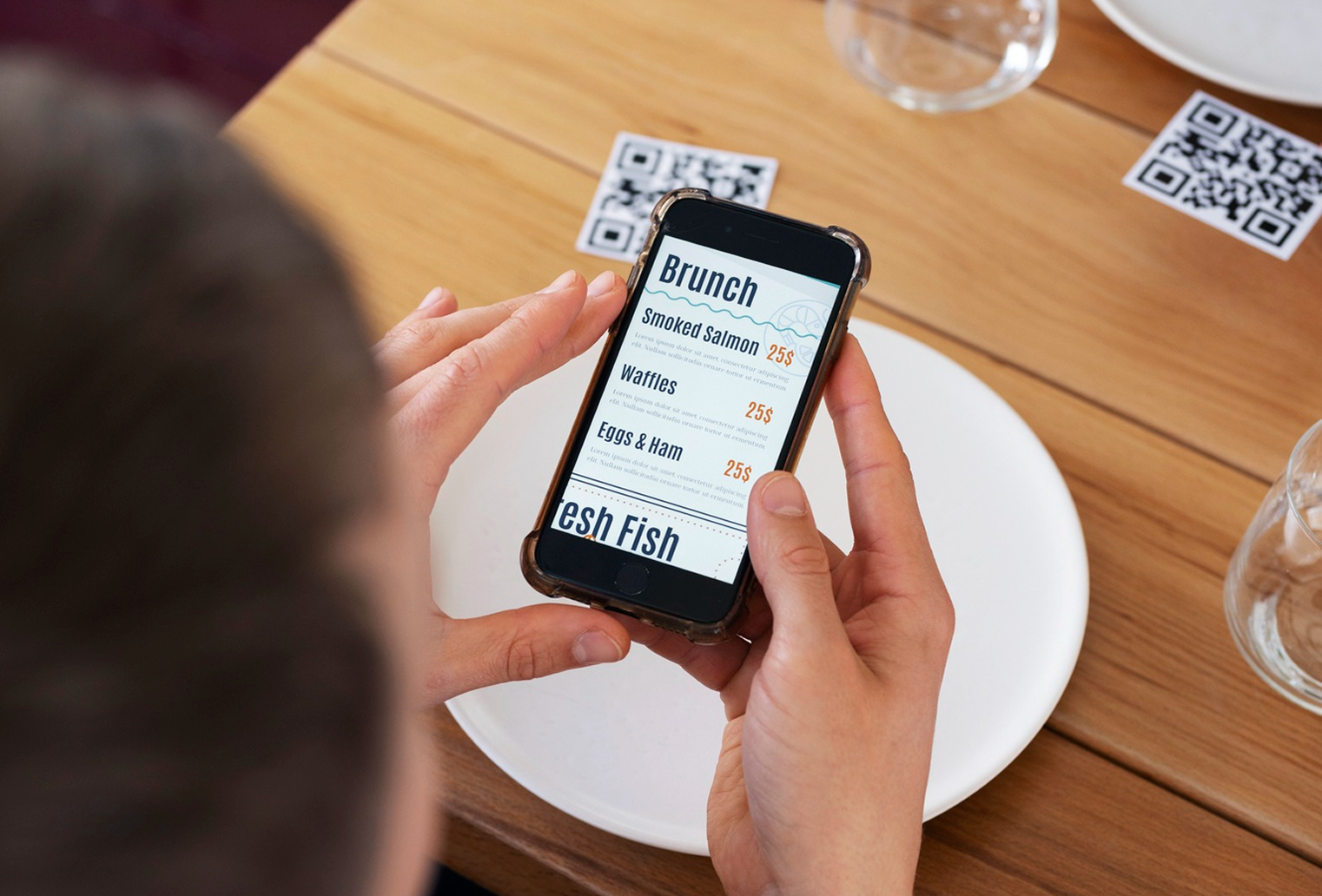
The café introduced a QR code menu that customers could access directly from their smartphones.
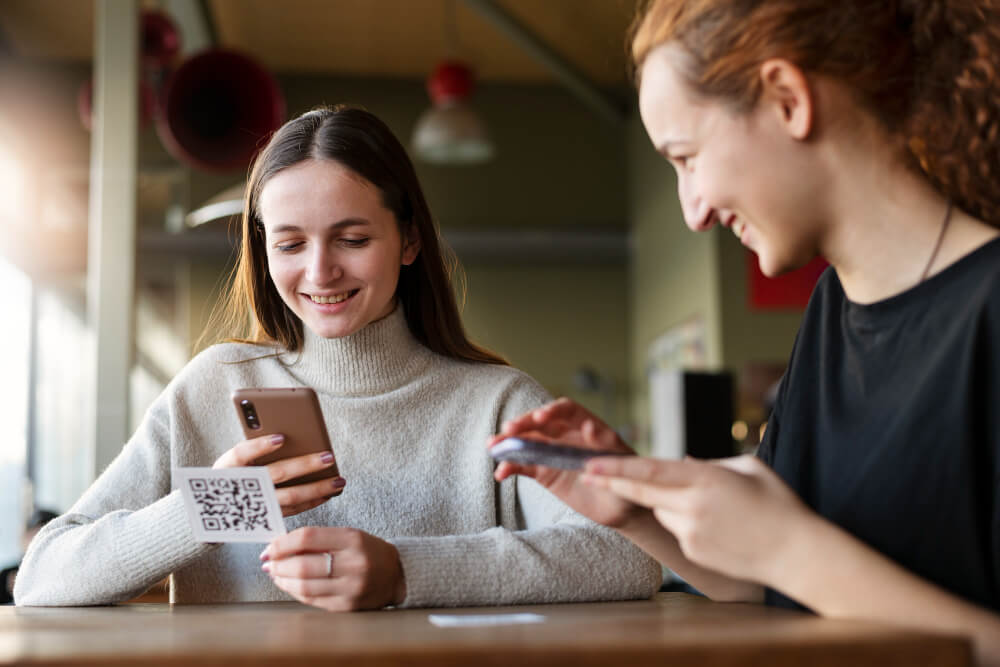
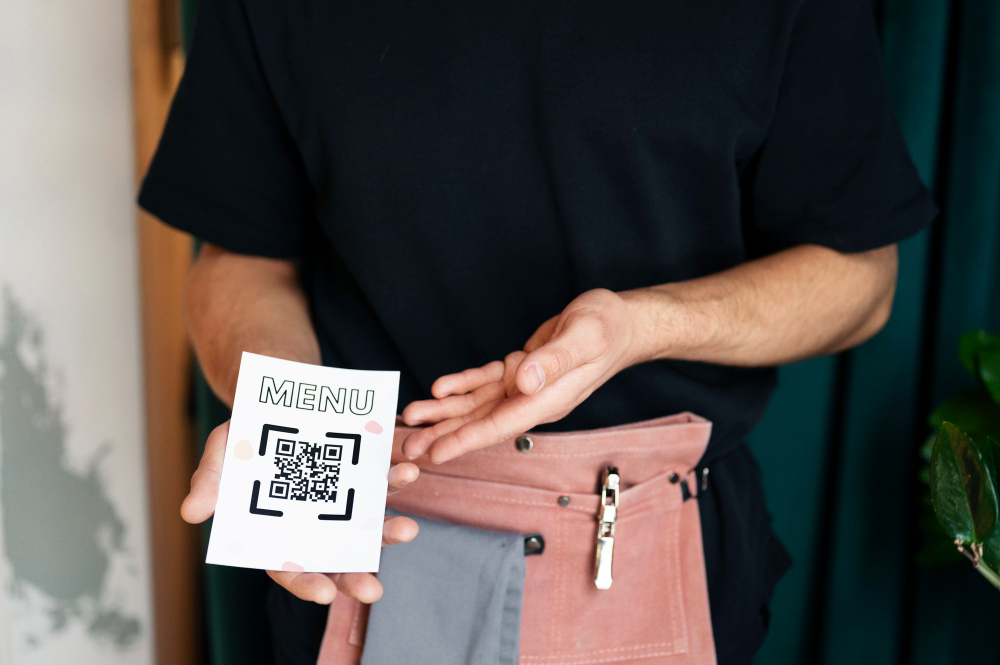
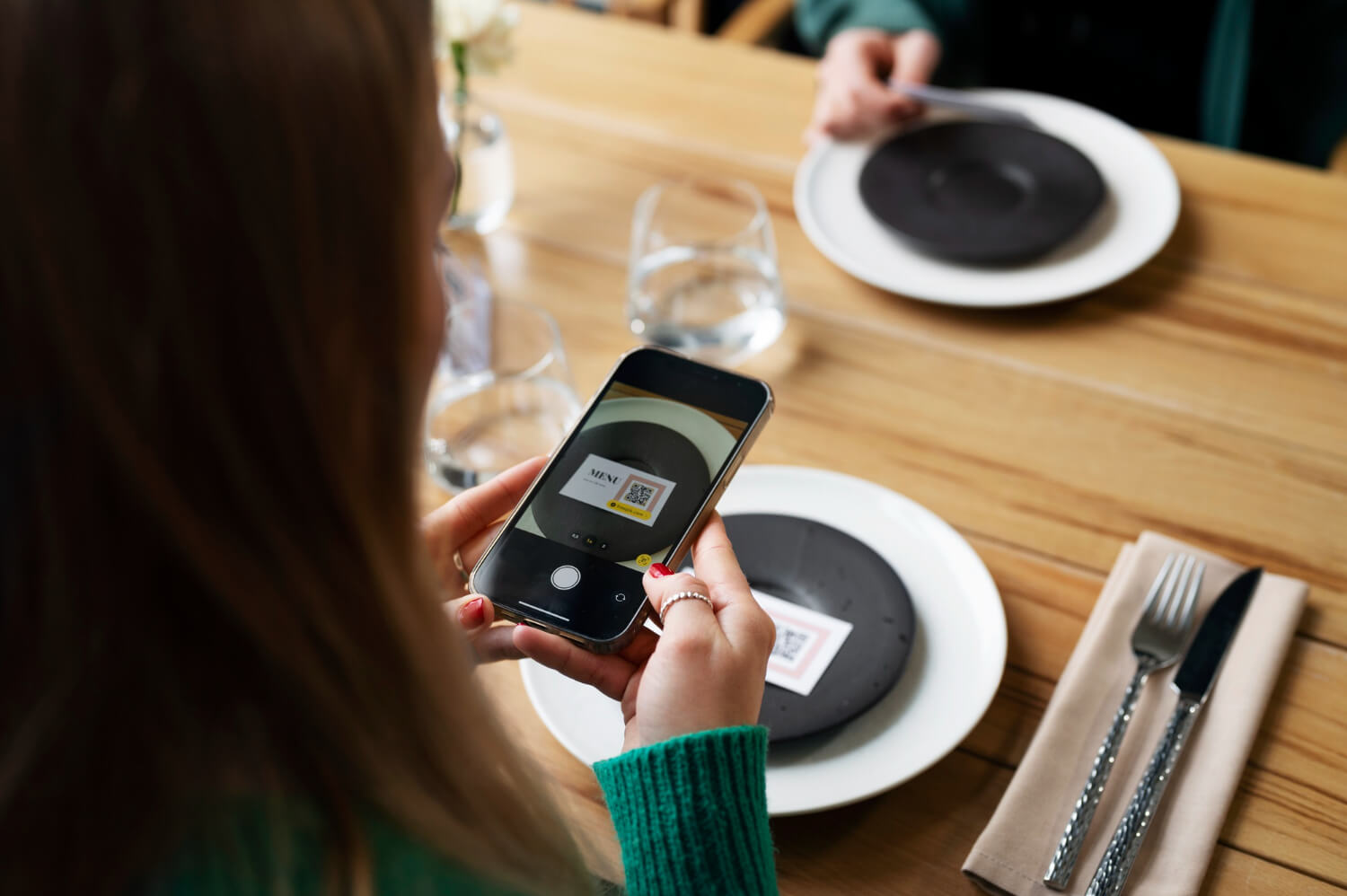
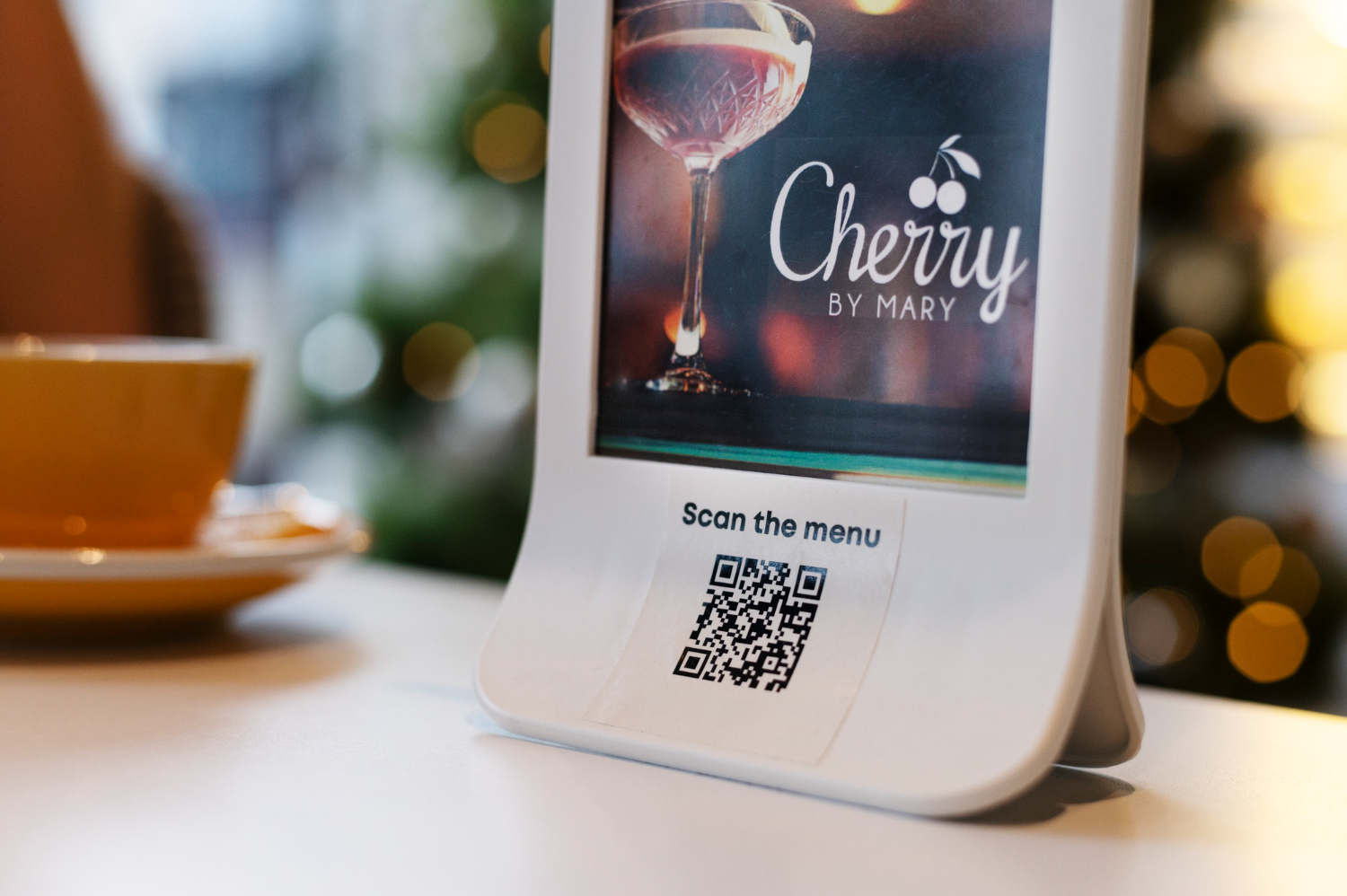
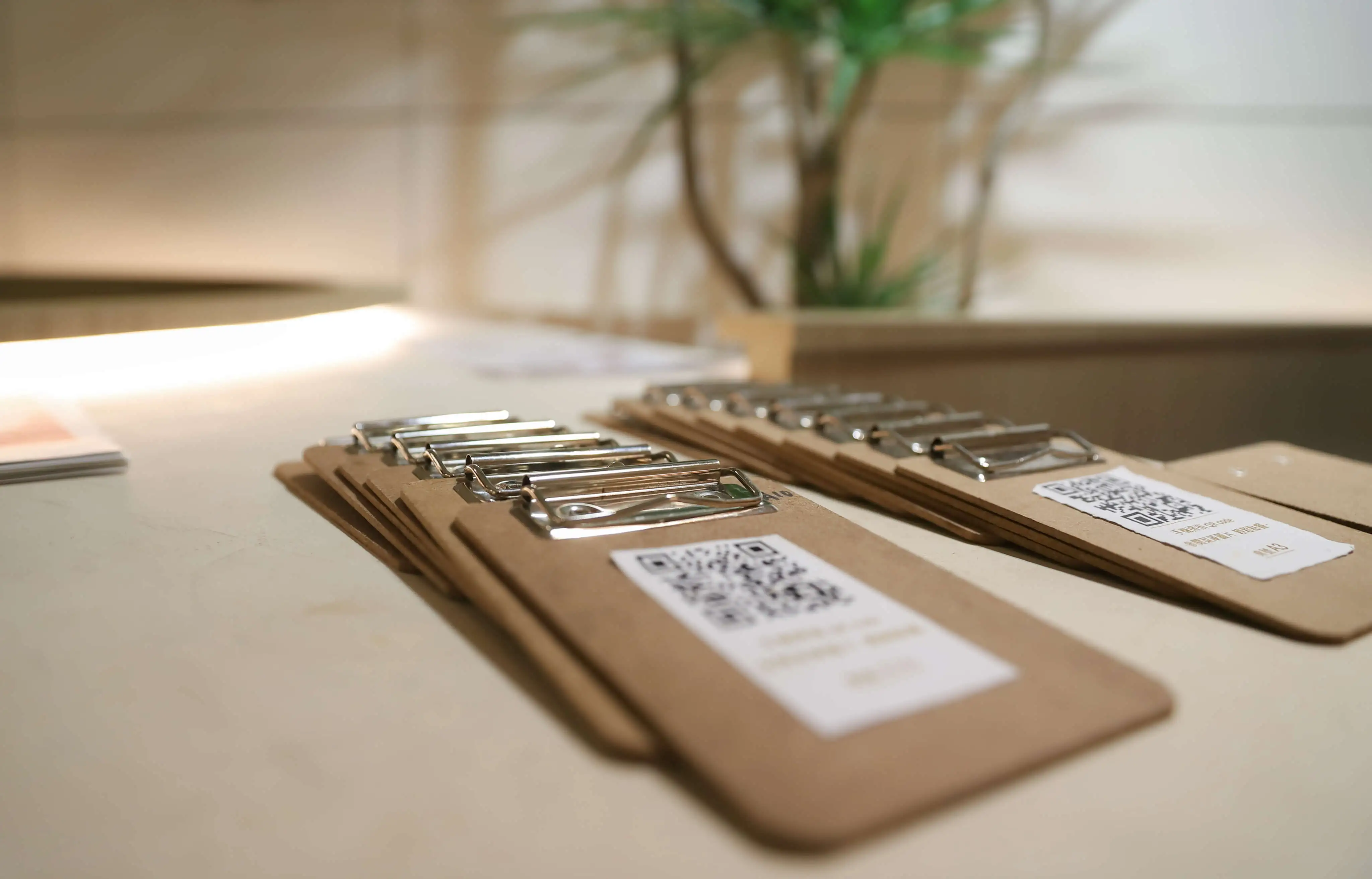
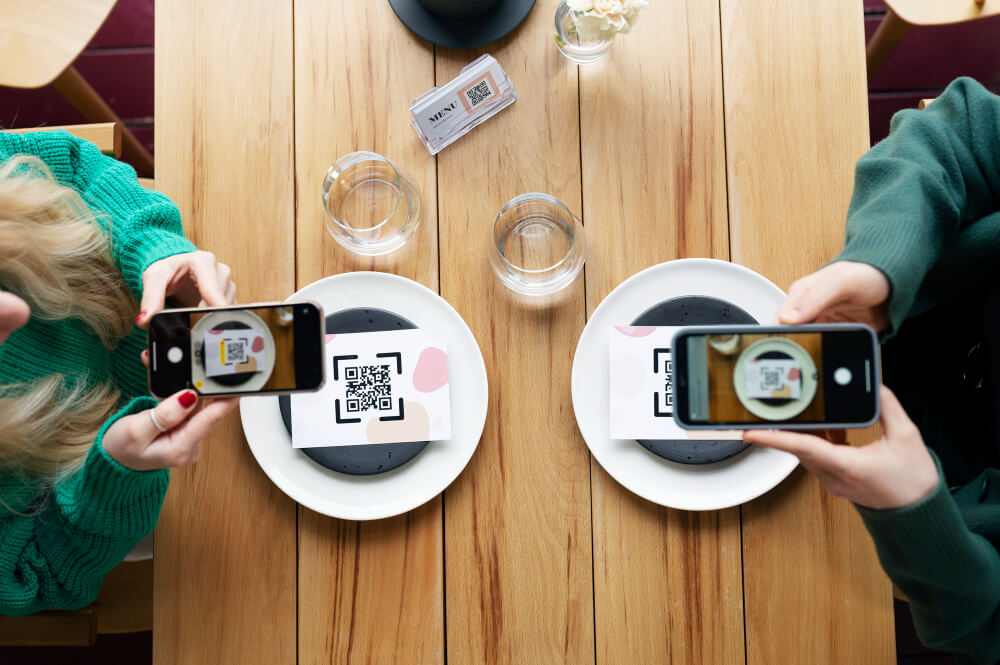
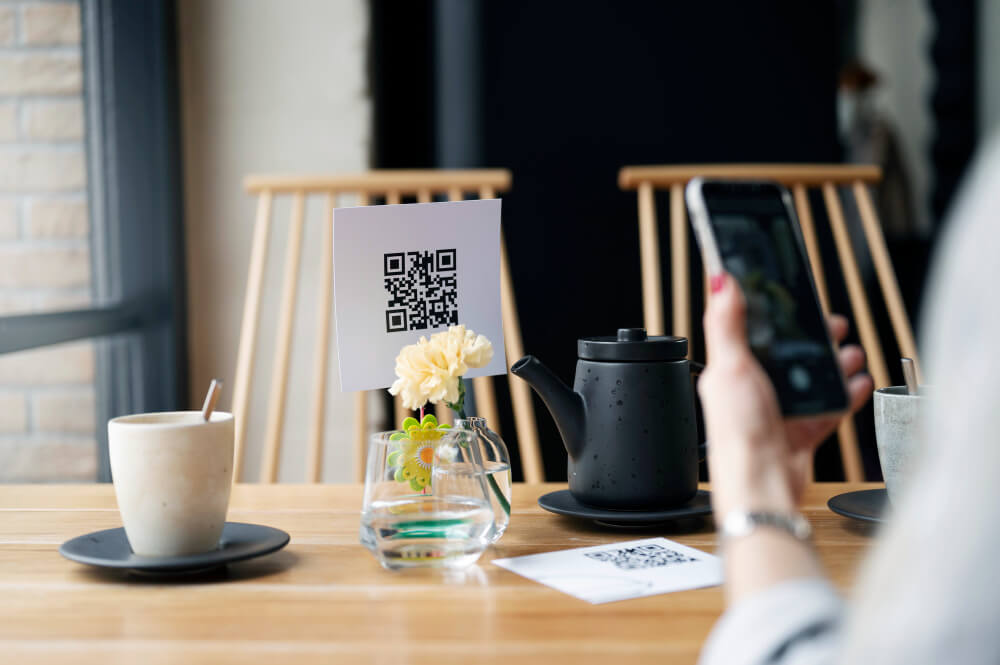
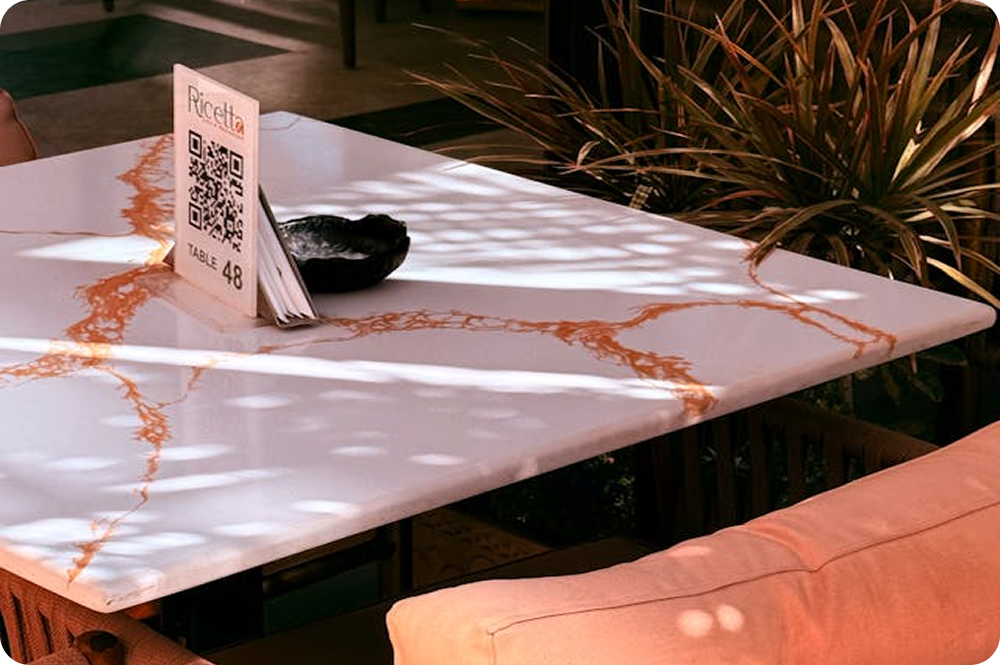
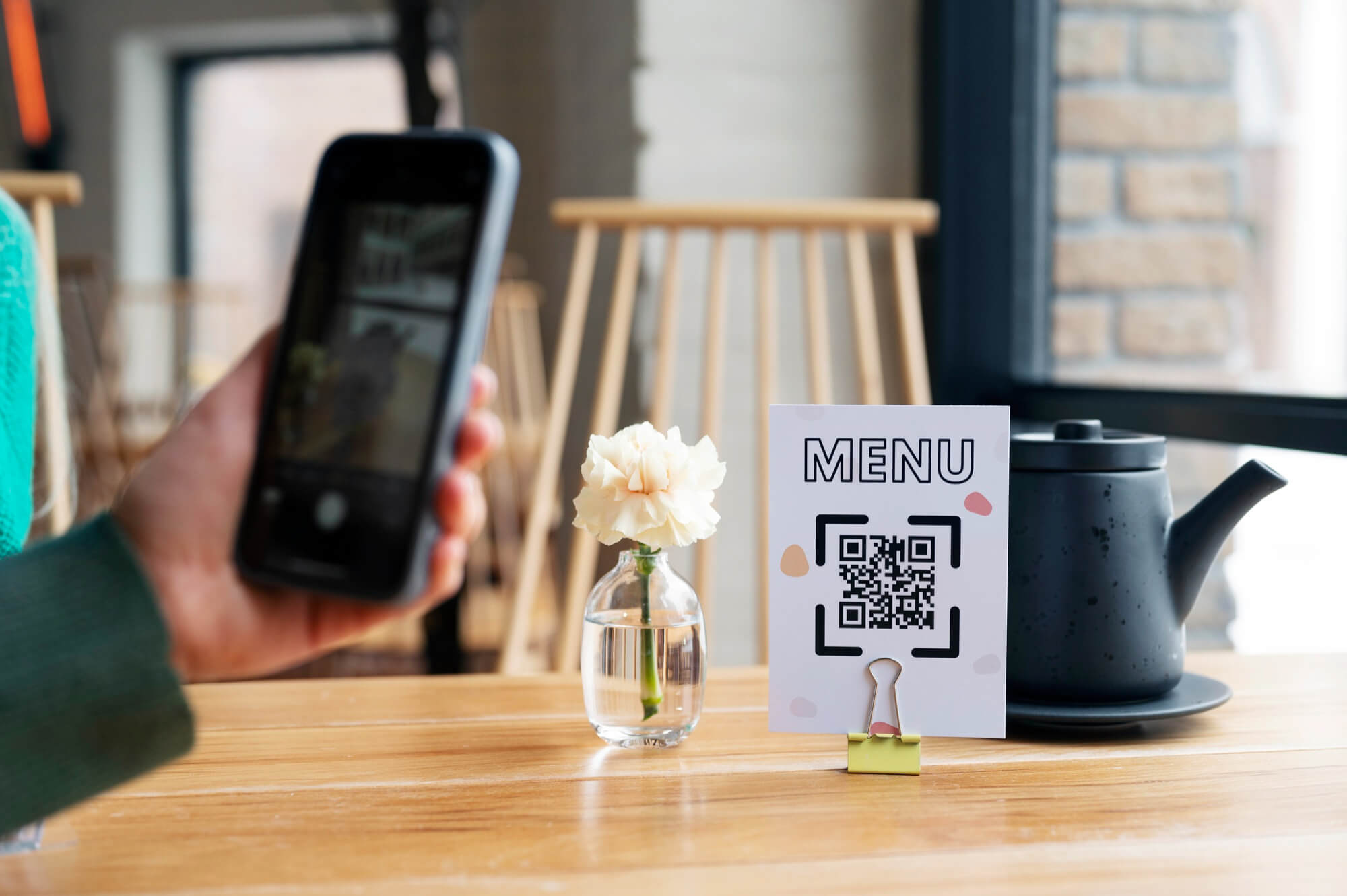
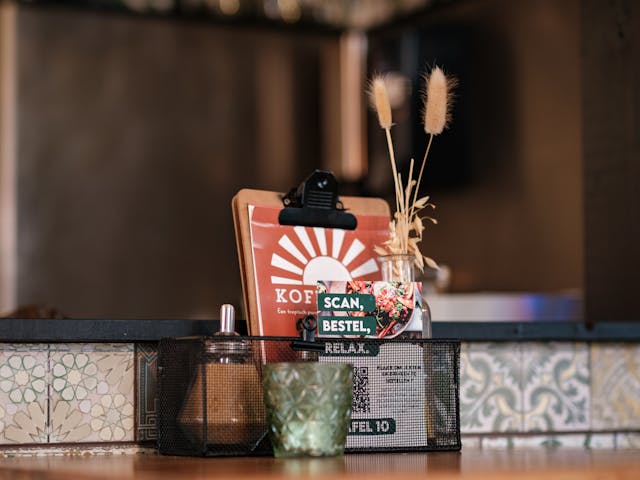
QR codes were placed on tables and other visible locations. Customers could scan the code and immediately browse the café's menu without waiting for a printed copy.
The digital menu included:
- Coffee and tea
- Breakfast dishes
- Sandwiches
- Desserts
- Cold drinks
- Prices
- Dish descriptions
- Photos
This gave customers control over the first stage of their ordering experience.
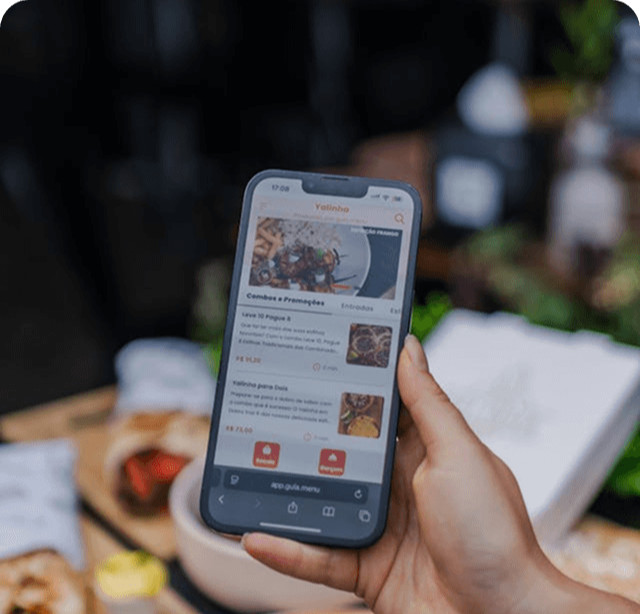
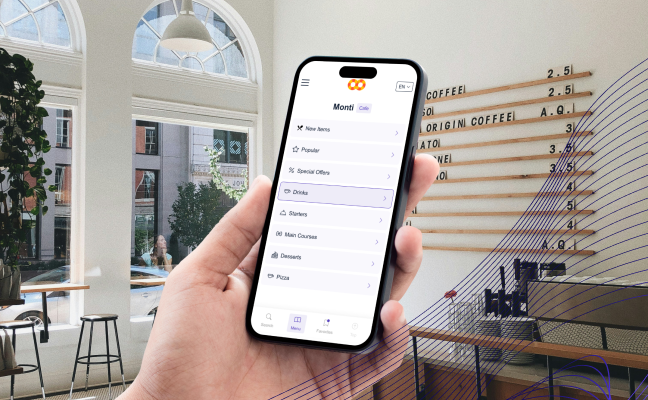
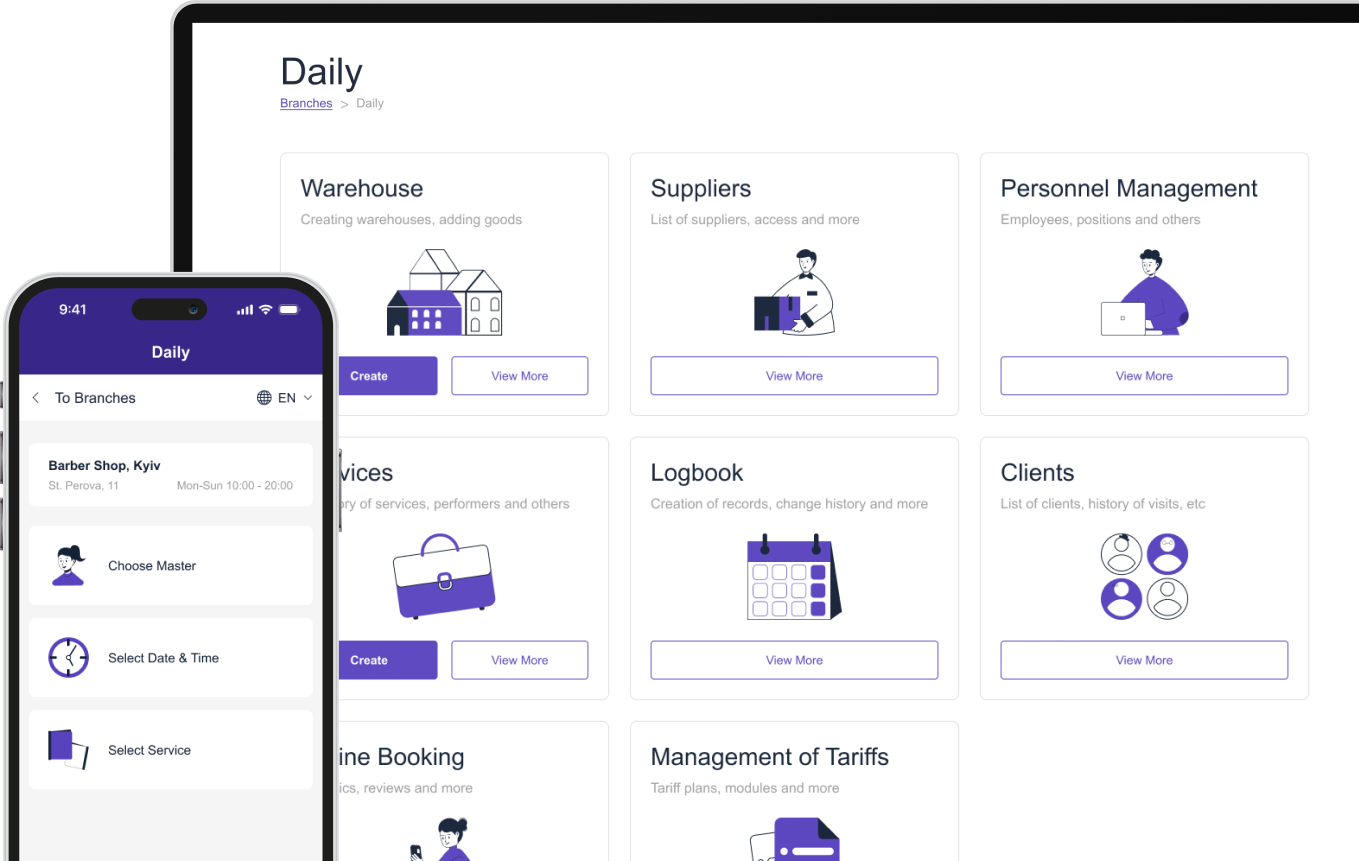
ME-POS's QR Menu follows a similar approach, allowing guests to scan a QR code and instantly access a digital menu without downloading an app. The menu can include photos, ingredients, allergens, portion options, and add-ons.
How QR Ordering Changed the Customer Experience
The biggest improvement was convenience.
Customers no longer needed to wait for an employee just to see the menu. They could scan the code as soon as they sat down and start browsing immediately.
Example
A customer arrives during the morning rush. Instead of waiting several minutes for a staff member, they scan the QR code and browse coffee, breakfast, and pastry options.
The employee can focus on preparing existing orders instead of repeatedly stopping to hand out menus or explain basic items.
That's where contactless ordering becomes useful. It removes unnecessary steps while keeping staff available for the parts of the experience where human interaction matters most.
Customers Could Browse at Their Own Pace
Traditional ordering can sometimes create pressure for customers to make a quick decision.
A digital menu gives them more freedom.
They can compare:
- Coffee sizes
- Ingredients
- Prices
- Breakfast options
- Desserts
- Add-ons
A well-designed digital menu can also make navigation easier through categories and search. ME-POS, for example, provides category navigation and menu search so guests can find dishes without scrolling through an entire menu.
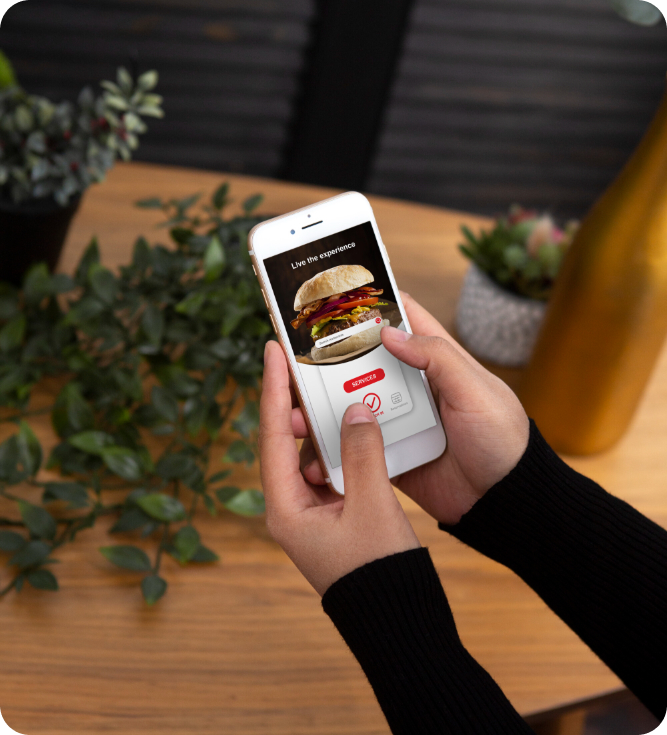
For groups, this is particularly convenient because each person can browse the menu on their own smartphone.
More Information Means Fewer Questions
The café also used its digital menu to provide more complete dish information.
Instead of asking staff whether a particular dish contained nuts, dairy, or another ingredient, customers could check the information themselves.
A digital menu can include:
- Ingredients
- Allergens
- Dietary labels
- Portion sizes
- Cooking time
- Photos
- Add-ons
This makes ordering more transparent and can reduce repetitive questions for employees.
ME-POS supports detailed dish pages with photos, ingredient information, allergen disclosures, portion sizes, and customization options.
The Café Reduced Pressure on Staff
The goal wasn't to replace employees.
The technology simply handled some routine parts of the ordering process.
Before QR ordering, employees had to spend time:
- Bringing menus
- Explaining dishes
- Answering repeated questions
- Taking basic orders
- Returning to tables
With digital ordering, customers could find much of this information independently.
That gave staff more time to prepare drinks, deliver food, clear tables, and interact with guests.
This is an important distinction: technology handled routine tasks while employees focused on hospitality.
The Menu Became Easier to Update
Another advantage was flexibility.
With printed menus, changing one price or removing a sold-out item could require replacing multiple copies.
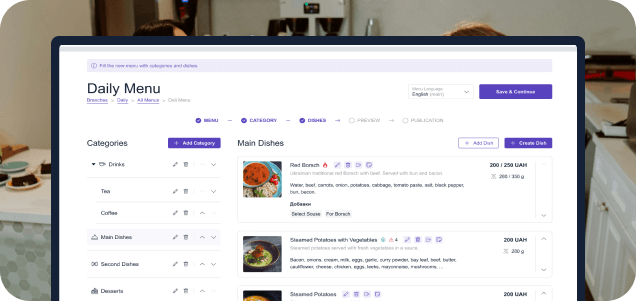
A digital menu can be updated through the restaurant's management system instead.
For example, the café could:
- Change a price
- Remove an unavailable drink
- Add a seasonal dessert
- Introduce a daily special
- Update a dish description
ME-POS allows restaurants to update digital menu information and keep customers looking at the latest version rather than relying on outdated printed information.
One System for Different Ordering Channels
The café also benefited from having different menu options for different customer needs.
A modern digital menu can support:
- Dine-in for customers sitting at tables
- Delivery for customers ordering remotely
- Pickup for customers collecting their orders
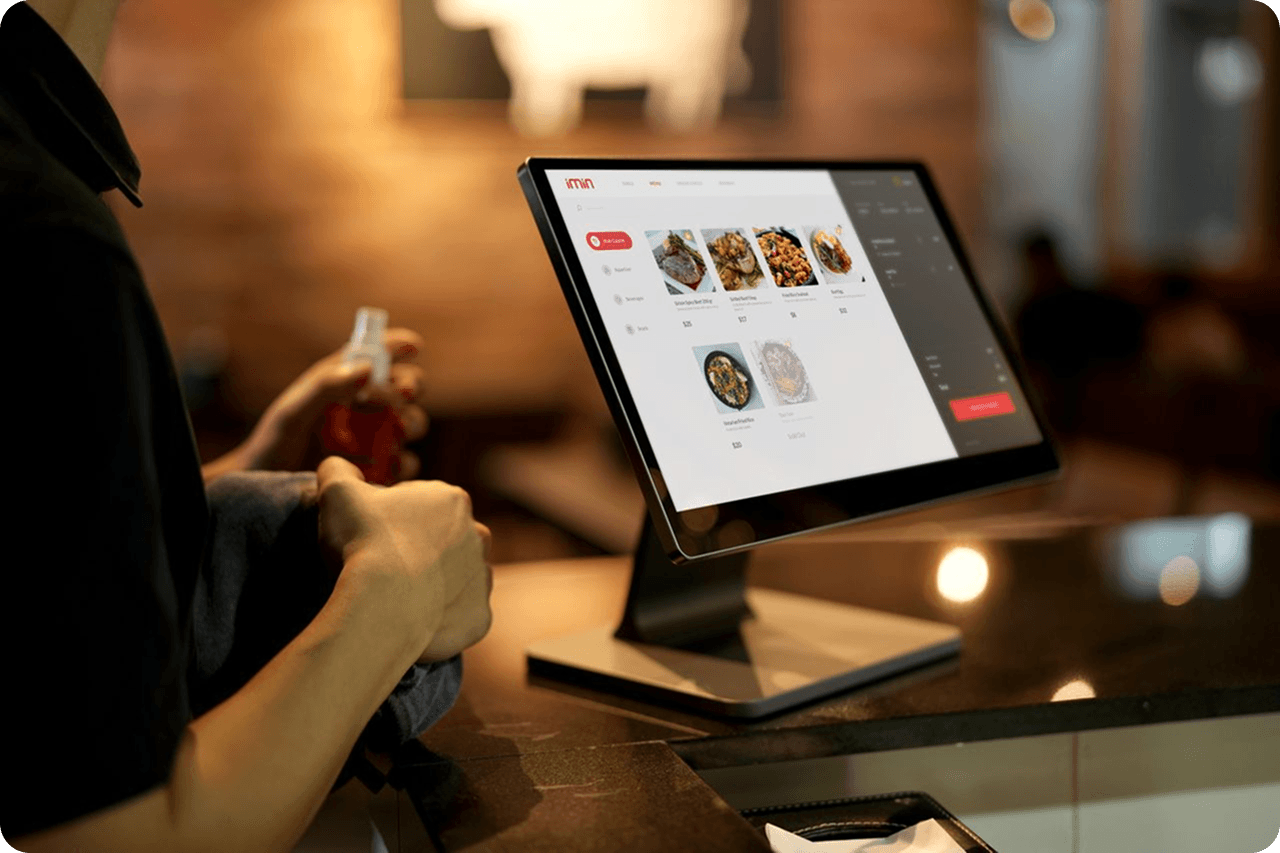
ME-POS supports these three menu types, allowing businesses to tailor what customers see depending on how they order.
Example
The dine-in menu might contain the café's full selection, while the pickup menu could focus on items that are quick to prepare and easy to transport.
This prevents customers from browsing options that aren't relevant to their order.
What Changed for the Café?
The café's experience can be summarized by looking at the customer and staff sides of the process.
Area
After QR Ordering
Example Calculation
Customer Benefit
Menu access
Wait for a printed menu
Scan and open instantly
Less waiting
Menu information
Ask staff
Browse detailed descriptions
More independence
Ordering process
Staff-led
Faster experience
Faster experience
Menu access
Reprint menus
Update digitally
More accurate information
Staff workload
Repetitive menu questions
More time for service
Better hospitality
Different services
One general menu
Dine-in, delivery, pickup options
More relevant choices
The important point is that QR ordering didn't simply change the format of the menu. It improved several steps in the customer journey at the same time.
A Better Experience Doesn't Mean Less Personal Service
Some café owners worry that digital ordering can make their business feel less personal.
But the technology doesn't have to replace human interaction.
In fact, reducing routine work can give employees more opportunities to provide personal service.
A barista can spend less time explaining where the menu is and more time recommending a coffee. A server can focus on helping a customer choose between two dishes instead of repeatedly answering questions about basic ingredients.
The technology handles information. The team provides hospitality.
How ME-POS Can Support a Café's Digital Menu
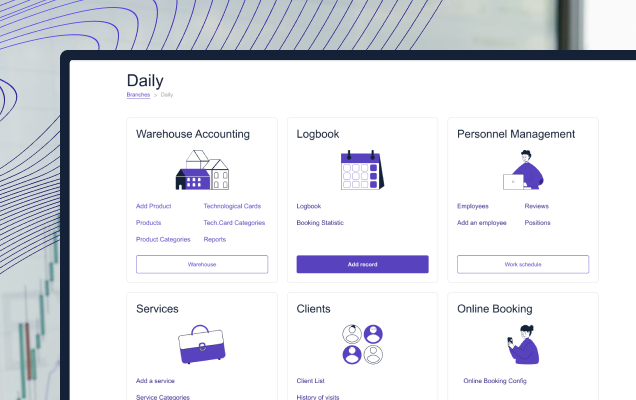
ME-POS provides a QR Menu App designed to help restaurants, cafés, bars, and other food businesses move from printed menus to a digital experience. Customers can scan a QR code, browse categories, search for dishes, and view detailed information from their smartphones.
The system also supports multiple languages, detailed dish information, add-ons, and separate menus for dine-in, delivery, and pickup. This makes it possible to manage different customer journeys from one platform.
For a growing café, this means the QR menu can become more than a digital replacement for paper. It can become part of the wider customer experience.
Start Your Me-Pos
Experience for Free!
Make sure that Me-Pos Online Booking meets your needs and requirements before making a final decision.
Use for Free
The Main Benefits of Café QR Ordering
The café's experience demonstrates how digital ordering can solve several everyday problems.
Customers get:
- Faster access to the menu
- More detailed information
- More freedom when choosing
- A convenient mobile experience
Employees get:
- Fewer repetitive questions
- Less manual menu handling
- More time for hospitality
- A smoother workflow
The business gets:
- Easier menu updates
- Less dependence on printed menus
- Flexible menus for different services
- A modern customer experience
Conclusion
The café didn't improve its customer experience by adding more complicated technology. It improved it by removing unnecessary steps.
With café QR ordering, customers could access information immediately, browse at their own pace, and make decisions with less waiting. At the same time, employees could spend less time handling routine menu requests and more time delivering personal service.
A QR code menu is therefore more than a contactless alternative to paper. When combined with a platform such as ME-POS, it can become an efficient part of the café's daily operations, supporting detailed menus, multiple languages, different service types, and quick updates.
For cafés looking to improve their restaurant customer experience, QR ordering offers a practical way to make service faster, information clearer, and everyday operations more efficient.
Frequently Asked Questions about QR Meni for Café
Yes. Small cafés can benefit from QR ordering because it can simplify menu access and reduce repetitive work during busy periods. It can be particularly useful when a small team needs to manage many customers at once.
Yes. A café can offer both options and allow customers to choose whichever they prefer. This can make the transition to digital ordering easier for regular customers.
Yes. Digital menus can provide detailed information such as ingredients, allergens, dietary labels, portion sizes, and other details that help customers make informed choices.
Yes. A café can create different menus for dine-in, delivery, and pickup, allowing each service to show the most relevant products, portions, and pricing.
No. Its main purpose is to reduce repetitive tasks and make ordering more efficient. Employees can then spend more time preparing orders, assisting customers, and providing the personal service that technology cannot replace.
Me-Pos Team
Last modified 21.08.2026.
Was This Article Helpful?
Click on a star to rate it!
Thank you for your vote!

Average Rating: 5/5 Votes: 1
Be the first to rate this post!
Share with Friends:










View more
Related Articles
446
5
Tattoo Shop Automation: Moving from Paper Journals to CRM Systems
The tattoo industry has grown rapidly over the past decade — with creativity, artistry, and client experience becoming more important than ever. Yet m...
Me-Pos Team
|
12.02.2026
|
6min
491
5
Online Booking & Digital Appointment Logs: Real Experience of a Small Nail Salon
Running a small nail salon is often a balancing act between delivering beautiful results and managing a constant stream of appointments, walk-ins, and...
Me-Pos Team
|
16.02.2026
|
6min
516
5
How a Beauty Salon Increased Revenue by Selling Retail Products to Clients
For many beauty salons, service appointments are the primary source of income. However, relying solely on services can limit revenue growth because ea...
Me-Pos Team
|
16.03.2026
|
8min
481
5
How a Car Wash Reduced Customer Wait Time with Online Booking
Long wait times are one of the biggest frustrations for customers visiting a car wash. Whether it’s a quick exterior wash or a full detailing service,...
Me-Pos Team
|
23.03.2026
|
10min
393
5
How a Bar Boosted Sales of Well Drinks Using a QR Menu
In the competitive bar industry, increasing sales doesn’t always require new products or expensive marketing campaigns. Sometimes, the biggest improve...
Me-Pos Team
|
04.05.2026
|
13min
How a Barbershop Improved Staff Productivity with Online Booking
Running a busy barbershop can feel like a constant race against the clock. Barbers are cutting hair, answering questions, checking schedules, taking p...
Me-Pos Team
|
14.09.2026
|
12min
614
4.7
How Online Booking Boosted Beauty Salon Clients by 30%: A Case Study
In today’s competitive beauty industry, convenience and accessibility are not just perks — they’re expectations. Traditional salons that relied on pho...
Me-Pos Team
|
09.02.2026
|
8min
446
5
Tattoo Shop Automation: Moving from Paper Journals to CRM Systems
The tattoo industry has grown rapidly over the past decade — with creativity, artistry, and client experience becoming more important than ever. Yet m...
Me-Pos Team
|
12.02.2026
|
6min
491
5
Online Booking & Digital Appointment Logs: Real Experience of a Small Nail Salon
Running a small nail salon is often a balancing act between delivering beautiful results and managing a constant stream of appointments, walk-ins, and...
Me-Pos Team
|
16.02.2026
|
6min
516
5
How a Beauty Salon Increased Revenue by Selling Retail Products to Clients
For many beauty salons, service appointments are the primary source of income. However, relying solely on services can limit revenue growth because ea...
Me-Pos Team
|
16.03.2026
|
8min
481
5
How a Car Wash Reduced Customer Wait Time with Online Booking
Long wait times are one of the biggest frustrations for customers visiting a car wash. Whether it’s a quick exterior wash or a full detailing service,...
Me-Pos Team
|
23.03.2026
|
10min
393
5
How a Bar Boosted Sales of Well Drinks Using a QR Menu
In the competitive bar industry, increasing sales doesn’t always require new products or expensive marketing campaigns. Sometimes, the biggest improve...
Me-Pos Team
|
04.05.2026
|
13min
How a Barbershop Improved Staff Productivity with Online Booking
Running a busy barbershop can feel like a constant race against the clock. Barbers are cutting hair, answering questions, checking schedules, taking p...
Me-Pos Team
|
14.09.2026
|
12min
614
4.7
How Online Booking Boosted Beauty Salon Clients by 30%: A Case Study
In today’s competitive beauty industry, convenience and accessibility are not just perks — they’re expectations. Traditional salons that relied on pho...
Me-Pos Team
|
09.02.2026
|
8min
View more
