
How to Track Employee Performance in a Service Business
Employees play a major role in the success of any service business. Whether you manage a beauty salon, restaurant, barbershop, cleaning company, fitness center or repair company, the quality of your team's work directly affects customer satisfaction, revenue, and daily operations.
But how do you know which employees are performing well, where your business needs improvement, and whether your team is using its time effectively?
Tracking employee performance helps business owners make informed decisions instead of relying on assumptions. By monitoring relevant indicators, reviewing customer feedback, and using management tools, you can understand how your team contributes to business results.
In this article, we'll explore which employee performance metrics matter, how to evaluate staff fairly, and how ME-POS can help service businesses organize employee management and monitor business performance.


Why Is Employee Performance Tracking Important?
Without a clear way to evaluate performance, it can be difficult to understand what's happening across your business. One employee may complete more appointments, another may receive better customer feedback, and someone else may consistently help the team during busy periods.
Tracking performance helps you identify these differences and understand what they mean for your operations.
Here are several important benefits:
- Improve service quality: Identify areas where employees may need additional training or support.
- Understand productivity: See how effectively your team handles appointments, orders, or other tasks.
- Recognize strong performance: Identify employees who consistently deliver good results.
- Improve scheduling: Understand workload distribution and make better use of available staff.
- Support business growth: Use performance information to make decisions about staffing, training, and service improvements.
- Increase accountability: Establish clear expectations and help employees understand their responsibilities.
The goal isn't to monitor every movement or turn the workplace into a competition. It's to understand how your business operates and give employees the support they need to do their jobs well.
Key Employee Performance Metrics to Track
The right metrics depend on your business type, services, and responsibilities. A beauty salon may focus on completed appointments and client retention, while a restaurant may pay more attention to order processing and service quality.
Here are some useful indicators to consider.
1. Number of Completed Appointments or Orders
This metric shows how many appointments, orders, or service tasks an employee completes during a specific period.
For example, a salon owner can compare the number of completed appointments handled by each stylist over a week. A restaurant manager might review how many orders a team member processes during a shift.
However, higher numbers don't automatically mean better performance. Some services take longer than others, and employees may have different schedules or responsibilities.
Consider workload and service complexity when comparing results.
2. Revenue Generated by Each Employee
Revenue can help you understand how individual employees contribute to business income.
For example, a beauty salon may review the value of services provided by each specialist. A repair business might compare the revenue associated with completed jobs.
This metric can help identify popular services, opportunities for additional training, and differences in workload.
However, revenue should not be the only performance indicator. Employees who handle complex or time-consuming tasks may generate less revenue while still providing excellent service.


3. Customer Satisfaction and Feedback
Customer experience is especially important in service businesses. Even if an employee completes many appointments, poor communication or inconsistent service can damage customer relationships.
You can evaluate customer satisfaction through:
- Customer reviews and ratings.
- Feedback forms and surveys.
- Complaints and service issues.
- Repeat visits and returning customers.
- Direct customer comments.
Look for recurring patterns rather than judging employees based on a single negative review. Feedback should help identify areas for improvement, not become the only measure of someone's performance.
4. Appointment Attendance and Punctuality
For businesses that operate by appointment, reliability matters. Late arrivals, missed shifts, and poor schedule coordination can affect customers and other employees.
Useful indicators include:
- Employee attendance.
- Punctuality at the start of shifts.
- Timely completion of scheduled appointments.
- Frequency of schedule changes.
- Ability to follow assigned working hours.
Consider legitimate reasons for absences and schedule adjustments. The purpose is to understand operational reliability, not penalize employees for circumstances outside their control.
5. Service Completion Time
The time required to complete a service can reveal useful information about workflow efficiency.
For example, a barbershop may review how long different haircut services usually take. A repair company may compare the time needed for similar jobs.
Tracking completion time can help identify scheduling problems, unrealistic service durations, or opportunities to improve processes.
Speed should never come at the expense of quality. A faster appointment isn't necessarily a better one if the customer leaves dissatisfied.
6. Repeat Customers and Client Retention
Returning customers can indicate that people are satisfied with the service they receive. If clients regularly request the same specialist or return after a previous appointment, this may suggest strong customer relationships.
You can review repeat visits, returning customer patterns, and service preferences where your business systems provide this information.
Remember that retention depends on more than employee performance. Pricing, location, service availability, and overall business reputation also influence whether customers return.
Employee Performance Metrics at a Glance
The following table summarizes useful indicators for different service businesses.
Performance Metric
What to Measure
Example
Productivity
Completed appointments, orders, or tasks
Appointments completed by a stylist
Revenue
Value of services or sales
Revenue generated by a specialist
Customer satisfaction
Reviews, ratings, and feedback
Customer ratings after a treatment
Attendance
Punctuality and scheduled hours
On-time shift arrivals
Service efficiency
Time required to complete services
Average haircut duration
Customer retention
Repeat visits and returning clients
Clients who book another appointment
Workload
Number and distribution of assigned tasks
Appointments assigned to each employee
You don't need to track every metric from the beginning. Choose indicators that reflect your business goals and the responsibilities of each role.
How to Track Employee Performance Effectively
Collecting information is only the first step. To make performance tracking useful, you need a consistent process for reviewing results and turning them into practical improvements.
1. Set Clear Performance Goals
Employees should understand what good performance means in their roles. Establish expectations that are realistic, measurable, and relevant to their responsibilities.
For example:
- A beauty specialist may focus on service quality, punctuality, and customer feedback.
- A restaurant employee may be evaluated on order accuracy, teamwork, and customer service.
- A fitness instructor may focus on class preparation, attendance, and participant feedback.
- An auto repair may be evaluated on completed jobs, service quality, and customer satisfaction.
Avoid using identical targets for employees with different responsibilities. Goals should reflect the actual work each person performs.
2. Collect Data Consistently
Performance reviews are more useful when they're based on regular observations rather than occasional impressions.
Decide which indicators you'll monitor and how often you'll review them. Some metrics, such as completed appointments, may be checked weekly, while customer retention may be more meaningful over several months.
Use consistent reporting periods so you can compare results fairly.
3. Use Business Management Software
Manually collecting information from paper schedules, spreadsheets, and separate systems can become time-consuming.
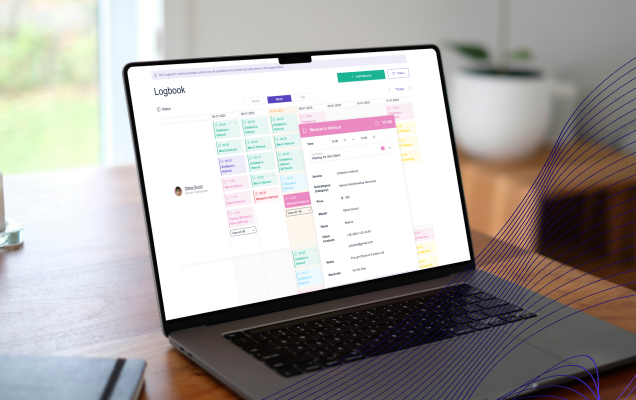
Business management software can bring important operational information together, making it easier to review schedules, services, sales, and other available performance indicators.
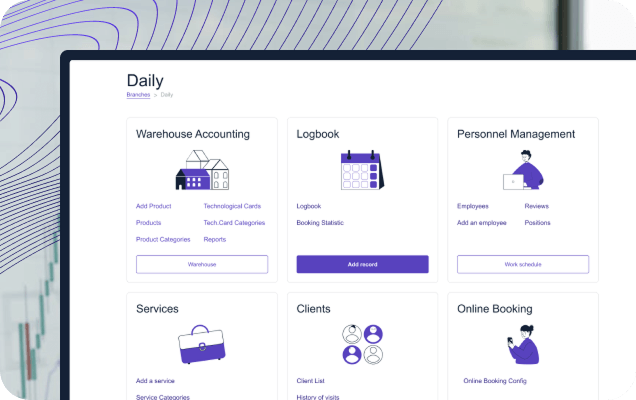
ME-POS provides tools for employee management and business operations that can support a more organized approach to staff oversight. Depending on the available functionality and configuration, businesses can use relevant operational data to understand workloads and evaluate results.
4. Review Performance Regularly
Don't wait until the end of the year to discuss performance. Regular reviews help identify problems early and give employees opportunities to improve.
You might schedule short weekly check-ins for operational matters and more detailed monthly or quarterly reviews.
During these conversations, discuss achievements, challenges, customer feedback, and possible improvements. Give employees a chance to explain their perspective as well.

5. Provide Feedback and Training
Performance tracking should lead to action. If an employee struggles with a particular task, identify the reason and provide appropriate support.
For example, if customer feedback highlights communication problems, additional customer service training may help. If appointments frequently run longer than expected, review service procedures and scheduling assumptions.
Recognize good results too. Employees are more likely to stay engaged when their efforts and achievements are acknowledged.
How ME-POS Helps Manage Employees in a Service Business
Managing a service team involves more than checking individual results. Business owners also need to coordinate employees, organize services, maintain working schedules, and manage daily operations.
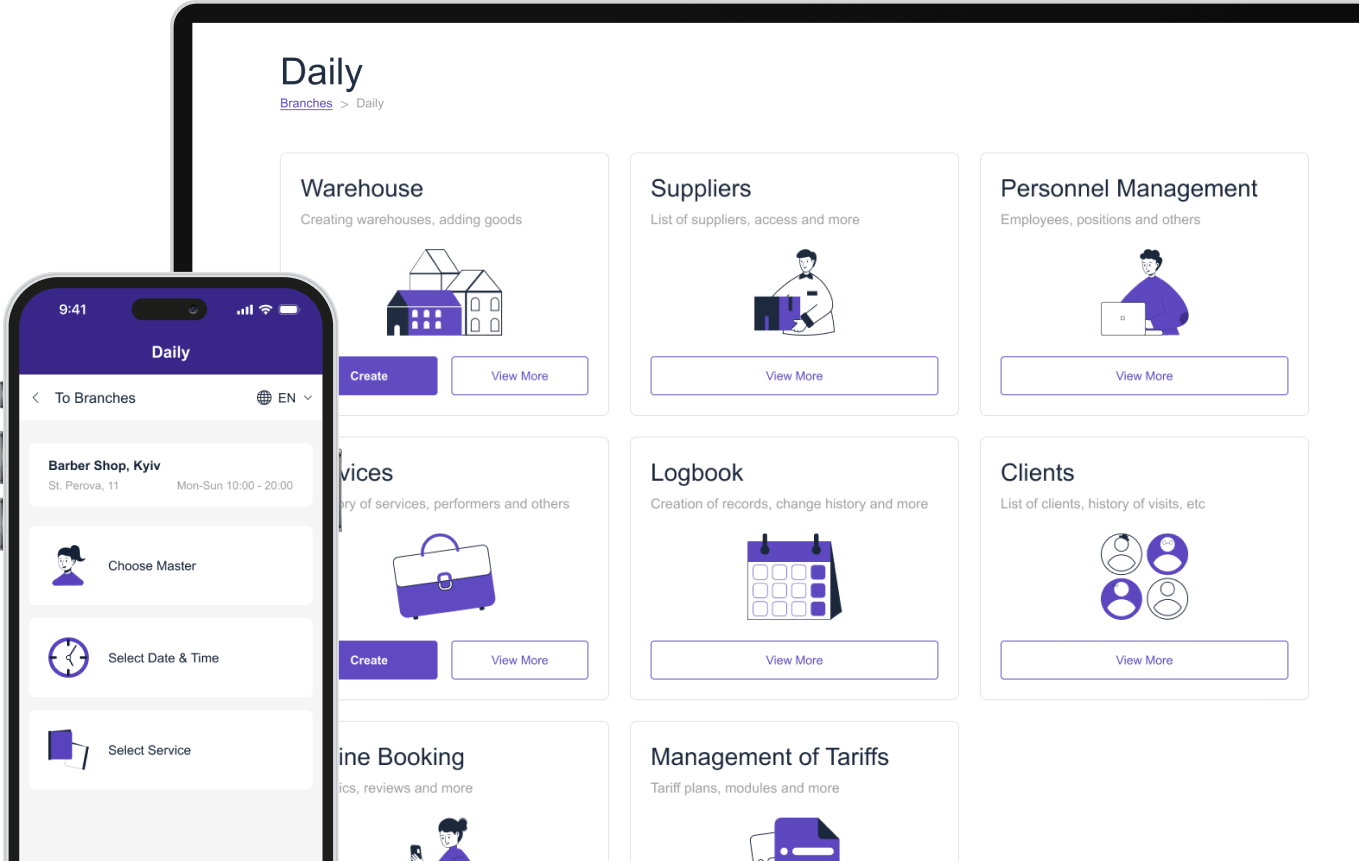
ME-POS offers employee and business management functionality that can help service businesses keep these processes organized.
Depending on the modules and features used, ME-POS can support the following activities:
- Employee management: Organize employee information and manage staff within your business.
- Service management: Maintain a structured list of services offered by your company.
- Working hours management: Configure employee schedules and business availability.
- Online booking: Organize appointments around available services, staff, and working hours.
- Business reporting: Review available operational and sales information to understand how the business is performing.
For example, a beauty salon can organize its specialists, assign services, and configure working hours. Online booking can help coordinate appointments with employee availability, while business information can support decisions about workload and service organization.
It's important to distinguish between operational data and dedicated employee analytics. The information available for evaluating individual performance depends on the specific ME-POS functionality and reporting options configured for your business.

Start Your Me-Pos
Experience for Free!
Make sure that Me-Pos Online Booking meets your needs and requirements before making a final decision.
Use for Free

Common Mistakes to Avoid When Tracking Employee Performance
Performance tracking can become counterproductive if you focus on the wrong indicators or use information without considering context.
Avoid these common mistakes:
- Measuring only revenue: Sales figures don't show the full quality of an employee's work.
- Comparing employees unfairly: Different roles, schedules, and service types require different expectations.
- Ignoring customer feedback: Productivity matters, but customer experience is equally important.
- Tracking too many metrics: Focus on indicators that help you make meaningful decisions.
- Using data to punish employees: Performance information should support improvement and accountability.
- Ignoring employee feedback: Ask staff about workflow problems and challenges they experience.
- Reviewing results too rarely: Regular reviews make it easier to identify patterns and respond to problems.
A balanced approach combines measurable results with communication, observation, and an understanding of each employee's responsibilities.
Conclusion
Tracking employee performance helps service businesses understand how their teams work, identify opportunities for improvement, and maintain consistent service quality.
Start with a few relevant indicators, such as completed appointments, revenue, customer feedback, attendance, and repeat visits. Set clear expectations, collect information consistently, and review results regularly.
Most importantly, use performance data to support employees rather than simply judge them. Recognize strong results, address challenges constructively, and provide training when needed.
With ME-POS, service businesses can organize employees, services, working hours, and booking operations in one management environment. Combined with a clear performance evaluation process, these tools can help create a more efficient and well-organized team.
Frequently Asked Questions
There isn't one universal metric. Productivity, customer satisfaction, revenue, attendance, and client retention all provide different insights. The most useful indicators depend on an employee's responsibilities and your business goals.
Operational indicators can be reviewed weekly or monthly, while broader performance discussions may take place quarterly. Choose a schedule that allows you to identify patterns without creating unnecessary administrative work.
A simple spreadsheet can be enough to start. Record relevant information such as completed appointments, customer feedback, attendance, and sales. As the business grows, management software can help organize more of these processes.
No. Quantitative metrics should be combined with customer feedback, teamwork, communication, service quality, and professional development. Numbers provide useful evidence, but they don't explain every aspect of an employee's contribution.
ME-POS offers employee management, service organization, working hours, online booking, and business management functionality. These tools can help service businesses coordinate staff and organize daily operations, while available reports can provide additional information for business evaluation.
Me-Pos Team
Last modified 02.11.2026
Was This Article Helpful?
Click on a star to rate it!
Thank you for your vote!

Average Rating: 5/5 Votes: 1
Be the first to rate this post!
Share with Friends:


















































View more
Related Articles

What Is E-Booking and How It Can Elevate Your Hotel's Success
The hospitality industry is evolving rapidly, and the integration of technology plays a critical role in shaping guest experiences. One of the most tr...
Me-Pos Team
|
01.08.2025
|
10min

How to Manage Multiple Business Locations in One CRM System
Managing several business locations can be challenging when each branch uses separate tools, spreadsheets, or reporting processes. Business owners nee...
Me-Pos Team
|
12.10.2026
|
14min

140
5
How to Set Up Online Booking by Staff, Services, and Working Hours
Managing appointments manually can become complicated as your business grows. Whether you run a beauty salon, restaurant, hotel, sports club, or anoth...
Me-Pos Team
|
21.09.2026
|
11min
142
5
How to Update Your Restaurant Menu Without Reprinting for Seasonal and Limited-Time Offers
Restaurant menus rarely stay the same all year. A summer café may want to add fresh salads and cold drinks, while a restaurant might introduce pumpkin...
Me-Pos Team
|
09.09.2026
|
11min

309
5
How QR Menus Reduce Staff Workload and Improve Table Turnover
The restaurant industry is constantly searching for ways to improve efficiency, reduce operational costs, and provide better customer experiences. In ...
Me-Pos Team
|
02.06.2026
|
13min

349
5
How Inventory Tracking Prevents Losses in Service Businesses
In service-based businesses like beauty salons, spas, tattoo studios, and car washes, inventory often goes unnoticed — until it starts causing problem...
Me-Pos Team
|
14.04.2026
|
10min
447
5
How to Build an Efficient Staff Schedule for Service Businesses
Creating an efficient staff schedule is one of the most important — and often overlooked — aspects of running a successful service business. Whether y...
Me-Pos Team
|
06.04.2026
|
9min

859
5
KPIs for Beauty Salon Staff: How to Measure Employee Performance and Efficiency
Running a successful beauty salon isn’t just about offering great services or stylish interiors — it’s about building a high-performing team. Your sty...
Me-Pos Team
|
23.02.2026
|
8min

1126
5
Best Non-Slip Restaurant Shoes
In the bustling environment of a restaurant, safety, and comfort are paramount for the well-being of workers. Non-slip restaurant industry shoes are c...
Me-Pos Team
|
30.09.2024
|
12min

976
5
Guide on How to Start a Hotel Business: All You Need to Know
Starting a hotel business can be an exciting and rewarding venture, but it requires careful planning, significant investment, and a thorough understan...
Me-Pos Team
|
30.07.2025
|
10min

992
5
Restaurant Floor Planning: Strategies for Optimal Space Utilization
Designing the floor plan of a restaurant is one of the most crucial steps to building a thriving business. It’s more than just arranging tables—it’s a...
Me-Pos Team
|
09.04.2025
|
8min

1166
5
What Is a Barback? Understanding the Role and Responsibilities
In a bar, the barback is the hero working behind the scenes, keeping everything running smoothly. While bartenders are out there mixing drinks and cha...
Me-Pos Team
|
13.03.2025
|
8min

1247
5
Essential Retail KPIs: Measuring Success and Growth
Running a retail business is a balancing act. You have to manage products, customers, employees, and the store itself, all while trying to turn a prof...
Me-Pos Team
|
19.12.2024
|
14min

Mastering Customer Retention: How to Create Loyalty Programs?
Customer retention refers to a company’s ability to keep its customers over a sustained period, ensuring they continue to choose its products or servi...
Me-Pos Team
|
17.12.2024
|
15min

1304
5
What is a Warehouse Management System: All You Need to Know
In the rapidly evolving landscape of supply chain and logistics, efficient warehouse management has become a cornerstone of business success. As compa...
Me-Pos Team
|
13.12.2024
|
18min

951
4.9
How to Ask a Customer for Review and Feedback: Build Your Reputation
Gathering customer reviews is essential for any business looking to build trust, improve services, and grow its online presence. However, how to ask c...
Me-Pos Team
|
31.07.2025
|
10min

701
4.7
Choosing the Best CRM for Realtors: Key Features and Considerations
Real estate is one of the most competitive industries out there. Whether you’re managing dozens of properties, closing sales with clients, or running ...
Me-Pos Team
|
09.04.2025
|
6min
What Is E-Booking and How It Can Elevate Your Hotel's Success
The hospitality industry is evolving rapidly, and the integration of technology plays a critical role in shaping guest experiences. One of the most tr...
Me-Pos Team
|
01.08.2025
|
10min
How to Manage Multiple Business Locations in One CRM System
Managing several business locations can be challenging when each branch uses separate tools, spreadsheets, or reporting processes. Business owners nee...
Me-Pos Team
|
12.10.2026
|
14min
140
5
How to Set Up Online Booking by Staff, Services, and Working Hours
Managing appointments manually can become complicated as your business grows. Whether you run a beauty salon, restaurant, hotel, sports club, or anoth...
Me-Pos Team
|
21.09.2026
|
11min
142
5
How to Update Your Restaurant Menu Without Reprinting for Seasonal and Limited-Time Offers
Restaurant menus rarely stay the same all year. A summer café may want to add fresh salads and cold drinks, while a restaurant might introduce pumpkin...
Me-Pos Team
|
09.09.2026
|
11min
309
5
How QR Menus Reduce Staff Workload and Improve Table Turnover
The restaurant industry is constantly searching for ways to improve efficiency, reduce operational costs, and provide better customer experiences. In ...
Me-Pos Team
|
02.06.2026
|
13min
349
5
How Inventory Tracking Prevents Losses in Service Businesses
In service-based businesses like beauty salons, spas, tattoo studios, and car washes, inventory often goes unnoticed — until it starts causing problem...
Me-Pos Team
|
14.04.2026
|
10min
447
5
How to Build an Efficient Staff Schedule for Service Businesses
Creating an efficient staff schedule is one of the most important — and often overlooked — aspects of running a successful service business. Whether y...
Me-Pos Team
|
06.04.2026
|
9min
859
5
KPIs for Beauty Salon Staff: How to Measure Employee Performance and Efficiency
Running a successful beauty salon isn’t just about offering great services or stylish interiors — it’s about building a high-performing team. Your sty...
Me-Pos Team
|
23.02.2026
|
8min
1126
5
Best Non-Slip Restaurant Shoes
In the bustling environment of a restaurant, safety, and comfort are paramount for the well-being of workers. Non-slip restaurant industry shoes are c...
Me-Pos Team
|
30.09.2024
|
12min
976
5
Guide on How to Start a Hotel Business: All You Need to Know
Starting a hotel business can be an exciting and rewarding venture, but it requires careful planning, significant investment, and a thorough understan...
Me-Pos Team
|
30.07.2025
|
10min
992
5
Restaurant Floor Planning: Strategies for Optimal Space Utilization
Designing the floor plan of a restaurant is one of the most crucial steps to building a thriving business. It’s more than just arranging tables—it’s a...
Me-Pos Team
|
09.04.2025
|
8min
1166
5
What Is a Barback? Understanding the Role and Responsibilities
In a bar, the barback is the hero working behind the scenes, keeping everything running smoothly. While bartenders are out there mixing drinks and cha...
Me-Pos Team
|
13.03.2025
|
8min
1247
5
Essential Retail KPIs: Measuring Success and Growth
Running a retail business is a balancing act. You have to manage products, customers, employees, and the store itself, all while trying to turn a prof...
Me-Pos Team
|
19.12.2024
|
14min
Mastering Customer Retention: How to Create Loyalty Programs?
Customer retention refers to a company’s ability to keep its customers over a sustained period, ensuring they continue to choose its products or servi...
Me-Pos Team
|
17.12.2024
|
15min
1304
5
What is a Warehouse Management System: All You Need to Know
In the rapidly evolving landscape of supply chain and logistics, efficient warehouse management has become a cornerstone of business success. As compa...
Me-Pos Team
|
13.12.2024
|
18min
951
4.9
How to Ask a Customer for Review and Feedback: Build Your Reputation
Gathering customer reviews is essential for any business looking to build trust, improve services, and grow its online presence. However, how to ask c...
Me-Pos Team
|
31.07.2025
|
10min
701
4.7
Choosing the Best CRM for Realtors: Key Features and Considerations
Real estate is one of the most competitive industries out there. Whether you’re managing dozens of properties, closing sales with clients, or running ...
Me-Pos Team
|
09.04.2025
|
6min
View more
