
QR Menu vs Traditional Menu: Cost, Efficiency, and Customer Experience
The restaurant industry has changed dramatically in recent years. As customer expectations evolve and operational costs continue to rise, businesses are looking for smarter ways to improve efficiency while delivering better service.
One of the biggest shifts has been the transition from traditional printed menus to QR-based digital menus. What was once considered a modern extra has now become an essential tool for restaurants, cafés, bars, and food service businesses.
But is a QR menu really better than a traditional menu?
The answer depends on three key factors:
- Cost
- Operational efficiency
- Customer experience
Let’s compare both approaches and explore why more restaurants are choosing QR menu systems like ME-POS in 2026.

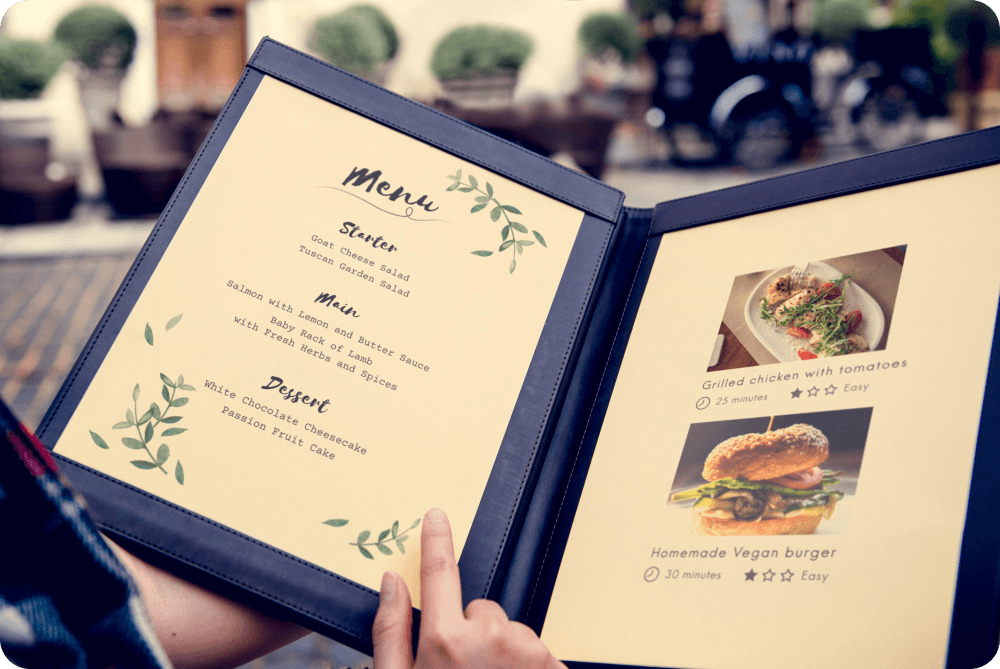
What Is a Traditional Menu?
A traditional menu is a printed physical menu handed to guests by staff.
Restaurants have used printed menus for decades because they are simple and familiar. However, they also come with limitations, especially in modern fast-changing environments.
Traditional menus require:
- Printing and reprinting
- Manual updates
- Physical handling by staff
- Fixed content and pricing
While they still work for some businesses, they often lack flexibility and scalability.
What Is a QR Menu?
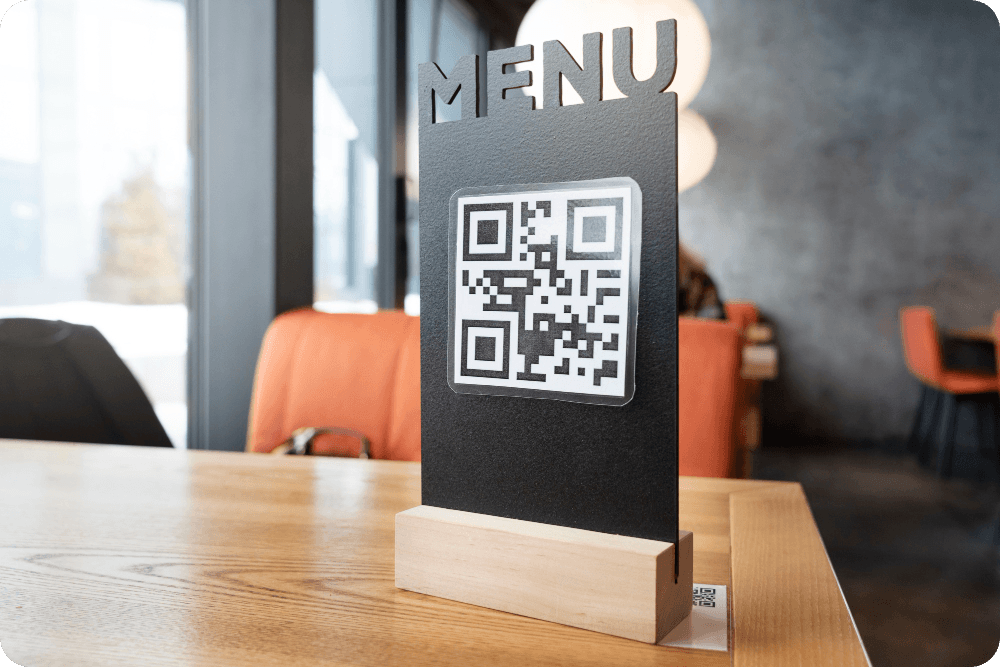
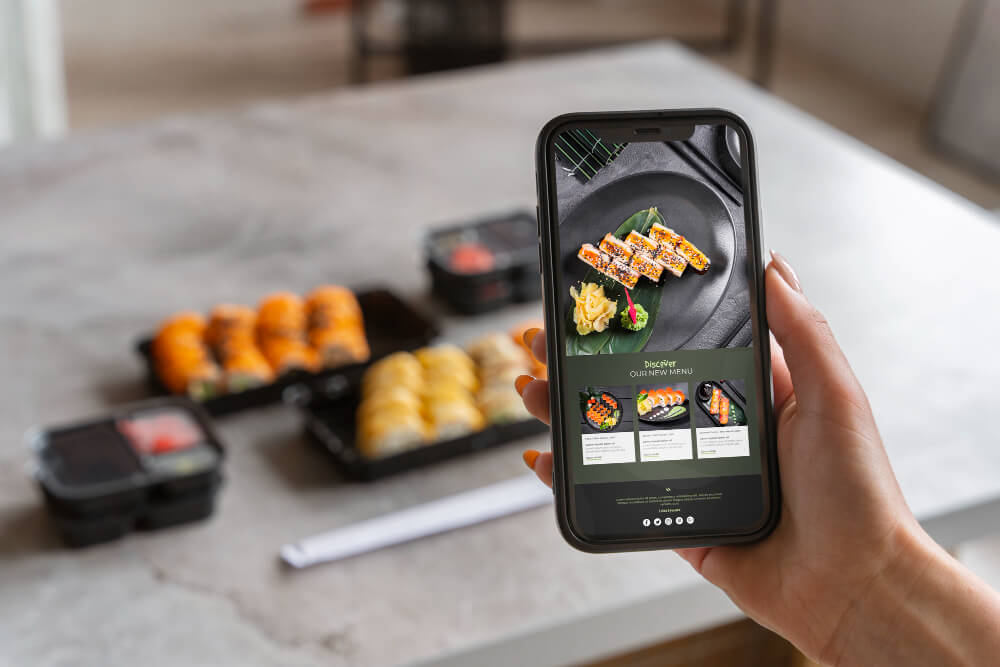
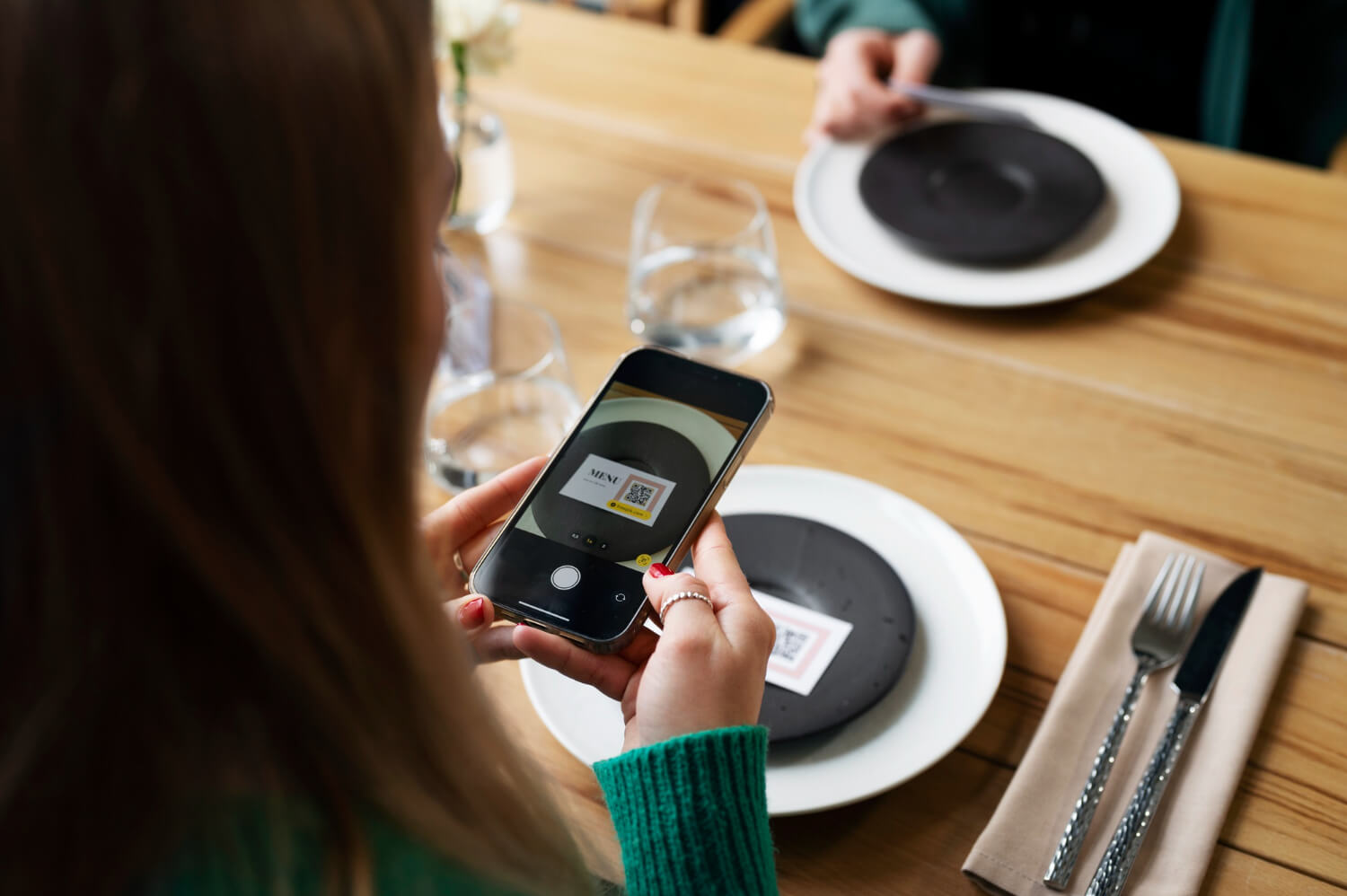
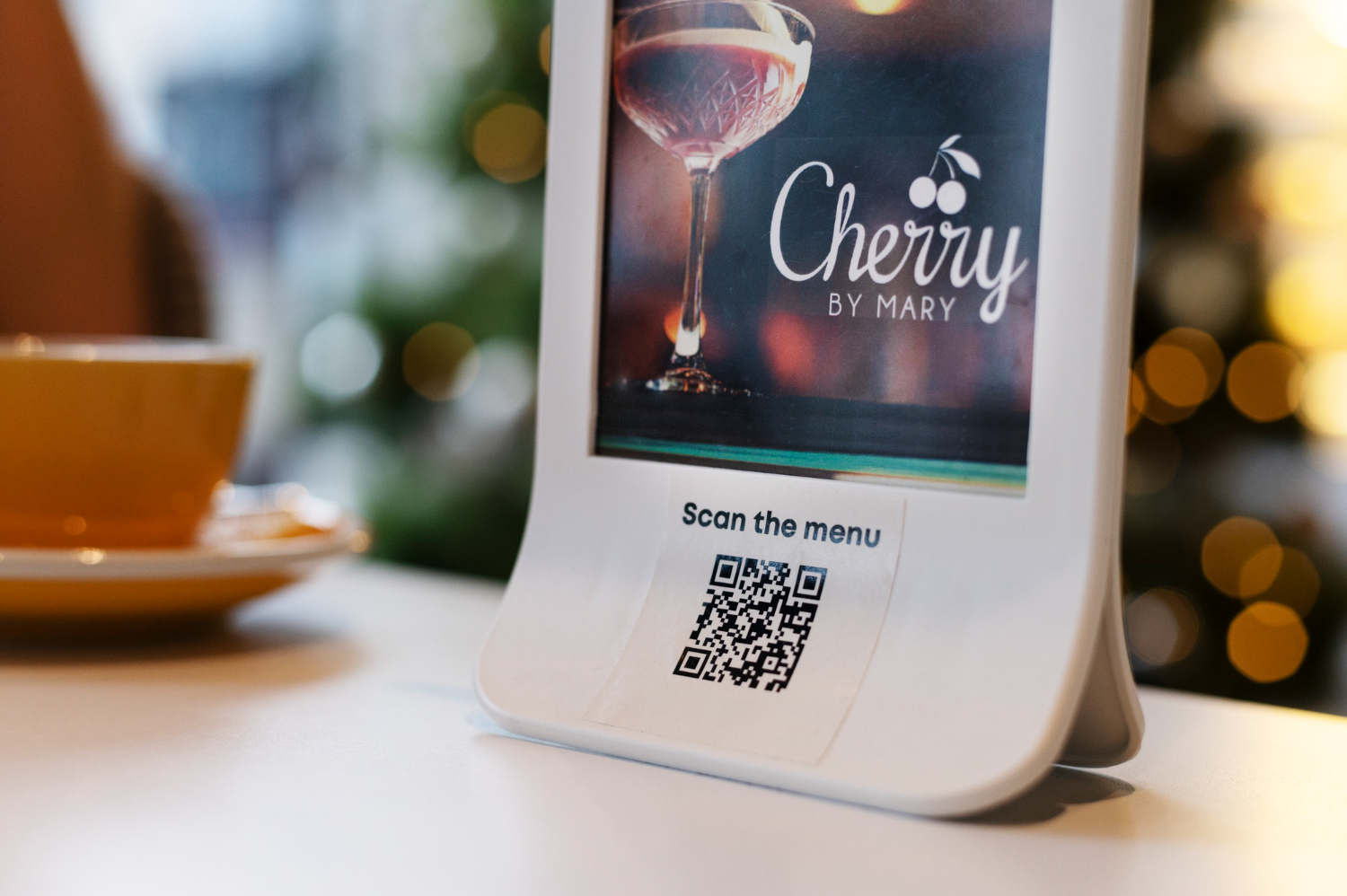
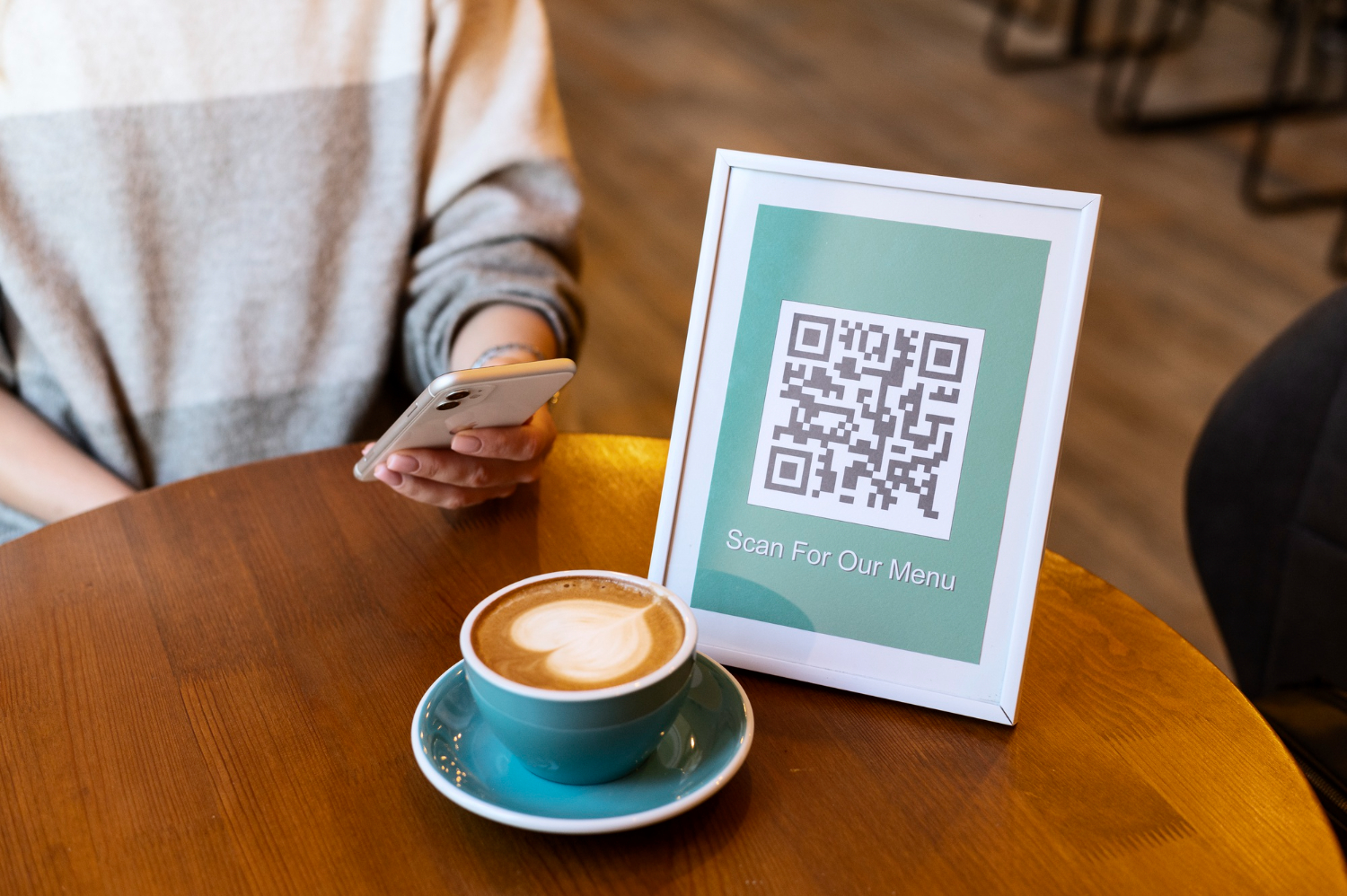
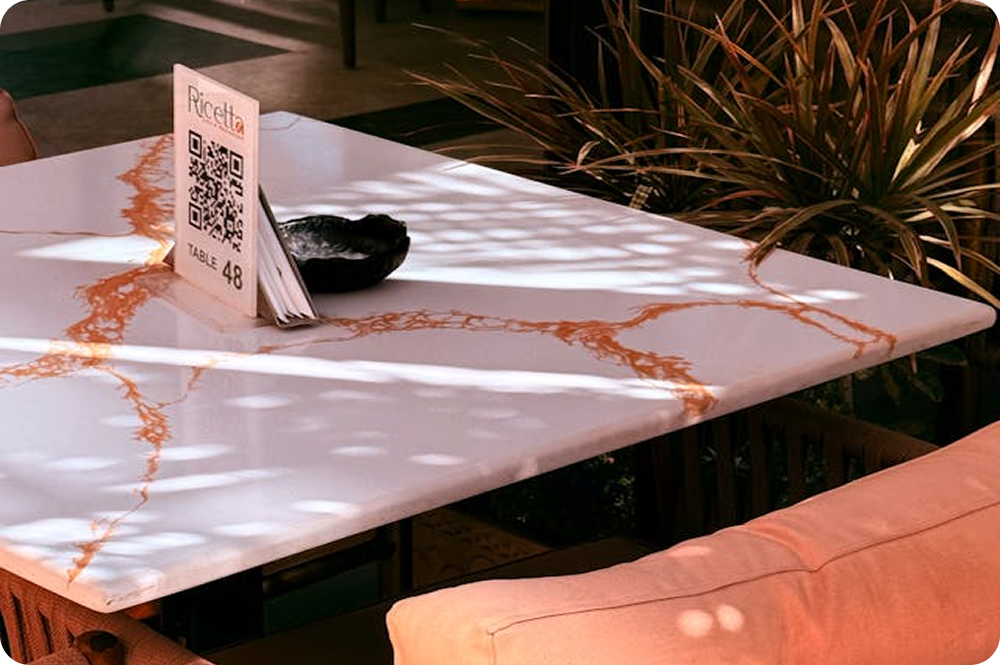
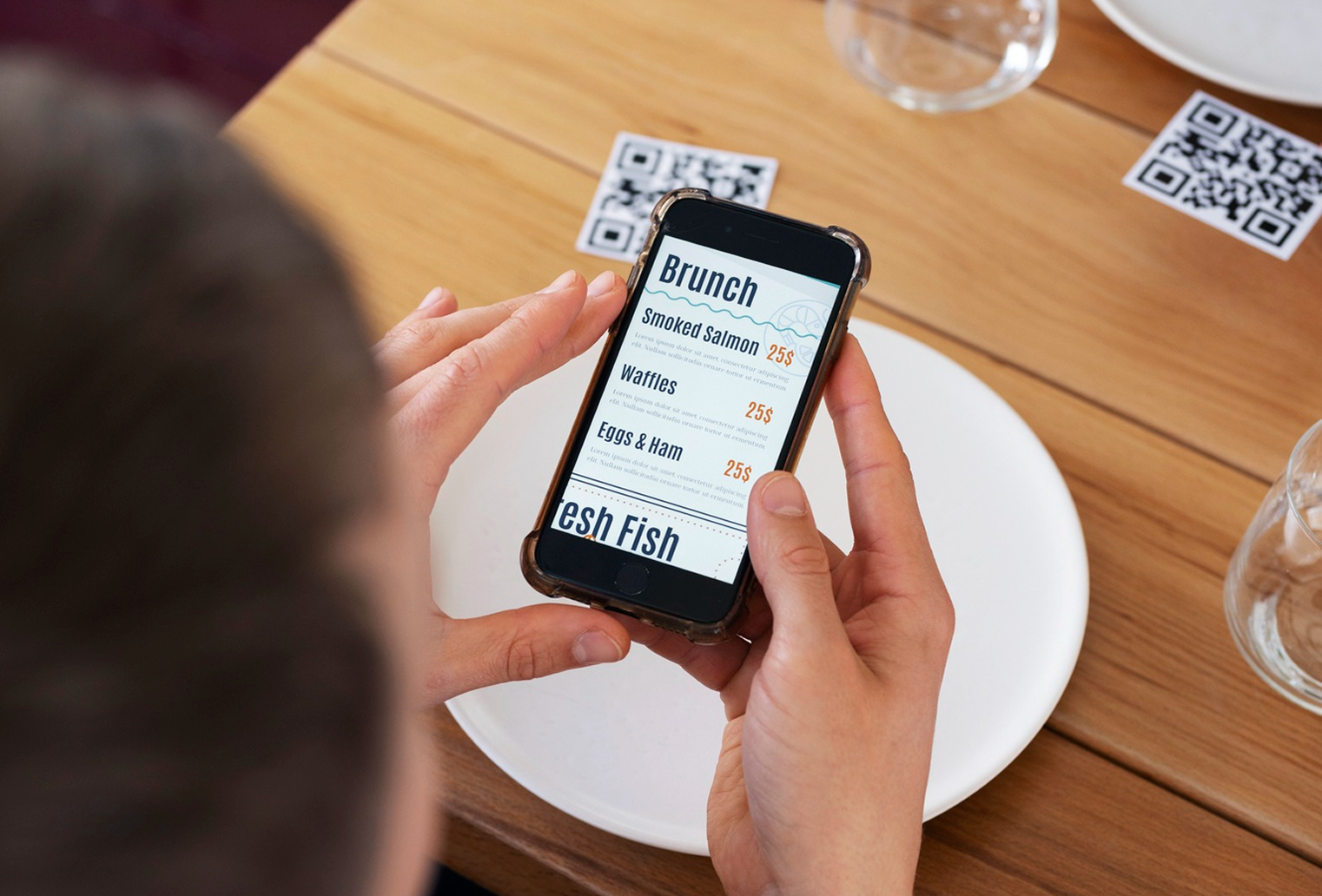
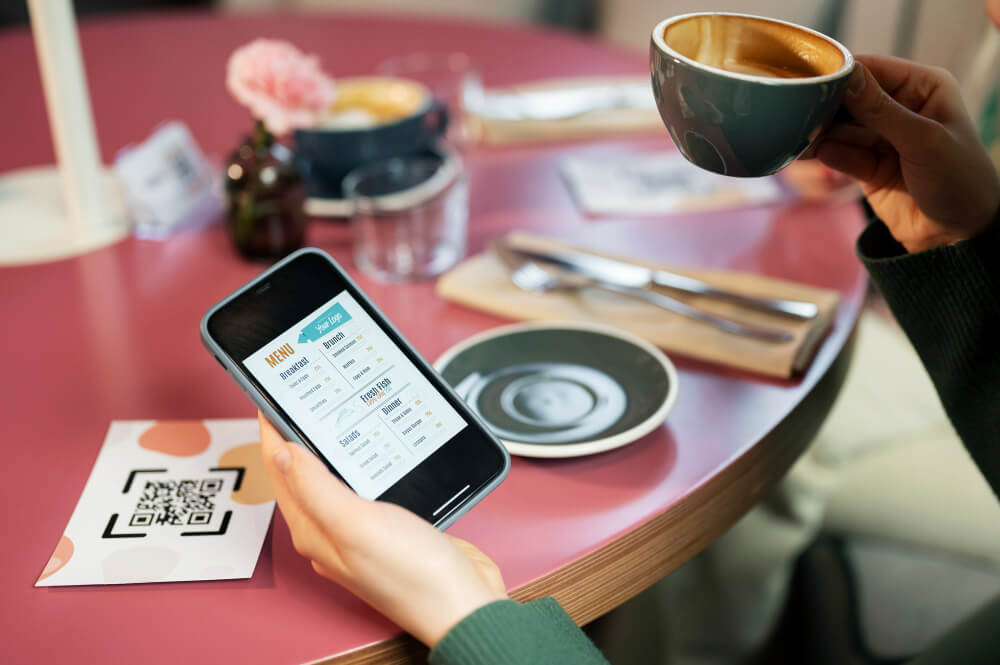
A QR menu is a digital menu accessed by scanning a QR code with a smartphone.
Instead of waiting for a server to bring a printed menu, customers simply scan the code and instantly view the menu online.
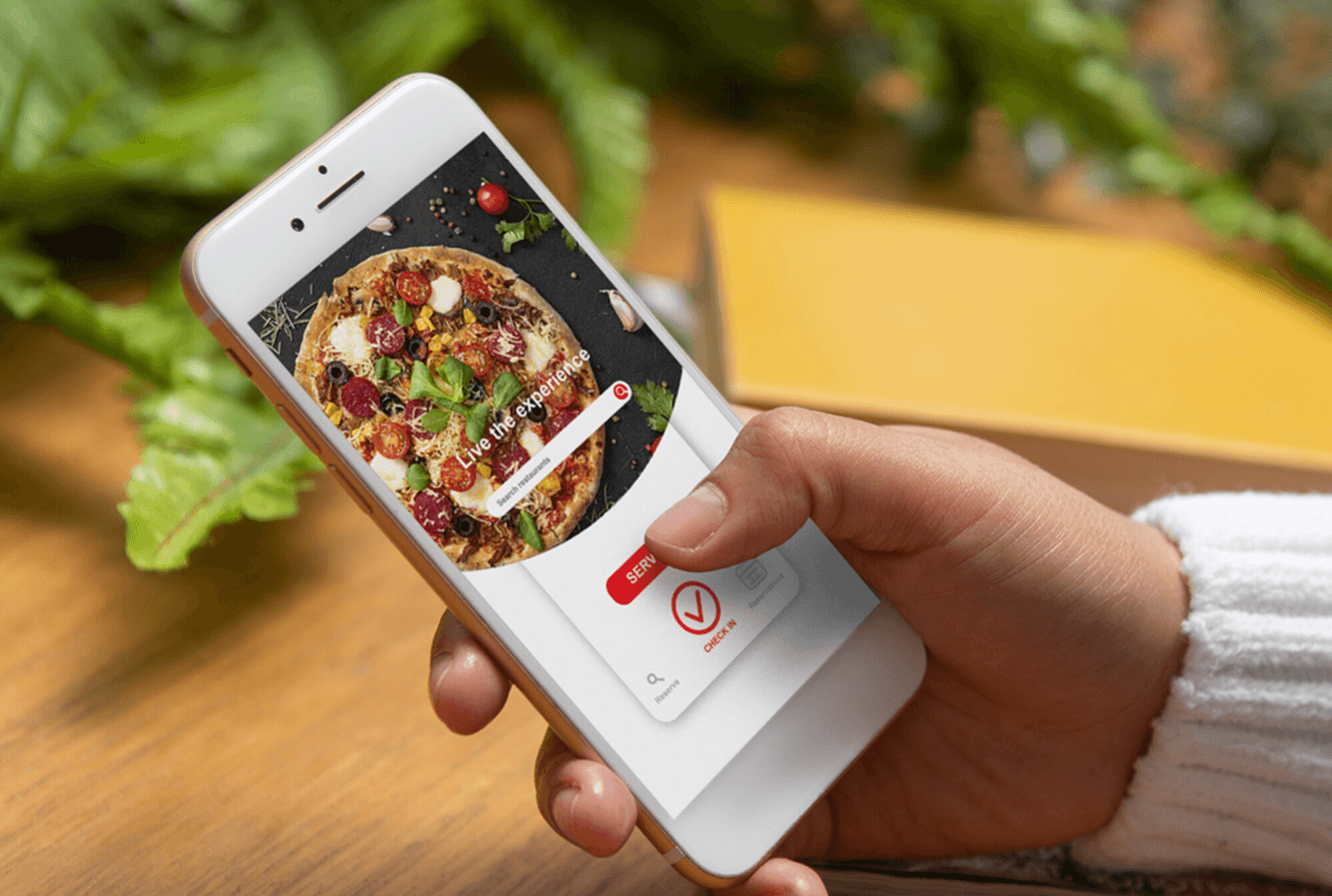
Modern QR menu systems like ME-POS offer much more than a digital PDF. Restaurants can:
- Create unlimited menus
- Manage dine-in, delivery, and pickup menus separately
- Update items in real time
- Add photos and multilingual support
- Promote specific dishes or drinks
- Change menu content without replacing QR codes
This turns the menu into an interactive operational and marketing tool.
Start Your Me-Pos
Experience for Free!
Make sure that Me-Pos Online Booking meets your needs and requirements before making a final decision.
Use for Free
Cost Comparison: QR Menu vs Traditional Menu
One of the biggest reasons restaurants switch to QR menus is cost reduction.
Printed menus may seem inexpensive initially, but over time they create ongoing expenses.

Traditional Menu Costs
Restaurants regularly spend money on:
- Printing new menus
- Replacing damaged menus
- Updating prices
- Seasonal redesigns
- Staff time for menu distribution
Example:
If a restaurant changes prices every few months:
- New menus must be printed repeatedly
- Old menus become unusable
- Staff must manually replace all copies
For businesses with large menus, multiple locations, or seasonal promotions, these costs add up quickly.
QR Menu Costs
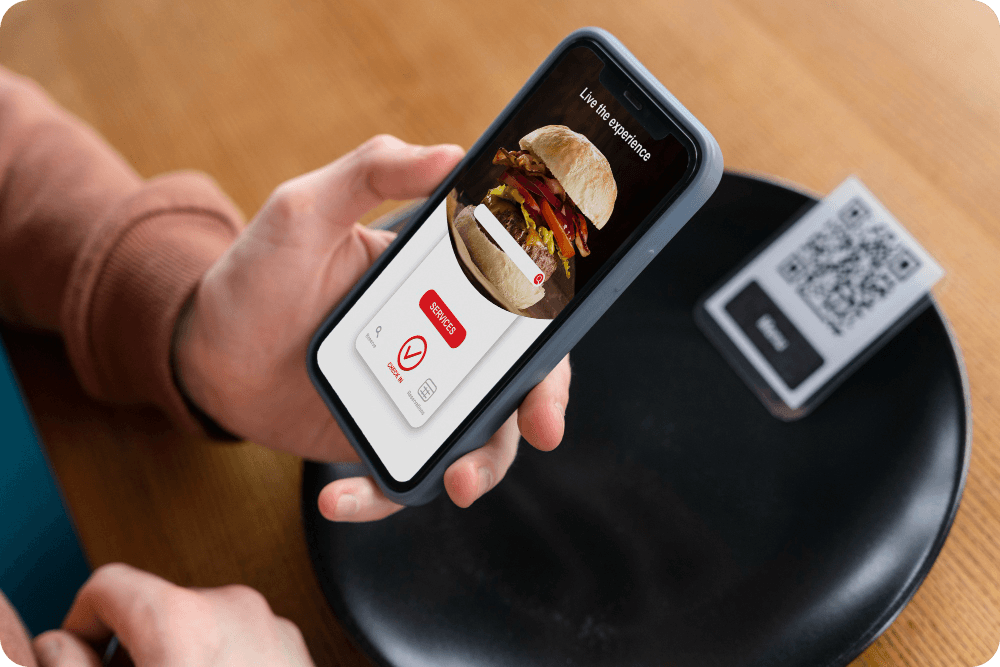
QR menus dramatically reduce these expenses.
With systems like ME-POS:
- QR codes are printed once
- Menu updates happen digitally
- No reprinting is required
- Promotions can be changed instantly
Example:
A café launches a holiday drink menu:
- Traditional menu → requires redesign and reprinting
- QR menu → update appears instantly in the admin panel
This saves both time and money.
Cost Comparison Table
Factor
Traditional Menu
QR Menu
Business Impact
Printing Costs
Ongoing
Minimal
Lower operational expenses
Menu Updates
Expensive & slow
Instant & free
Greater flexibility
Seasonal Changes
Requires reprinting
Real-time editing
Faster marketing
Damage Replacement
Frequent
Not required
Reduced waste
Multiple Menu Types
Expensive to maintain
Unlimited digital menus
Better scalability
The long-term financial advantage of QR menus is significant.
Efficiency Comparison
Operational efficiency is critical in restaurants, especially during busy hours.
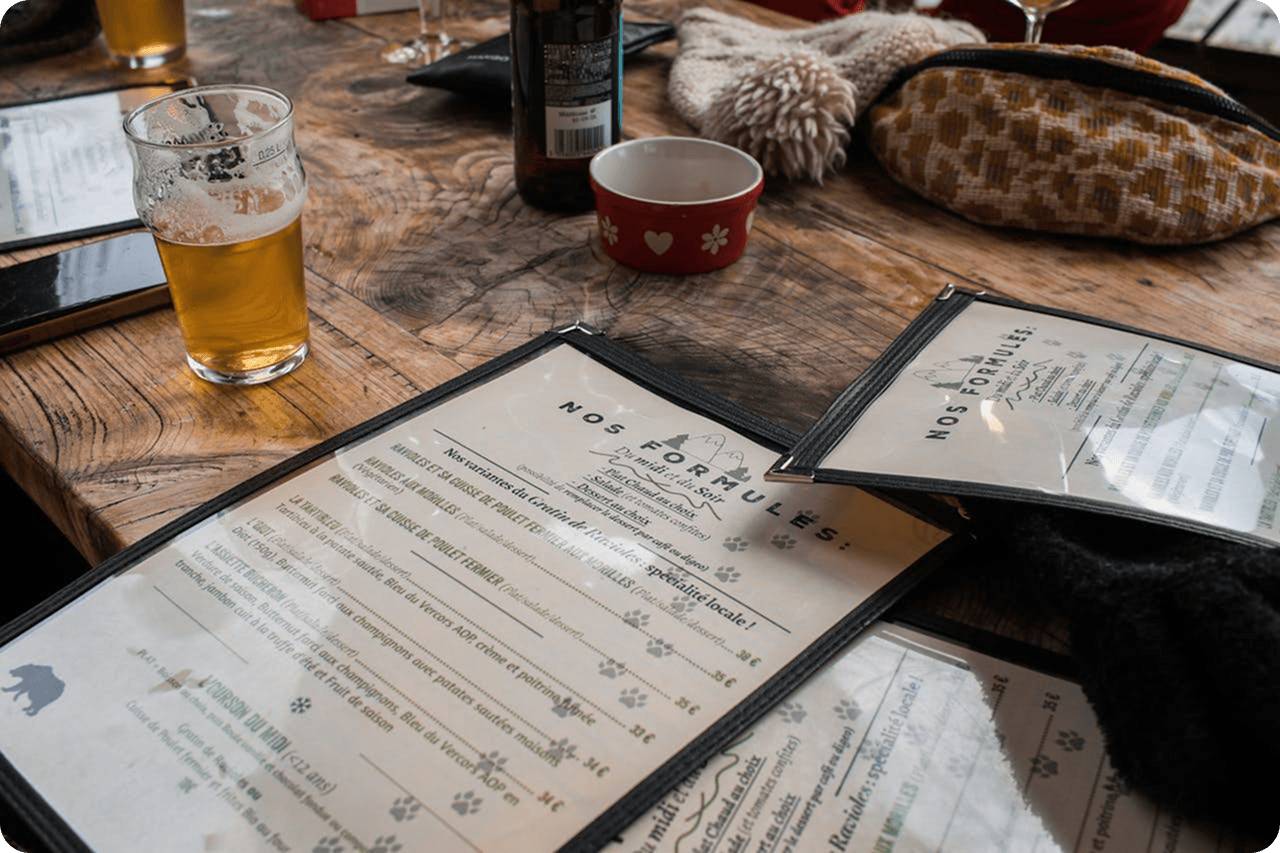
Traditional Menus Slow Down Service
Printed menus require manual processes:
- Staff distribute menus
- Customers wait for menus to arrive
- Outdated items must be explained manually
- Changes cannot happen instantly
Example:
If a dish sells out:
- Staff must inform every table individually
- Customers become frustrated when unavailable items remain listed
This creates delays and unnecessary staff workload.
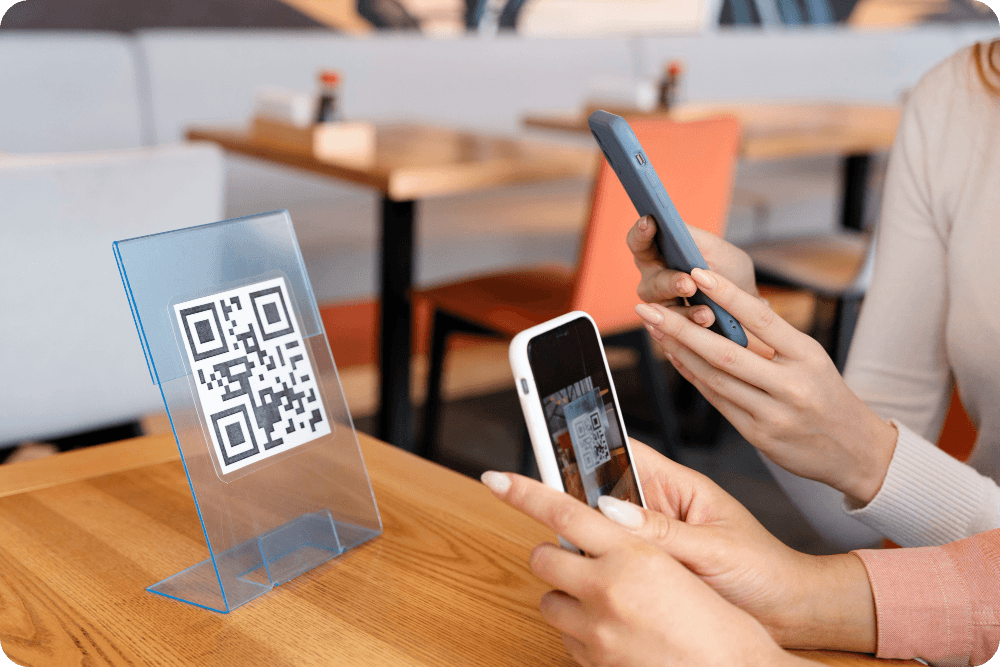
QR Menus Streamline Operations
QR menus improve workflow by automating menu access and updates.
Customers:
- Scan instantly
- Browse independently
- See updated availability in real time
Staff spend less time:
- Handing out menus
- Explaining unavailable items
- Answering repetitive questions
Example:
A restaurant removes a sold-out dessert from the QR menu instantly. Customers no longer attempt to order unavailable items.
This reduces confusion and improves operational flow.
Faster Table Turnover
Speed directly impacts restaurant revenue.
QR menus reduce waiting time by allowing guests to:
- Open menus immediately
- Browse before interacting with staff
- Make faster ordering decisions
Example:
During peak dinner hours:
- Traditional menu → staff may take several minutes to reach each table
- QR menu → customers begin browsing immediately after sitting down
Faster ordering means:
- Faster service
- Faster table turnover
- More customers served daily

Customer Experience Comparison
Modern customers expect convenience, speed, and digital accessibility.
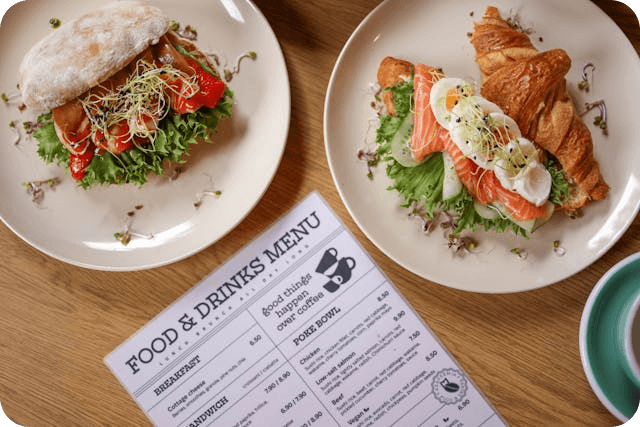
Traditional Menus: Familiar but Limited
Printed menus still provide some advantages:
- Easy for older customers
- No phone required
- Familiar dining experience
However, they lack:
- Interactive content
- Photos and visual appeal
- Real-time updates
- Personalization
They also become outdated quickly.
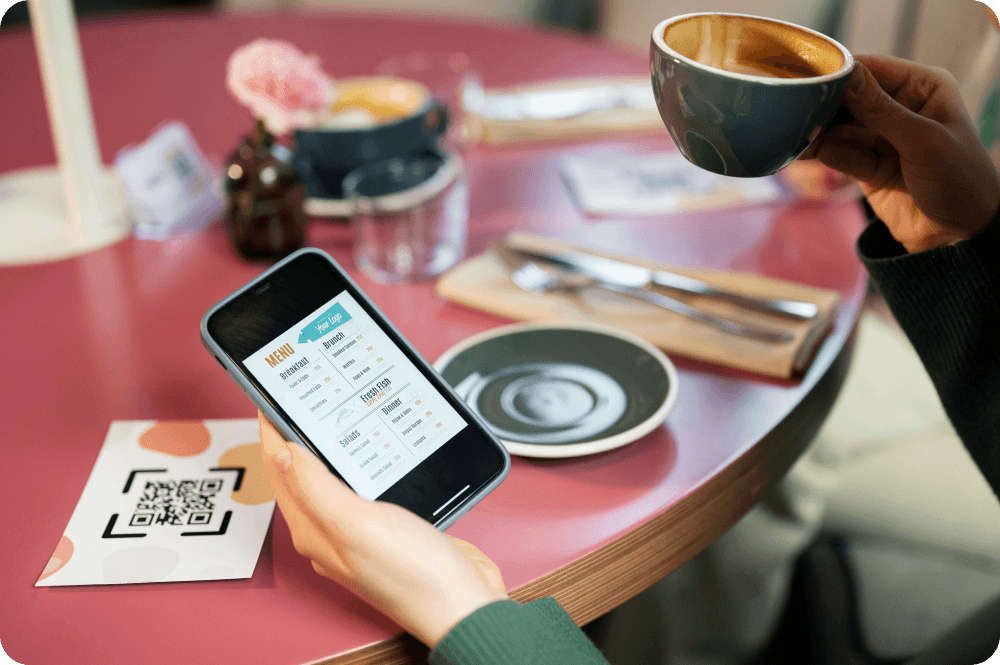
QR Menus: Interactive and Modern
QR menus create a more dynamic experience.
Restaurants can include:
- Dish photos
- Detailed descriptions
- Allergen information
- Multiple languages
- Promotions and recommendations
Example:
A customer scans the QR code and sees:
- “Chef’s Special” highlighted at the top
- Photos of cocktails
- Suggested food pairings
- Vegetarian or spicy icons
This makes decision-making easier and more engaging.
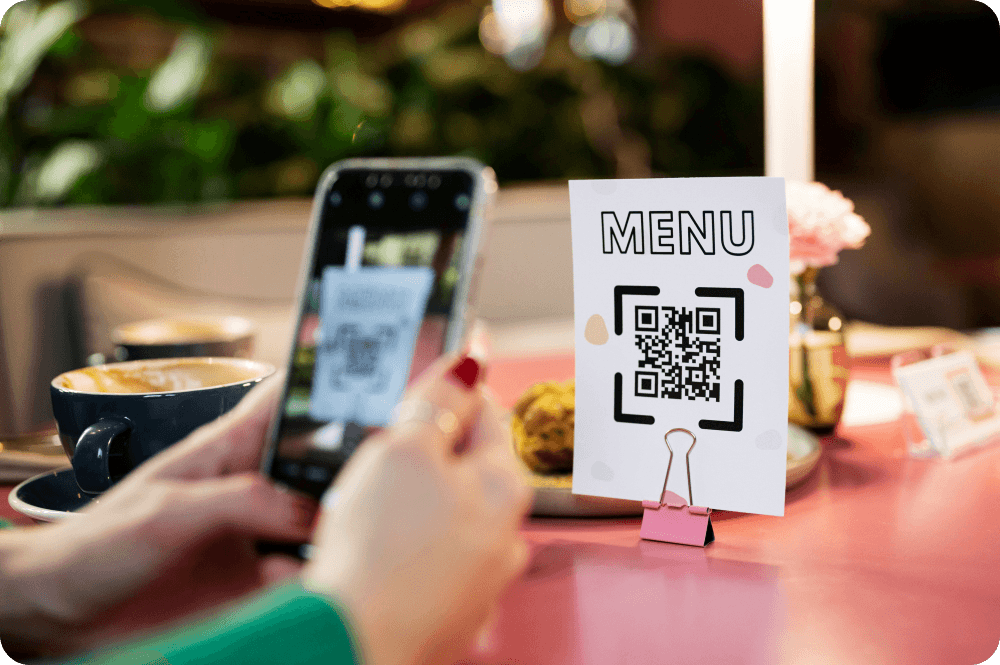
Multilingual Support Improves Accessibility
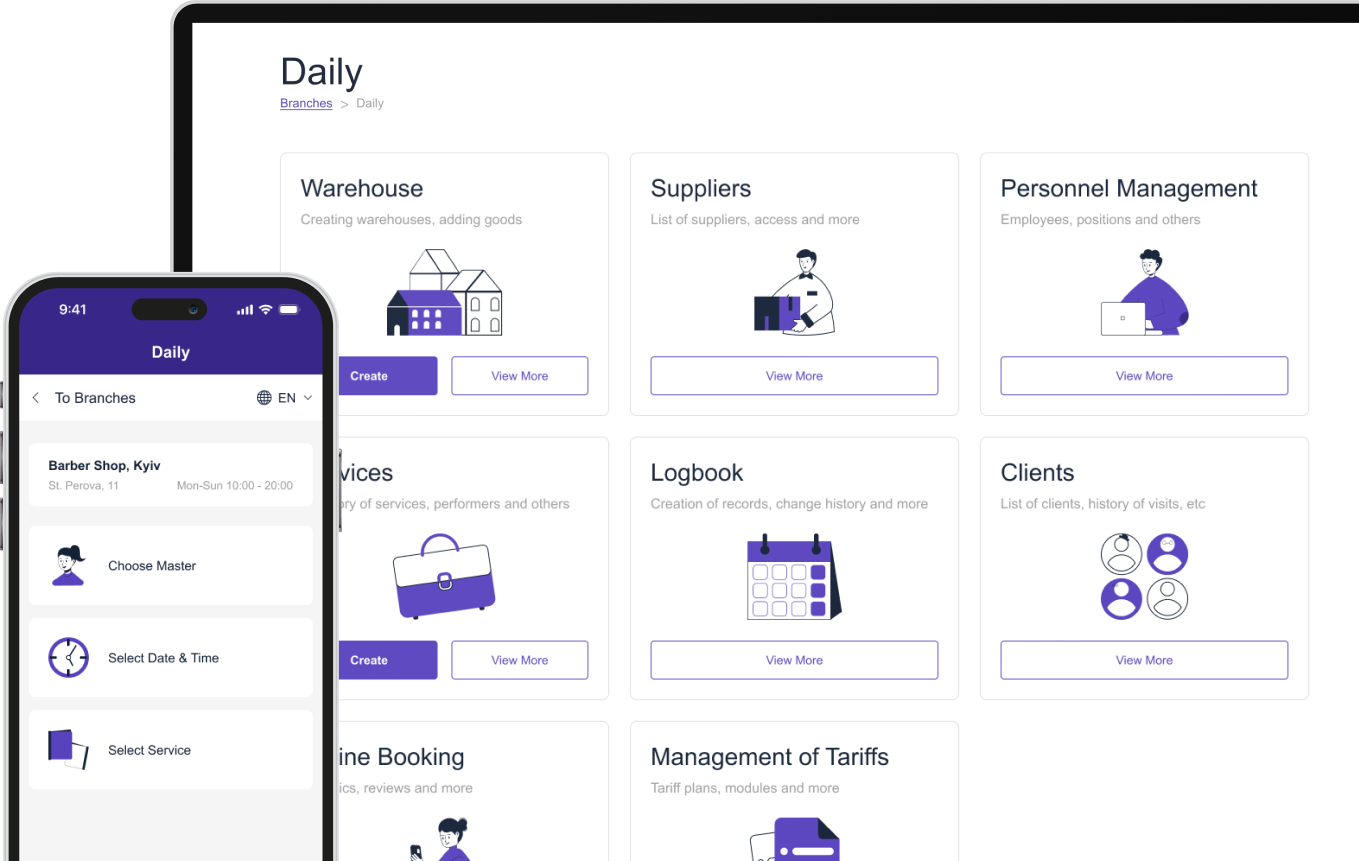
One major advantage shown in the screenshots is multilingual functionality.
Traditional menus require separate printed versions for each language.
QR systems allow customers to switch languages instantly.
Example:
A tourist restaurant can offer:
- English
- Ukrainian
- German
- Polish
This improves comfort for international guests and reduces communication barriers.
Marketing Opportunities
Traditional menus are static. QR menus are dynamic marketing tools.
Restaurants can:
- Highlight high-margin dishes
- Promote limited-time offers
- Suggest add-ons
- Run happy hour campaigns
Example:
A bar promotes:
- “2-for-1 cocktails tonight”
- “Recommended with this dish”
- “Upgrade to premium version”
These real-time promotions increase average check size.
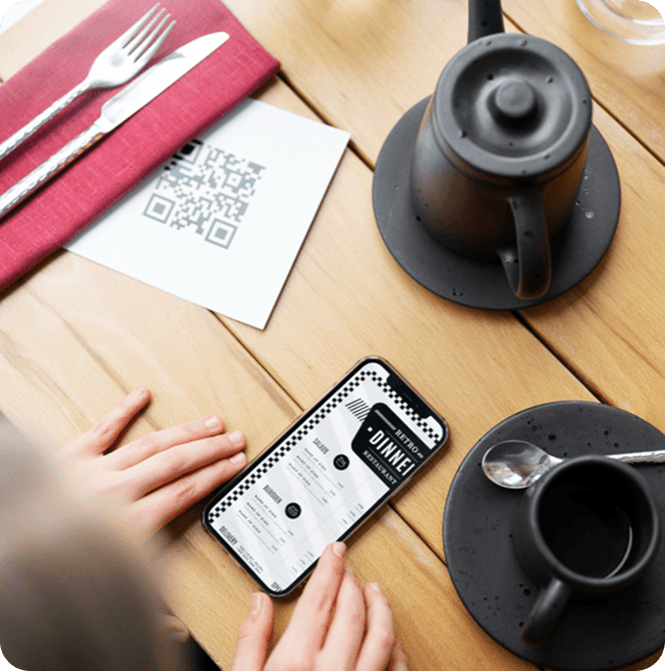
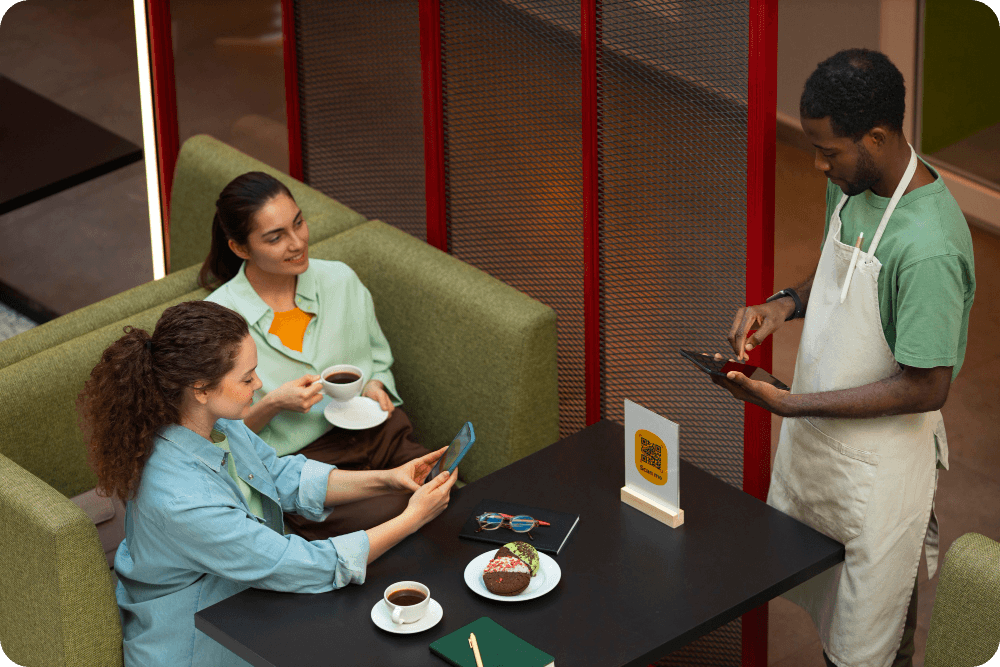
Permanent QR Codes: A Major Operational Advantage
A unique feature of ME-POS is the ability to use three permanent QR codes:
- Dine-in menu
- Delivery menu
- Pickup/self-service menu
The QR codes remain unchanged, while the linked menus can be updated anytime.
Example:
A restaurant:
- Uses one QR code on tables
- Another on takeaway packaging
- Another on delivery flyers
Even if the menu changes completely, the QR codes stay the same. This eliminates constant reprinting and simplifies marketing.
Environmental Benefits
QR menus also support sustainability.
Restaurants reduce:
- Paper usage
- Printing waste
- Disposable menu production
For eco-conscious customers, this creates a positive brand image.
Which Option Is Better for Restaurants in 2026?
While traditional menus still work in some situations, QR menus provide clear advantages for modern businesses.
They offer:
- Lower costs
- Faster operations
- Better customer experience
- Greater marketing flexibility
- Easier scalability
As customer expectations continue evolving, digital menus are becoming the new standard.
Conclusion
The comparison between QR menus and traditional menus is no longer just about technology — it’s about business efficiency and customer expectations.
Traditional menus are familiar, but they are expensive to maintain, difficult to update, and limited in functionality.
QR menus, especially with platforms like ME-POS, provide restaurants with a flexible, scalable, and cost-effective solution that improves both operations and customer experience.
From real-time updates and multilingual support to permanent QR codes and unlimited menu management, QR systems help restaurants operate smarter in an increasingly digital world.
In 2026, restaurants that embrace QR technology will be better positioned to reduce costs, increase sales, and meet modern customer expectations.
Frequently Asked Questions about QR Menu vs Traditional Menu
Yes. QR menus eliminate ongoing printing and replacement costs.
Absolutely. They speed up menu access, reduce staff workload, and allow instant updates.
Most modern customers appreciate the speed, convenience, and digital experience.
Yes. Many businesses offer both options to accommodate different customer preferences.
Restaurants can update menu content anytime without changing or reprinting the QR code itself.
Me-Pos Team
Last modified 25.05.2026
Was This Article Helpful?
Click on a star to rate it!
Thank you for your vote!

Average Rating: 5/5 Votes: 1
Be the first to rate this post!
Share with Friends:































View more
Related Articles
1268
5
Licenses and Permits Needed to Open a Restaurant
Opening a restaurant is an exciting yet challenging endeavor that requires more than just a great concept and a mouth-watering menu. Among the first a...
Me-Pos Team
|
12.12.2024
|
16min

Why Service Businesses Need Consumables and Retail Inventory Management
Service businesses rely on more than appointments and customer relationships to operate successfully. Salons use shampoos, hair dyes, and skincare pro...
Me-Pos Team
|
02.10.2026
|
11min
148
5
Restaurant Menu Engineering: How to Design a More Profitable Menu
A restaurant menu does much more than tell customers what they can order. It can influence what they notice, what they choose, and how much they spend...
Me-Pos Team
|
03.09.2026
|
9min
210
5
Digital Menu vs PDF Menu: Which Is Better for Your Restaurant?
Restaurants have more ways than ever to present their food and drinks to customers. A printed menu is no longer the only option. Today, businesses can...
Me-Pos Team
|
14.08.2026
|
11min
351
5
Why Every Restaurant Needs a QR Menu in 2026: Trends, Costs, and Customer Expectations
The restaurant industry is changing faster than ever. In 2026, customers expect speed, convenience, personalization, and contactless service as standa...
Me-Pos Team
|
18.05.2026
|
12min
367
5
How to Scale a Service Business Without Losing Quality
Scaling a service business is exciting — more clients, more revenue, and stronger market presence. But growth comes with a serious challenge: maintain...
Me-Pos Team
|
30.03.2026
|
8min

727
5
A Comprehensive Guide on How to Start a Small Business Successfully
So, you’re thinking about starting up a small business? That’s awesome! Whether you’re doing it for personal fulfillment, to escape the 9-to-5 grind, ...
Me-Pos Team
|
11.03.2025
|
10min

934
5
How to Open a Coffee Shop?
Opening a coffee bar can be a rewarding business venture, combining the love of coffee with the opportunity to create a community space. This comprehe...
Me-Pos Team
|
21.08.2024
|
15min

1051
5
How to Open a Hair Salon: A Comprehensive Startup Guide
Starting a hair salon can be an exciting and rewarding venture. This comprehensive guide aims to provide you with information on how to open a hairdre...
Me-Pos Team
|
30.10.2024
|
13min
702
5
20 Tips to Choose the Best Accounting Software for Small Businesses
Choosing the best small business software accounting can be a daunting task, given the multitude of options available in the market. The right softwar...
Me-Pos Team
|
28.10.2024
|
15min

974
5
How to Open a Nails Salon: 18 Tips for Success
Starting a nail salon business is an exciting venture that requires careful planning and preparation. The foundation of a successful nail salon lies i...
Me-Pos Team
|
28.10.2024
|
13min
2308
5
The Ultimate Guide to Restaurant Promotion Ideas: Boost Your Business
Effective promotion strategies are crucial for the success of any restaurant. This comprehensive guide is designed to help restaurant owners and manag...
Me-Pos Team
|
24.10.2024
|
16min
1133
5
How to Open a Bakery?
This guide will walk you through the essential steps to open a bakery shop, from initial planning to the grand opening. Whether you’re a first-time en...
Me-Pos Team
|
30.09.2024
|
17min

1429
4.5
How to Open a Beauty Salon and How Much Does it Cost?
Opening a beauty salon is an exciting venture that requires careful planning, research, and a clear understanding of the costs involved. Proper planni...
Me-Pos Team
|
25.10.2024
|
12min
1207
3.7
How to Name a Restaurant?
This guide will walk you through the essential steps to choosing awesome names for restaurants, ensuring they resonate with your target audience and s...
Me-Pos Team
|
30.09.2024
|
15min

549
3.6
CRM for Service Industry 2026: 7 Essential Features Your Business Needs
In 2026, customer expectations are higher than ever. Clients want seamless communication, personalized experiences, fast service, and easy booking — a...
Me-Pos Team
|
19.02.2026
|
7min
1268
5
Licenses and Permits Needed to Open a Restaurant
Opening a restaurant is an exciting yet challenging endeavor that requires more than just a great concept and a mouth-watering menu. Among the first a...
Me-Pos Team
|
12.12.2024
|
16min
Why Service Businesses Need Consumables and Retail Inventory Management
Service businesses rely on more than appointments and customer relationships to operate successfully. Salons use shampoos, hair dyes, and skincare pro...
Me-Pos Team
|
02.10.2026
|
11min
148
5
Restaurant Menu Engineering: How to Design a More Profitable Menu
A restaurant menu does much more than tell customers what they can order. It can influence what they notice, what they choose, and how much they spend...
Me-Pos Team
|
03.09.2026
|
9min
210
5
Digital Menu vs PDF Menu: Which Is Better for Your Restaurant?
Restaurants have more ways than ever to present their food and drinks to customers. A printed menu is no longer the only option. Today, businesses can...
Me-Pos Team
|
14.08.2026
|
11min
351
5
Why Every Restaurant Needs a QR Menu in 2026: Trends, Costs, and Customer Expectations
The restaurant industry is changing faster than ever. In 2026, customers expect speed, convenience, personalization, and contactless service as standa...
Me-Pos Team
|
18.05.2026
|
12min
367
5
How to Scale a Service Business Without Losing Quality
Scaling a service business is exciting — more clients, more revenue, and stronger market presence. But growth comes with a serious challenge: maintain...
Me-Pos Team
|
30.03.2026
|
8min
727
5
A Comprehensive Guide on How to Start a Small Business Successfully
So, you’re thinking about starting up a small business? That’s awesome! Whether you’re doing it for personal fulfillment, to escape the 9-to-5 grind, ...
Me-Pos Team
|
11.03.2025
|
10min
934
5
How to Open a Coffee Shop?
Opening a coffee bar can be a rewarding business venture, combining the love of coffee with the opportunity to create a community space. This comprehe...
Me-Pos Team
|
21.08.2024
|
15min
1051
5
How to Open a Hair Salon: A Comprehensive Startup Guide
Starting a hair salon can be an exciting and rewarding venture. This comprehensive guide aims to provide you with information on how to open a hairdre...
Me-Pos Team
|
30.10.2024
|
13min
702
5
20 Tips to Choose the Best Accounting Software for Small Businesses
Choosing the best small business software accounting can be a daunting task, given the multitude of options available in the market. The right softwar...
Me-Pos Team
|
28.10.2024
|
15min
974
5
How to Open a Nails Salon: 18 Tips for Success
Starting a nail salon business is an exciting venture that requires careful planning and preparation. The foundation of a successful nail salon lies i...
Me-Pos Team
|
28.10.2024
|
13min
2308
5
The Ultimate Guide to Restaurant Promotion Ideas: Boost Your Business
Effective promotion strategies are crucial for the success of any restaurant. This comprehensive guide is designed to help restaurant owners and manag...
Me-Pos Team
|
24.10.2024
|
16min
1133
5
How to Open a Bakery?
This guide will walk you through the essential steps to open a bakery shop, from initial planning to the grand opening. Whether you’re a first-time en...
Me-Pos Team
|
30.09.2024
|
17min
1429
4.5
How to Open a Beauty Salon and How Much Does it Cost?
Opening a beauty salon is an exciting venture that requires careful planning, research, and a clear understanding of the costs involved. Proper planni...
Me-Pos Team
|
25.10.2024
|
12min
1207
3.7
How to Name a Restaurant?
This guide will walk you through the essential steps to choosing awesome names for restaurants, ensuring they resonate with your target audience and s...
Me-Pos Team
|
30.09.2024
|
15min
549
3.6
CRM for Service Industry 2026: 7 Essential Features Your Business Needs
In 2026, customer expectations are higher than ever. Clients want seamless communication, personalized experiences, fast service, and easy booking — a...
Me-Pos Team
|
19.02.2026
|
7min
View more
