How to Build an Efficient Staff Schedule for Service Businesses
Creating an efficient staff schedule is one of the most important — and often overlooked — aspects of running a successful service business. Whether you manage a beauty salon, spa, clinic, or car wash, your schedule directly impacts productivity, customer satisfaction, and profitability.
Poor scheduling leads to overworked employees, idle time, long wait periods, and lost revenue. On the other hand, a well-structured schedule ensures that the right staff are available at the right time — maximizing efficiency while maintaining service quality.
Let’s explore how to build a smart, efficient staff schedule that supports both your team and your business growth.


Why Staff Scheduling Matters
Your staff schedule is more than just a timetable — it’s a strategic tool.
A strong schedule helps you:
- Match staff availability with customer demand
- Reduce employee burnout
- Minimize downtime and idle hours
- Improve customer experience
- Increase daily revenue
Without proper planning, even a busy business can operate inefficiently.
Analyze Your Business Demand
The first step in building an efficient schedule is understanding when your business is busiest.
Look at your past data to identify:
- Peak hours and days
- Seasonal trends
- High-demand services
- Slow periods
For example, salons may experience peak demand on weekends, while car washes may be busiest in the mornings or after work hours.
Using analytics tools from platforms like ME-POS, you can easily track booking trends and customer patterns to make data-driven scheduling decisions.
Start Your Me-Pos
Experience for Free!
Make sure that Me-Pos Online Booking meets your needs and requirements before making a final decision.
Use for Free
Match Staff Levels to Demand
Once you understand demand, the next step is aligning your team accordingly.
- Schedule more staff during peak hours
- Reduce staffing during slow periods
- Assign experienced employees during busy times
- Avoid overstaffing, which increases labor costs
The goal is balance — ensuring you have enough staff to handle demand without wasting resources.
Define Roles and Responsibilities Clearly
An efficient schedule isn’t just about numbers — it’s about assigning the right roles.
Each shift should clearly define:
- Who handles customer check-ins
- Who performs specific services
- Who manages cleaning or preparation tasks
- Who handles payments or front desk duties
Clear responsibilities prevent confusion, improve workflow, and ensure smoother operations.


Use Time Blocks for Better Organization
Instead of random scheduling, use structured time blocks.
For example:
- Morning shift
- Afternoon shift
- Evening shift
You can also create service-based blocks, such as dedicating specific times for longer or premium services.
Time blocking helps:
- Organize workflows
- Reduce overlaps
- Improve staff coordination
- Maintain consistent service quality
Avoid Overbooking and Allow Buffer Time
Overbooking may seem like a way to increase revenue, but it often backfires.
It can lead to:
- Delays and long wait times
- Rushed services
- Poor customer experience
- Staff stress and burnout
Instead, include buffer time between appointments to handle delays, preparation, and unexpected issues.
A realistic schedule ensures smoother operations and better service quality.


Incorporate Flexibility
Even the best schedule needs flexibility.
Unexpected situations happen, such as:
- Staff absences
- Last-minute cancellations
- Sudden demand spikes
To handle this:
- Keep backup staff available if possible
- Allow easy shift adjustments
- Use systems that update schedules in real time
Flexibility ensures your business can adapt without disruption.
Use Scheduling Software for Accuracy
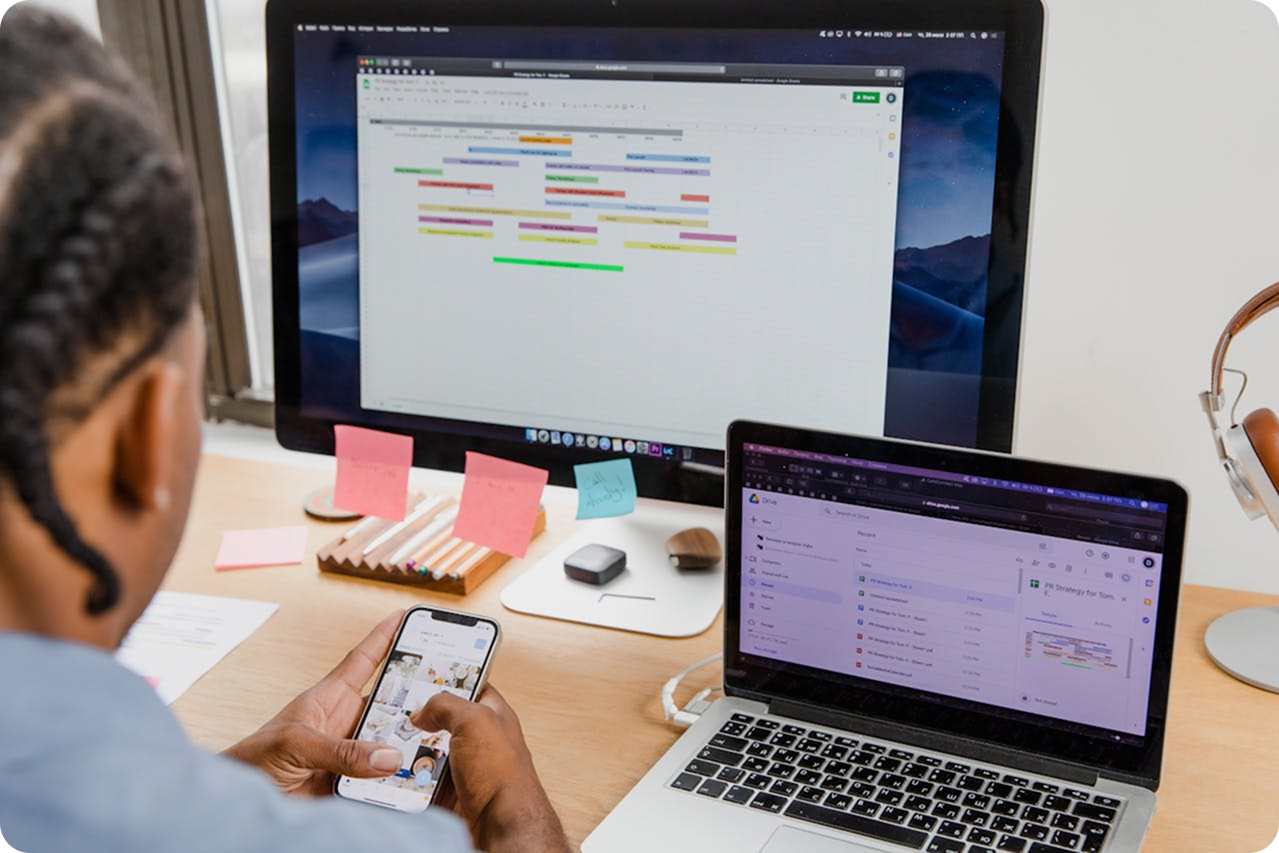
Manual scheduling using paper or spreadsheets becomes inefficient as your business grows.
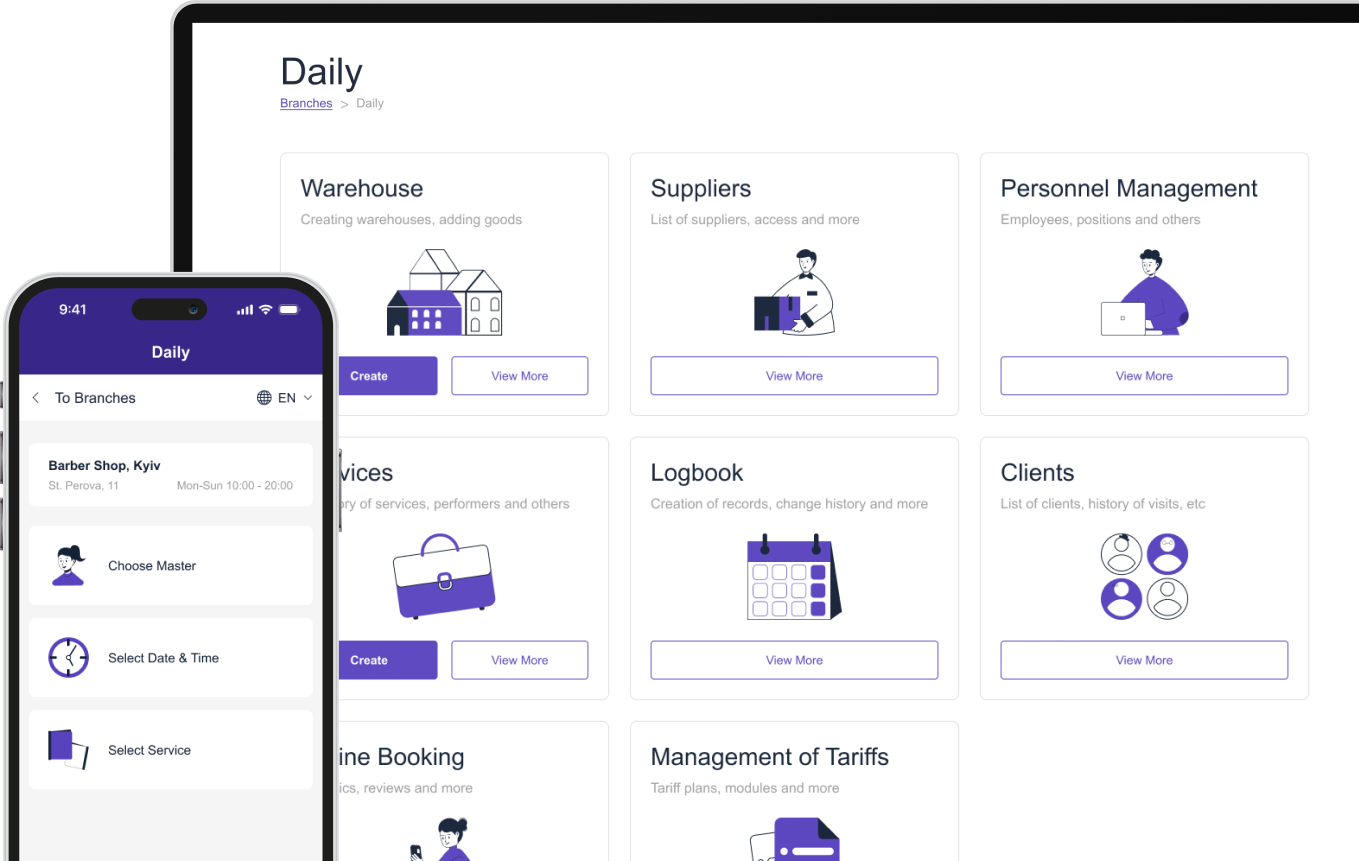
Digital tools like ME-POS help automate and simplify scheduling by:
- Managing employee shifts
- Syncing appointments with staff availability
- Preventing double bookings
- Providing real-time updates
- Offering performance insights
Automation reduces errors and saves valuable time.

Staff Scheduling Comparison Table
Scheduling Approach
Characteristics
Challenges
Result
Manual Scheduling
Paper or basic spreadsheets
Errors, time-consuming
Low efficiency
Fixed Scheduling
Same shifts every week
Doesn’t adapt to demand
Moderate efficiency
Demand-Based Scheduling
Adjusted based on data
Requires tracking tools
High efficiency
Automated Scheduling
Software-driven, real-time
Initial setup required
Maximum efficiency
This comparison shows how modern, data-driven scheduling leads to better outcomes.

Common Scheduling Mistakes to Avoid
Even experienced managers can make scheduling mistakes. Avoid these common issues:
- Ignoring peak demand patterns
- Overloading top-performing staff
- Underutilizing less busy periods
- Failing to track performance data
- Not communicating schedules clearly
Fixing these mistakes can instantly improve efficiency.
Benefits of an Efficient Staff Schedule
When your scheduling system works well, you’ll notice immediate improvements:
- Higher employee productivity
- Better customer satisfaction
- Reduced wait times
- Increased revenue
- Lower operational stress
A well-managed schedule creates a smoother experience for both staff and clients.

Conclusion
Building an efficient staff schedule is essential for any service business that wants to grow without sacrificing quality. By analyzing demand, assigning roles clearly, avoiding overbooking, and using modern tools, you can create a system that maximizes productivity and keeps customers happy.
With the help of platforms like ME-POS, scheduling becomes easier, more accurate, and fully optimized for your business needs.
In today’s competitive market, smart scheduling isn’t just helpful — it’s a key driver of success.
Frequently Asked Questions about Building an Efficient Staff Schedule for Service Businesses
The best approach is demand-based scheduling, where staff levels are adjusted according to customer traffic patterns.
Analyze booking data and schedule fewer employees during slow periods.
Buffer time prevents delays, reduces stress, and ensures consistent service quality.
Yes. It automates planning, reduces errors, and provides real-time updates.
Schedules should be reviewed weekly or adjusted dynamically based on demand and business needs.
Me-Pos Team
Last modified 06.04.2026
Was This Article Helpful?
Click on a star to rate it!
Thank you for your vote!

Average Rating: 5/5 Votes: 1
Be the first to rate this post!
Share with Friends:

















































View more
Related Articles

1266
5
What is a Warehouse Management System: All You Need to Know
In the rapidly evolving landscape of supply chain and logistics, efficient warehouse management has become a cornerstone of business success. As compa...
Me-Pos Team
|
13.12.2024
|
18min

How to Manage Multiple Business Locations in One CRM System
Managing several business locations can be challenging when each branch uses separate tools, spreadsheets, or reporting processes. Business owners nee...
Me-Pos Team
|
12.10.2026
|
14min

131
5
How to Set Up Online Booking by Staff, Services, and Working Hours
Managing appointments manually can become complicated as your business grows. Whether you run a beauty salon, restaurant, hotel, sports club, or anoth...
Me-Pos Team
|
21.09.2026
|
11min

137
5
How to Update Your Restaurant Menu Without Reprinting for Seasonal and Limited-Time Offers
Restaurant menus rarely stay the same all year. A summer café may want to add fresh salads and cold drinks, while a restaurant might introduce pumpkin...
Me-Pos Team
|
09.09.2026
|
11min

293
5
How QR Menus Reduce Staff Workload and Improve Table Turnover
The restaurant industry is constantly searching for ways to improve efficiency, reduce operational costs, and provide better customer experiences. In ...
Me-Pos Team
|
02.06.2026
|
13min

334
5
How Inventory Tracking Prevents Losses in Service Businesses
In service-based businesses like beauty salons, spas, tattoo studios, and car washes, inventory often goes unnoticed — until it starts causing problem...
Me-Pos Team
|
14.04.2026
|
10min

842
5
KPIs for Beauty Salon Staff: How to Measure Employee Performance and Efficiency
Running a successful beauty salon isn’t just about offering great services or stylish interiors — it’s about building a high-performing team. Your sty...
Me-Pos Team
|
23.02.2026
|
8min

What Is E-Booking and How It Can Elevate Your Hotel's Success
The hospitality industry is evolving rapidly, and the integration of technology plays a critical role in shaping guest experiences. One of the most tr...
Me-Pos Team
|
01.08.2025
|
10min

953
5
Guide on How to Start a Hotel Business: All You Need to Know
Starting a hotel business can be an exciting and rewarding venture, but it requires careful planning, significant investment, and a thorough understan...
Me-Pos Team
|
30.07.2025
|
10min

976
5
Restaurant Floor Planning: Strategies for Optimal Space Utilization
Designing the floor plan of a restaurant is one of the most crucial steps to building a thriving business. It’s more than just arranging tables—it’s a...
Me-Pos Team
|
09.04.2025
|
8min

1136
5
What Is a Barback? Understanding the Role and Responsibilities
In a bar, the barback is the hero working behind the scenes, keeping everything running smoothly. While bartenders are out there mixing drinks and cha...
Me-Pos Team
|
13.03.2025
|
8min

1225
5
Essential Retail KPIs: Measuring Success and Growth
Running a retail business is a balancing act. You have to manage products, customers, employees, and the store itself, all while trying to turn a prof...
Me-Pos Team
|
19.12.2024
|
14min

Mastering Customer Retention: How to Create Loyalty Programs?
Customer retention refers to a company’s ability to keep its customers over a sustained period, ensuring they continue to choose its products or servi...
Me-Pos Team
|
17.12.2024
|
15min

1088
5
Best Non-Slip Restaurant Shoes
In the bustling environment of a restaurant, safety, and comfort are paramount for the well-being of workers. Non-slip restaurant industry shoes are c...
Me-Pos Team
|
30.09.2024
|
12min

929
4.9
How to Ask a Customer for Review and Feedback: Build Your Reputation
Gathering customer reviews is essential for any business looking to build trust, improve services, and grow its online presence. However, how to ask c...
Me-Pos Team
|
31.07.2025
|
10min

688
4.7
Choosing the Best CRM for Realtors: Key Features and Considerations
Real estate is one of the most competitive industries out there. Whether you’re managing dozens of properties, closing sales with clients, or running ...
Me-Pos Team
|
09.04.2025
|
6min
1266
5
What is a Warehouse Management System: All You Need to Know
In the rapidly evolving landscape of supply chain and logistics, efficient warehouse management has become a cornerstone of business success. As compa...
Me-Pos Team
|
13.12.2024
|
18min
How to Manage Multiple Business Locations in One CRM System
Managing several business locations can be challenging when each branch uses separate tools, spreadsheets, or reporting processes. Business owners nee...
Me-Pos Team
|
12.10.2026
|
14min
131
5
How to Set Up Online Booking by Staff, Services, and Working Hours
Managing appointments manually can become complicated as your business grows. Whether you run a beauty salon, restaurant, hotel, sports club, or anoth...
Me-Pos Team
|
21.09.2026
|
11min
137
5
How to Update Your Restaurant Menu Without Reprinting for Seasonal and Limited-Time Offers
Restaurant menus rarely stay the same all year. A summer café may want to add fresh salads and cold drinks, while a restaurant might introduce pumpkin...
Me-Pos Team
|
09.09.2026
|
11min
293
5
How QR Menus Reduce Staff Workload and Improve Table Turnover
The restaurant industry is constantly searching for ways to improve efficiency, reduce operational costs, and provide better customer experiences. In ...
Me-Pos Team
|
02.06.2026
|
13min
334
5
How Inventory Tracking Prevents Losses in Service Businesses
In service-based businesses like beauty salons, spas, tattoo studios, and car washes, inventory often goes unnoticed — until it starts causing problem...
Me-Pos Team
|
14.04.2026
|
10min
842
5
KPIs for Beauty Salon Staff: How to Measure Employee Performance and Efficiency
Running a successful beauty salon isn’t just about offering great services or stylish interiors — it’s about building a high-performing team. Your sty...
Me-Pos Team
|
23.02.2026
|
8min
What Is E-Booking and How It Can Elevate Your Hotel's Success
The hospitality industry is evolving rapidly, and the integration of technology plays a critical role in shaping guest experiences. One of the most tr...
Me-Pos Team
|
01.08.2025
|
10min
953
5
Guide on How to Start a Hotel Business: All You Need to Know
Starting a hotel business can be an exciting and rewarding venture, but it requires careful planning, significant investment, and a thorough understan...
Me-Pos Team
|
30.07.2025
|
10min
976
5
Restaurant Floor Planning: Strategies for Optimal Space Utilization
Designing the floor plan of a restaurant is one of the most crucial steps to building a thriving business. It’s more than just arranging tables—it’s a...
Me-Pos Team
|
09.04.2025
|
8min
1136
5
What Is a Barback? Understanding the Role and Responsibilities
In a bar, the barback is the hero working behind the scenes, keeping everything running smoothly. While bartenders are out there mixing drinks and cha...
Me-Pos Team
|
13.03.2025
|
8min
1225
5
Essential Retail KPIs: Measuring Success and Growth
Running a retail business is a balancing act. You have to manage products, customers, employees, and the store itself, all while trying to turn a prof...
Me-Pos Team
|
19.12.2024
|
14min
Mastering Customer Retention: How to Create Loyalty Programs?
Customer retention refers to a company’s ability to keep its customers over a sustained period, ensuring they continue to choose its products or servi...
Me-Pos Team
|
17.12.2024
|
15min
1088
5
Best Non-Slip Restaurant Shoes
In the bustling environment of a restaurant, safety, and comfort are paramount for the well-being of workers. Non-slip restaurant industry shoes are c...
Me-Pos Team
|
30.09.2024
|
12min
929
4.9
How to Ask a Customer for Review and Feedback: Build Your Reputation
Gathering customer reviews is essential for any business looking to build trust, improve services, and grow its online presence. However, how to ask c...
Me-Pos Team
|
31.07.2025
|
10min
688
4.7
Choosing the Best CRM for Realtors: Key Features and Considerations
Real estate is one of the most competitive industries out there. Whether you’re managing dozens of properties, closing sales with clients, or running ...
Me-Pos Team
|
09.04.2025
|
6min
View more
