
CRM for Service Industry 2026: 7 Essential Features Your Business Needs
In 2026, customer expectations are higher than ever. Clients want seamless communication, personalized experiences, fast service, and easy booking — all without friction. For service-based businesses such as salons, spas, repair shops, trainers, or consultants, the key to meeting these demands lies in intelligent CRM (Customer Relationship Management) systems.
CRM is no longer just a digital Rolodex for storing contact information. Today’s CRMs are powerful business engines — automating tasks, unlocking insights, improving customer satisfaction, and driving revenue. With the rapid evolution of technology, knowing which CRM features actually matter in 2026 can make a dramatic difference in your business performance.
This article dives into the 7 essential CRM features your service business must have in 2026 to thrive — whether you’re a small startup or an established brand.

1. Integrated Online Booking & Appointment Automation
In the modern service industry, frictionless booking isn’t a luxury — it’s a requirement.
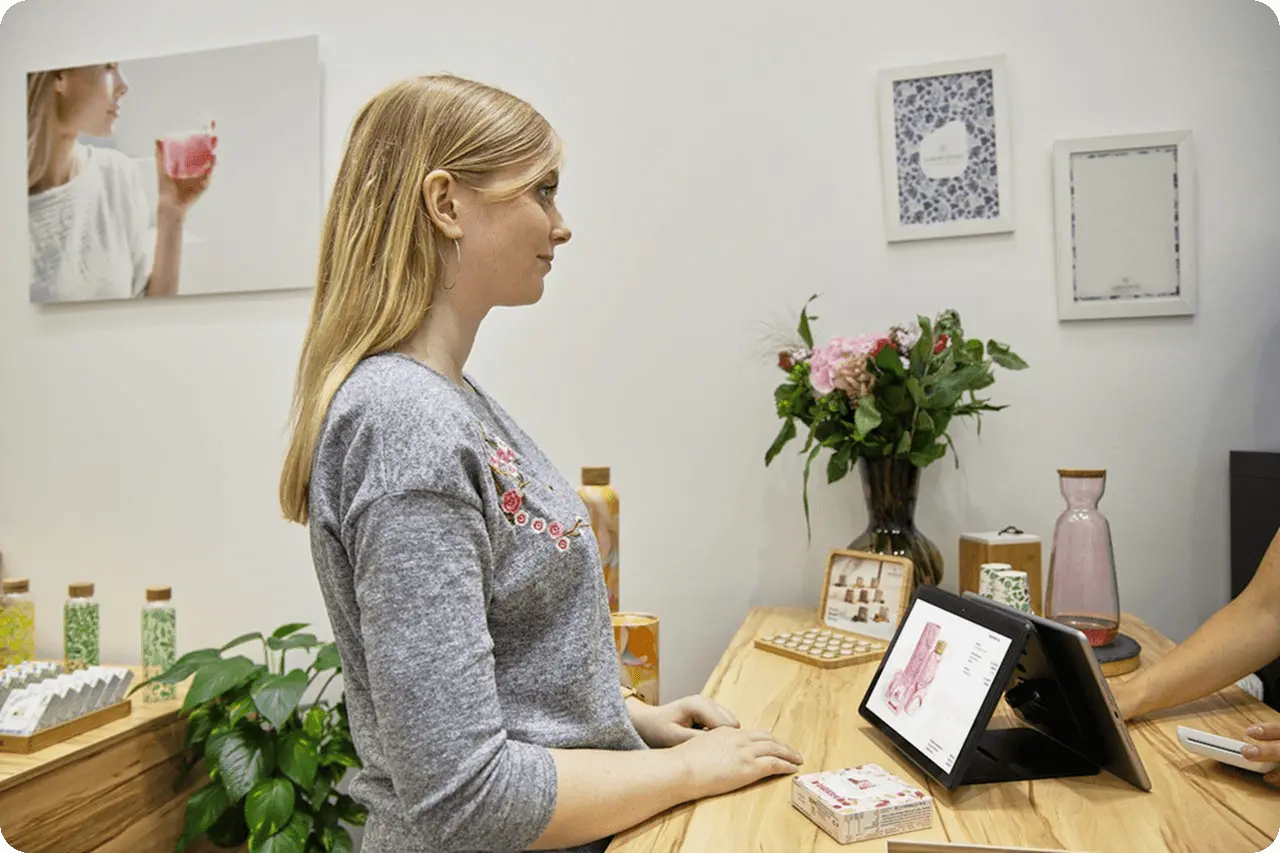
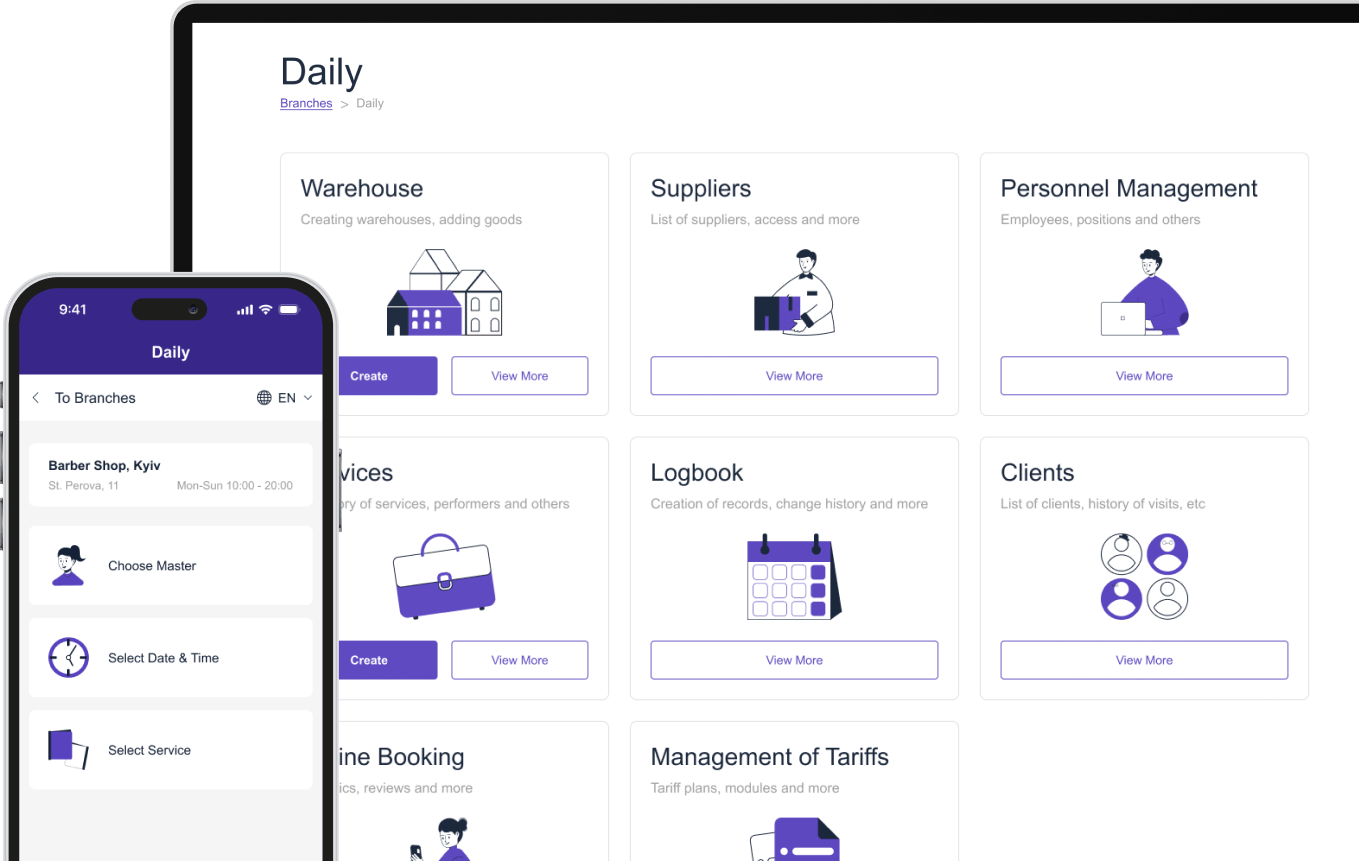
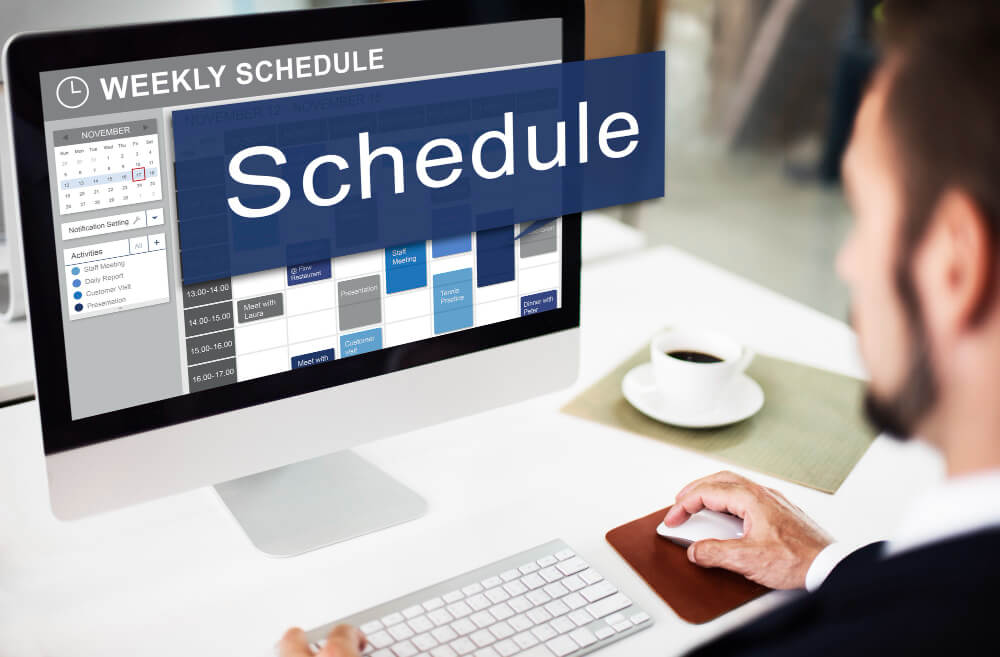
Gone are the days when clients had to call during business hours to book an appointment. A CRM with online scheduling allows clients to book anytime from mobile, desktop, or social platforms — expanding booking windows beyond shop hours and driving more client purchases.
Key benefits:
- 24/7 online scheduling
- Real-time availability display
- Multiple-service selection in one booking
- Automatic allocation of staff and resources
When combined with automated confirmations and reminders, online booking significantly reduces no-shows and frees your team to focus on delivering exceptional service rather than answering phones.

2. Client−Centric Data Management
At its core, a CRM is built to collect and organize customer data — but in 2026 this goes far beyond basic names and phone numbers.
Today’s CRM systems let you:
- Store detailed client profiles and preferences
- Track service history and purchase patterns
- Upload files like reference images, contracts, or legal waivers
- Tag clients by behavior, service type, or value tier
For example, a beauty salon might note a client’s preferred nail style or allergy information, while a fitness coach can track workout goals. Having this data at your fingertips allows for personalization that builds loyalty.
3. Smart Communication & Automated Workflows
Communication drives client satisfaction — but manually sending messages is inefficient and inconsistent.
A modern CRM must automate:
- Appointment reminders (SMS, email)
- Follow-up messages after service delivery
- Review requests and satisfaction surveys
- Promotional campaigns
Automating these repetitive tasks ensures timely contact, increases engagement, and reduces no-shows — all without adding work to your team’s plate.

Start Your Me-Pos
Experience for Free!
Make sure that Me-Pos Online Booking meets your needs and requirements before making a final decision.
Use for Free

4. Marketing Optimization & Segmentation Tools
CRM systems aren’t just for scheduling — they’re powerful marketing platforms.
With segmentation, you can group customers by:
- Frequency of visits
- Service types purchased
- Average spend
- Geographic location
- Stage in the customer journey
With this data, you can create targeted campaigns such as:
- Re-engagement offers for inactive clients
- Loyalty rewards for repeat customers
- Seasonal or holiday promotions
- Personalized messages based on past purchases
Marketing automation increases ROI and builds deeper connections with your audience.
5. Integrated Point of Sale (POS) and Payment Solutions
In 2026, CRM and payment systems are expected to be tightly integrated.
A CRM with built-in POS functionality helps service businesses:
- Process payments quickly and securely
- Track revenue from services and retail products
- Apply discounts, packages, and memberships
- Accept deposits and pre-payments during booking
This unified system eliminates double entry, reduces errors, and provides real-time financial visibility — making accounting and reporting easier than ever.

6. Real-Time Analytics and Insights Dashboard
More than ever, data drives decisions.
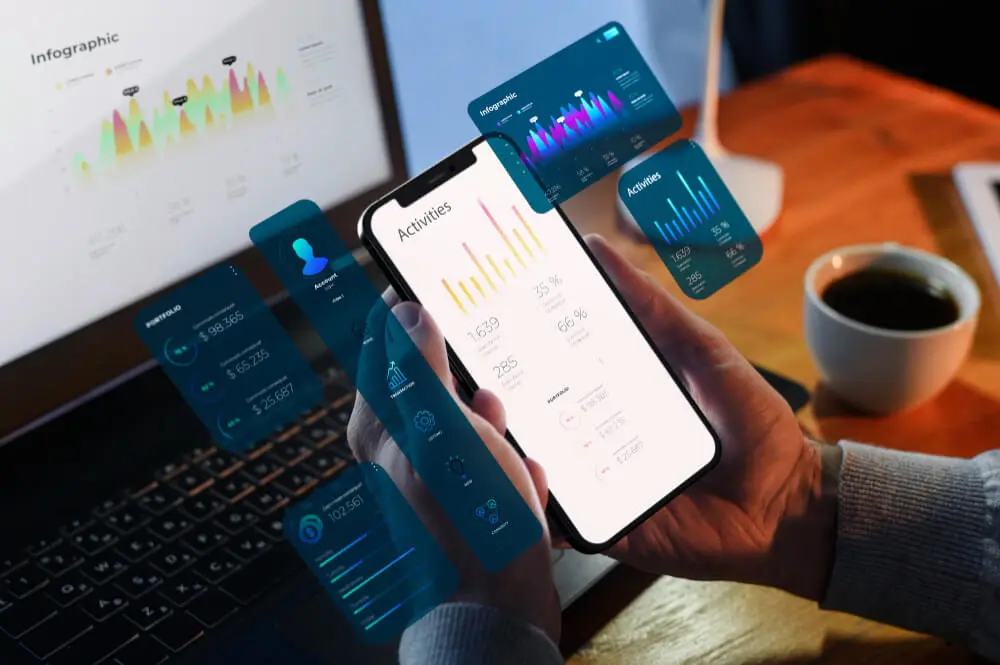
A worthy CRM solution offers a powerful analytics dashboard with insights such as:
- Peak booking times and revenue trends
- Top services and staff performers
- Customer lifetime value
- Retention versus churn metrics
- ROI on marketing efforts
Rather than guessing what works, you can make data-backed decisions to allocate resources, optimize services, and improve profitability.

7. Mobile Access and Cloud Synchronization
In 2026, mobility is not optional.
A CRM must be:
- Cloud-based for anywhere access
- Mobile-friendly for on-the-go updates
- Synchronized across all devices
- Secure with role-based authorization
Whether your team is on the salon floor, at a client site, or managing remotely, mobile CRM access ensures that no information is lost and no appointment slips through the cracks.
CRM Feature Comparison Table
To better understand how modern CRM systems outperform traditional manual methods, here’s a clear comparison:
Feature
Manual/Paper System
Modern CRM System
Scheduling
Prone to double bookings
Real-time smart calendar
Reminders
Manual calls
Automated SMS/email
Marketing
Generic promotions
Targeted campaigns
As shown, CRM systems provide measurable improvements across efficiency, accuracy, and customer satisfaction.
How These Features Work Together
Let’s break down what a connected CRM ecosystem looks like in action:
- A new client books online via your website after hours.
- The CRM confirms the booking and adds the client to your database.
- Automated reminders are sent three days and one hour before the appointment.
- After service, the system sends a personalized follow-up message and review request.
- Client payment is processed through an integrated POS, recorded in reports.
- Inactive clients receive automated re-engagement offers.
- Analytics reveal your most profitable services, guiding future promotions.
This seamless flow saves time, boosts retention, enhances satisfaction, and increases revenue — all while your team stays organized and focused.

Conclusion
The service industry is evolving fast, and clients now expect speed, convenience, personalization, and reliability. A CRM system is no longer just a contact database — it’s the backbone of modern business operations.
In 2026, the CRM your business chooses must include:
- Integrated Online Booking
- Client-Centric Data Management
- Smart Communication & Automation
- Advanced Marketing Tools
- Built-In POS & Payments
- Real-Time Analytics
- Mobile Access & Cloud Support
Investing in the right CRM transforms how you attract customers, retain loyalty, manage operations, and grow revenue. For service businesses that want to stay competitive — adopting a CRM with these essential features isn’t optional — it’s necessary.
Frequently Asked Questions about CRM for Service Industry 2026
CRM systems help automate processes, centralize customer data, improve communication, and provide insights that boost client retention and revenue.
By offering personalized communication, automated reminders, easy online booking, and fast check-in — CRM meets customer expectations and builds loyalty.
Yes — modern CRMs combine booking, marketing, payment processing, and reporting, reducing the need for separate systems.
Small businesses should first focus on online booking automation, client data management, and communication tools to create a strong foundation.
Absolutely — cloud CRM provides remote access, real-time updates, secure syncing, and scalable growth without hardware constraints.
Me-Pos Team
Last modified 19.02.2026
Was This Article Helpful?
Click on a star to rate it!
Thank you for your vote!

Average Rating: 3.6/5 Votes: 8
Be the first to rate this post!
Share with Friends:


































View more
Related Articles

1284
5
Licenses and Permits Needed to Open a Restaurant
Opening a restaurant is an exciting yet challenging endeavor that requires more than just a great concept and a mouth-watering menu. Among the first a...
Me-Pos Team
|
12.12.2024
|
16min

Why Service Businesses Need Consumables and Retail Inventory Management
Service businesses rely on more than appointments and customer relationships to operate successfully. Salons use shampoos, hair dyes, and skincare pro...
Me-Pos Team
|
02.10.2026
|
11min
161
5
Restaurant Menu Engineering: How to Design a More Profitable Menu
A restaurant menu does much more than tell customers what they can order. It can influence what they notice, what they choose, and how much they spend...
Me-Pos Team
|
03.09.2026
|
9min
217
5
Digital Menu vs PDF Menu: Which Is Better for Your Restaurant?
Restaurants have more ways than ever to present their food and drinks to customers. A printed menu is no longer the only option. Today, businesses can...
Me-Pos Team
|
14.08.2026
|
11min
294
5
QR Menu vs Traditional Menu: Cost, Efficiency, and Customer Experience
The restaurant industry has changed dramatically in recent years. As customer expectations evolve and operational costs continue to rise, businesses a...
Me-Pos Team
|
25.05.2026
|
12min
359
5
Why Every Restaurant Needs a QR Menu in 2026: Trends, Costs, and Customer Expectations
The restaurant industry is changing faster than ever. In 2026, customers expect speed, convenience, personalization, and contactless service as standa...
Me-Pos Team
|
18.05.2026
|
12min

381
5
How to Scale a Service Business Without Losing Quality
Scaling a service business is exciting — more clients, more revenue, and stronger market presence. But growth comes with a serious challenge: maintain...
Me-Pos Team
|
30.03.2026
|
8min

735
5
A Comprehensive Guide on How to Start a Small Business Successfully
So, you’re thinking about starting up a small business? That’s awesome! Whether you’re doing it for personal fulfillment, to escape the 9-to-5 grind, ...
Me-Pos Team
|
11.03.2025
|
10min

945
5
How to Open a Coffee Shop?
Opening a coffee bar can be a rewarding business venture, combining the love of coffee with the opportunity to create a community space. This comprehe...
Me-Pos Team
|
21.08.2024
|
15min
1063
5
How to Open a Hair Salon: A Comprehensive Startup Guide
Starting a hair salon can be an exciting and rewarding venture. This comprehensive guide aims to provide you with information on how to open a hairdre...
Me-Pos Team
|
30.10.2024
|
13min
712
5
20 Tips to Choose the Best Accounting Software for Small Businesses
Choosing the best small business software accounting can be a daunting task, given the multitude of options available in the market. The right softwar...
Me-Pos Team
|
28.10.2024
|
15min

981
5
How to Open a Nails Salon: 18 Tips for Success
Starting a nail salon business is an exciting venture that requires careful planning and preparation. The foundation of a successful nail salon lies i...
Me-Pos Team
|
28.10.2024
|
13min
2349
5
The Ultimate Guide to Restaurant Promotion Ideas: Boost Your Business
Effective promotion strategies are crucial for the success of any restaurant. This comprehensive guide is designed to help restaurant owners and manag...
Me-Pos Team
|
24.10.2024
|
16min
1145
5
How to Open a Bakery?
This guide will walk you through the essential steps to open a bakery shop, from initial planning to the grand opening. Whether you’re a first-time en...
Me-Pos Team
|
30.09.2024
|
17min

1447
4.5
How to Open a Beauty Salon and How Much Does it Cost?
Opening a beauty salon is an exciting venture that requires careful planning, research, and a clear understanding of the costs involved. Proper planni...
Me-Pos Team
|
25.10.2024
|
12min
1224
3.7
How to Name a Restaurant?
This guide will walk you through the essential steps to choosing awesome names for restaurants, ensuring they resonate with your target audience and s...
Me-Pos Team
|
30.09.2024
|
15min
1284
5
Licenses and Permits Needed to Open a Restaurant
Opening a restaurant is an exciting yet challenging endeavor that requires more than just a great concept and a mouth-watering menu. Among the first a...
Me-Pos Team
|
12.12.2024
|
16min
Why Service Businesses Need Consumables and Retail Inventory Management
Service businesses rely on more than appointments and customer relationships to operate successfully. Salons use shampoos, hair dyes, and skincare pro...
Me-Pos Team
|
02.10.2026
|
11min
161
5
Restaurant Menu Engineering: How to Design a More Profitable Menu
A restaurant menu does much more than tell customers what they can order. It can influence what they notice, what they choose, and how much they spend...
Me-Pos Team
|
03.09.2026
|
9min
217
5
Digital Menu vs PDF Menu: Which Is Better for Your Restaurant?
Restaurants have more ways than ever to present their food and drinks to customers. A printed menu is no longer the only option. Today, businesses can...
Me-Pos Team
|
14.08.2026
|
11min
294
5
QR Menu vs Traditional Menu: Cost, Efficiency, and Customer Experience
The restaurant industry has changed dramatically in recent years. As customer expectations evolve and operational costs continue to rise, businesses a...
Me-Pos Team
|
25.05.2026
|
12min
359
5
Why Every Restaurant Needs a QR Menu in 2026: Trends, Costs, and Customer Expectations
The restaurant industry is changing faster than ever. In 2026, customers expect speed, convenience, personalization, and contactless service as standa...
Me-Pos Team
|
18.05.2026
|
12min
381
5
How to Scale a Service Business Without Losing Quality
Scaling a service business is exciting — more clients, more revenue, and stronger market presence. But growth comes with a serious challenge: maintain...
Me-Pos Team
|
30.03.2026
|
8min
735
5
A Comprehensive Guide on How to Start a Small Business Successfully
So, you’re thinking about starting up a small business? That’s awesome! Whether you’re doing it for personal fulfillment, to escape the 9-to-5 grind, ...
Me-Pos Team
|
11.03.2025
|
10min
945
5
How to Open a Coffee Shop?
Opening a coffee bar can be a rewarding business venture, combining the love of coffee with the opportunity to create a community space. This comprehe...
Me-Pos Team
|
21.08.2024
|
15min
1063
5
How to Open a Hair Salon: A Comprehensive Startup Guide
Starting a hair salon can be an exciting and rewarding venture. This comprehensive guide aims to provide you with information on how to open a hairdre...
Me-Pos Team
|
30.10.2024
|
13min
712
5
20 Tips to Choose the Best Accounting Software for Small Businesses
Choosing the best small business software accounting can be a daunting task, given the multitude of options available in the market. The right softwar...
Me-Pos Team
|
28.10.2024
|
15min
981
5
How to Open a Nails Salon: 18 Tips for Success
Starting a nail salon business is an exciting venture that requires careful planning and preparation. The foundation of a successful nail salon lies i...
Me-Pos Team
|
28.10.2024
|
13min
2349
5
The Ultimate Guide to Restaurant Promotion Ideas: Boost Your Business
Effective promotion strategies are crucial for the success of any restaurant. This comprehensive guide is designed to help restaurant owners and manag...
Me-Pos Team
|
24.10.2024
|
16min
1145
5
How to Open a Bakery?
This guide will walk you through the essential steps to open a bakery shop, from initial planning to the grand opening. Whether you’re a first-time en...
Me-Pos Team
|
30.09.2024
|
17min
1447
4.5
How to Open a Beauty Salon and How Much Does it Cost?
Opening a beauty salon is an exciting venture that requires careful planning, research, and a clear understanding of the costs involved. Proper planni...
Me-Pos Team
|
25.10.2024
|
12min
1224
3.7
How to Name a Restaurant?
This guide will walk you through the essential steps to choosing awesome names for restaurants, ensuring they resonate with your target audience and s...
Me-Pos Team
|
30.09.2024
|
15min
View more
