
Why Service Businesses Need Consumables and Retail Inventory Management
Service businesses rely on more than appointments and customer relationships to operate successfully. Salons use shampoos, hair dyes, and skincare products. Spas need massage oils, towels, and disposable supplies. Repair shops depend on spare parts and cleaning materials. Many of these businesses also sell retail products directly to customers.
Without proper consumables and retail inventory management, it becomes difficult to control expenses, prevent stockouts, and understand which products generate profit. A structured inventory process helps service businesses track supplies, manage retail stock, reduce waste, and maintain consistent service quality.

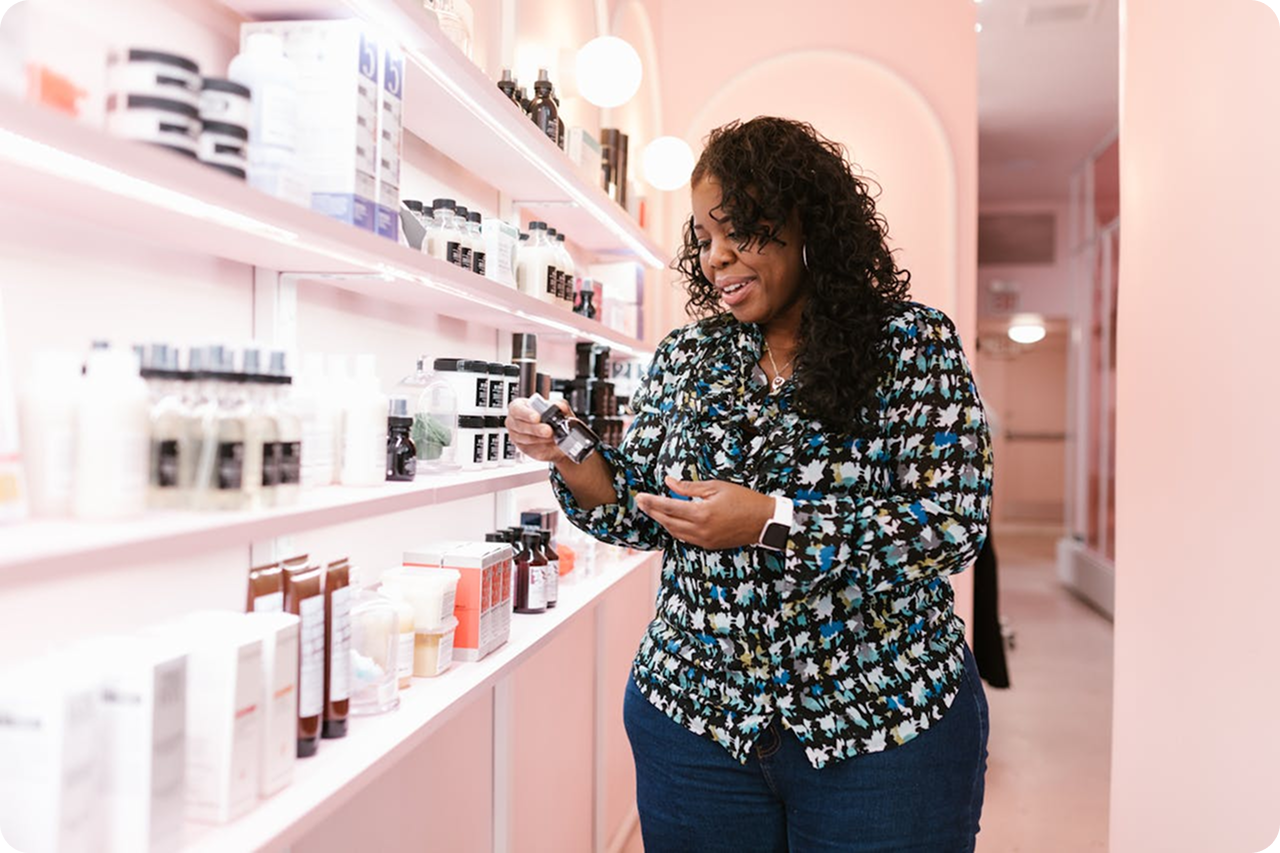
What Is Consumables and Retail Inventory Management?
Consumables are products that a business uses during daily operations or while providing services. They may be used up, discarded, or replaced regularly.
Retail inventory consists of products a business purchases or manufactures to sell to customers. Unlike consumables, these items generate direct sales revenue.
For example, a beauty salon might use hair dye during appointments while selling shampoo and conditioner to clients. Both types of inventory need monitoring, but they serve different purposes.
Why Inventory Management Matters for Service Businesses
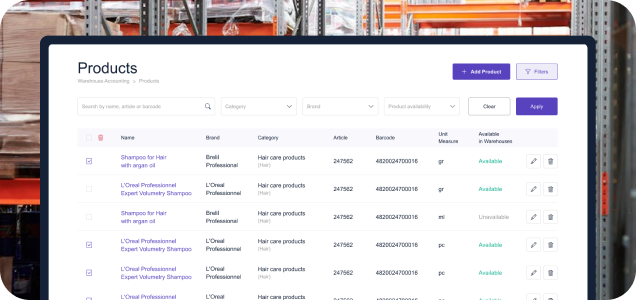
1. Prevent Stockouts and Service Disruptions
Running out of essential supplies can interrupt appointments, delay repairs, or force employees to reschedule customers. Even a small shortage can affect the entire day's schedule.
Inventory management helps businesses monitor stock levels and identify items that need replenishment before they run out.
- Track essential consumables and frequently sold products.
- Set minimum stock levels for important items.
- Review low-stock alerts before placing orders.
- Keep enough supplies for busy periods.
For example, a nail salon can monitor its most frequently used gel polish colors and reorder popular shades before they become unavailable.

2. Control Costs and Reduce Waste
Consumables directly affect service costs. If employees use too much product, supplies expire, or purchases exceed actual demand, profit margins can suffer.
A clear inventory process helps businesses understand how much stock they use and where unnecessary expenses occur.
- Monitor product usage across services.
- Identify expired, damaged, or slow-moving items.
- Avoid buying excessive quantities.
- Compare supplier prices and purchasing frequency.
- Investigate unusual differences between expected and actual stock.
This is particularly important for businesses that work with expensive materials, perishable products, or items with limited shelf lives.

3. Understand the True Cost of Each Service
Knowing the cost of a service involves more than calculating employee wages. Businesses also need to account for the products and materials used during each appointment or job.
For instance, a hair coloring service may require dye, developer, shampoo, and other supplies. Tracking these costs helps the salon estimate service profitability and review its pricing when expenses increase.
When inventory data is combined with service and sales information, managers can make more informed decisions about pricing, promotions, and product usage.
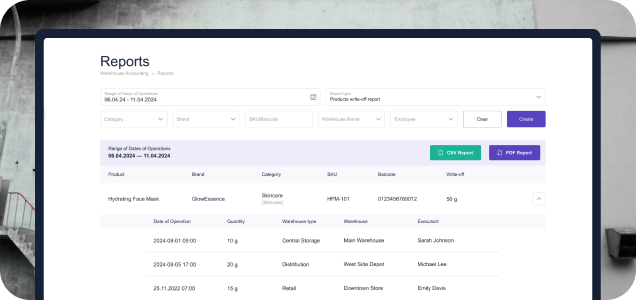
4. Manage Retail Sales More Effectively
Many service businesses earn additional revenue by selling products that complement their services. Salons sell haircare products, spas offer skincare items, and fitness studios may sell accessories or supplements.
Retail inventory management helps businesses understand which products customers buy most often and which items remain on shelves.
- Track stock quantities and sales.
- Identify bestsellers and slow-moving products.
- Monitor product costs and selling prices.
- Reorder popular items based on demand.
- Review retail performance over time.
For example, a skincare clinic may notice that a particular moisturizer sells frequently after facial treatments. Keeping it in stock helps the clinic meet customer demand and capture additional sales.
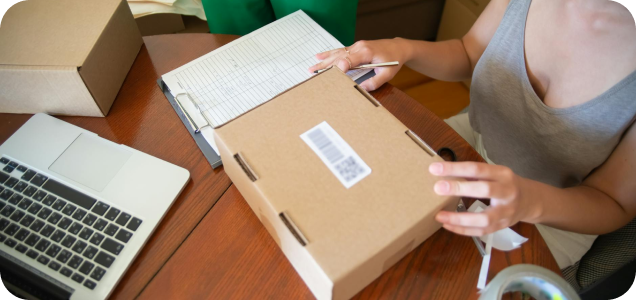
5. Improve Purchasing and Supplier Planning
Without reliable stock information, businesses may place orders too frequently, purchase more than they need, or pay for urgent deliveries.
Inventory records make purchasing more predictable. Managers can use sales history, product usage, supplier lead times, and seasonal demand to plan orders.
A simple replenishment routine should include checking stock, reviewing upcoming appointments, identifying fast-moving products, and confirming delivery times before placing an order.

6. Maintain Consistent Service Quality
The quality of a service often depends on having the right materials available. Substituting an unfamiliar product or using a different material because the usual one is out of stock can affect the customer experience.
Keeping supplies organized helps employees follow consistent procedures and use the products intended for each service.
It also makes it easier to monitor expiration dates, product condition, and storage requirements.
Consumables vs. Retail Inventory: Key Differences
Although both inventory types need tracking, they have different roles in a service business.
Inventory Type
Examples
Main Purpose
What to Track
Consumables
Hair dye, massage oil, cleaning supplies
Support daily operations and services
Usage, remaining quantities, expiration dates
Retail products
Shampoo, skincare, accessories
Generate additional sales revenue
Sales, purchase cost, selling price, stock levels
Spare parts
Filters, cables, replacement components
Complete repairs and maintenance
Part numbers, quantities, supplier lead times
Disposable supplies
Gloves, tissues, paper towels
Maintain hygiene and operational standards
Consumption rate, minimum stock, reorder needs
Separating these categories helps businesses understand how inventory affects service costs and retail revenue.
How to Set Up an Effective Inventory Management Process
A reliable system does not need to be complicated. Start with a consistent process and improve it as the business grows.
- Create a product catalog: Record each item’s name, category, supplier, purchase cost, and current quantity.
- Separate consumables from retail stock: Make it clear which products are used internally and which are intended for sale.
- Set minimum stock levels: Define when each important item should be reordered.
- Record stock movements: Track deliveries, usage, sales, damaged goods, and adjustments.
- Perform regular stock counts: Compare recorded quantities with the physical inventory and investigate discrepancies.
- Review inventory reports: Identify excessive usage, slow-moving products, and frequently purchased items.
- Assign responsibility: Decide who can receive deliveries, update stock records, and approve inventory adjustments.
Consistency is more important than complexity. Even a small business can benefit from following the same process every week.


How ME-POS Supports Inventory Management
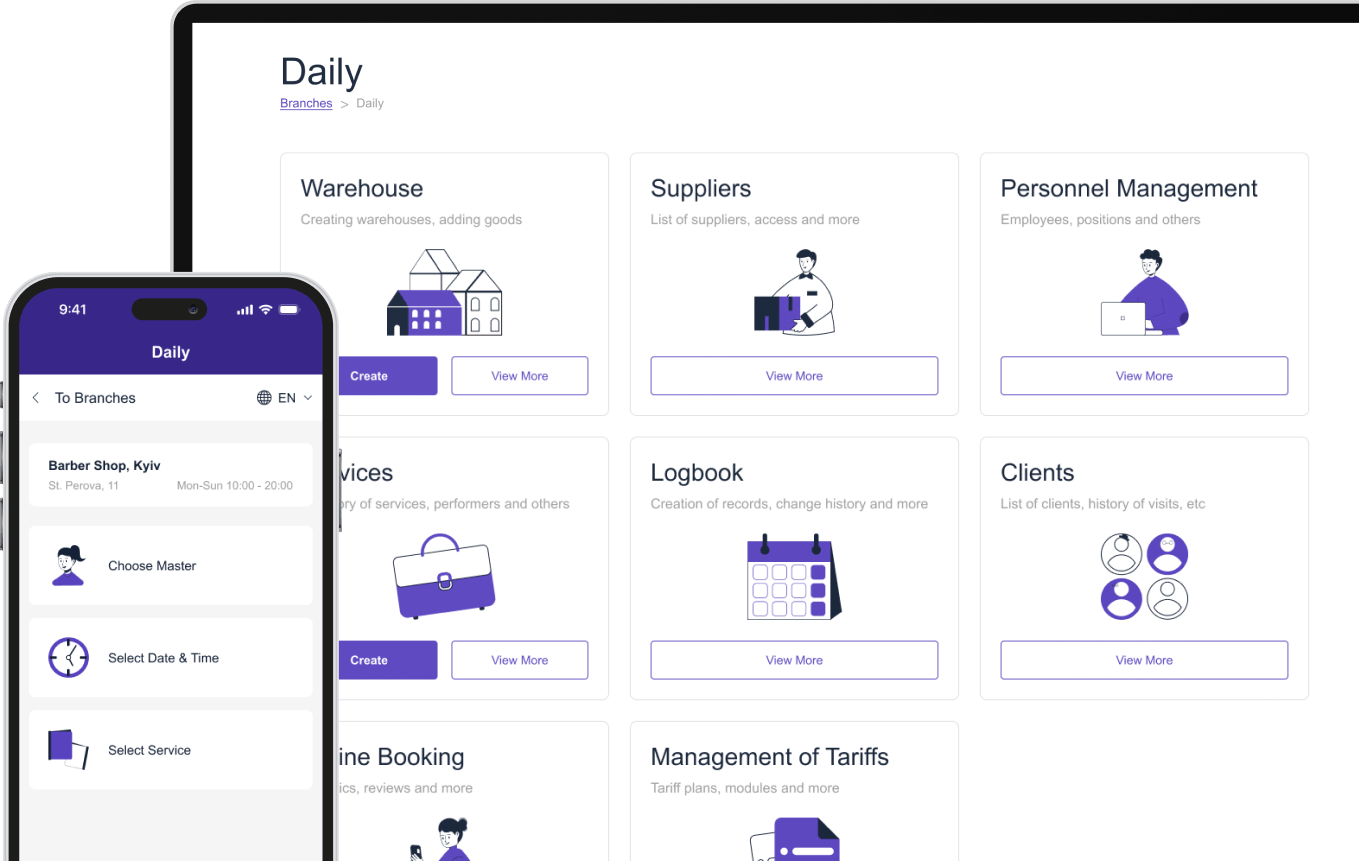
Managing appointments, services, retail sales, and stock separately can create extra administrative work. ME-POS brings important business operations together in a POS and CRM platform, helping service businesses manage sales, customers, employees, and inventory more efficiently.
Relevant ME-POS capabilities include:
- Inventory control: Keep track of products and stock quantities to support more organized purchasing and stock monitoring.
- Product sales management: Manage retail products and their sales alongside everyday business operations.
- POS transactions: Process customer purchases and keep sales activity organized.
- Customer management: Maintain customer information and support more personalized service.
- Appointment booking: Organize appointments and schedules for service-based businesses.
- Analytics and reporting: Review business performance and use available data to support operational decisions.
- Employee management: Organize staff activities and coordinate daily operations.
By bringing these workflows into one system, ME-POS can help reduce manual administration and give managers a clearer view of their business. Available functions may depend on the business setup and selected plan.
Start Your Me-Pos
Experience for Free!
Make sure that Me-Pos Online Booking meets your needs and requirements before making a final decision.
Use for Free
Common Inventory Management Mistakes to Avoid
Even with a system in place, certain habits can lead to inaccurate stock records and unnecessary costs.
- Mixing consumables with retail products: This makes it harder to distinguish service expenses from sales inventory.
- Relying on memory: Employees may forget to record product usage or sales.
- Ordering without checking demand: Excess stock ties up money and may expire before it is used.
- Ignoring slow-moving products: Items that rarely sell can take up valuable storage space.
- Skipping stock counts: Small recording errors can accumulate and create larger discrepancies.
- Failing to assign responsibility: Unclear ownership can lead to inconsistent updates and missing records.
Reviewing these practices regularly helps keep inventory information reliable.

Conclusion
Consumables and retail inventory management are essential for service businesses that want to control costs, avoid shortages, and maintain consistent service quality. Tracking supplies used during appointments separately from products sold to customers also makes it easier to understand expenses and identify additional revenue opportunities.
With a clear inventory process and a suitable POS system, businesses can make purchasing more predictable, reduce waste, and manage daily operations with greater confidence. ME-POS helps bring inventory, sales, appointments, customer management, and reporting together, supporting a more organized approach to running a service business.
Frequently Asked Questions about Consumables and Retail Inventory Management
Consumables are supplies used while delivering services or running daily operations. Retail inventory consists of products held for sale to customers.
Fast-moving or essential items may need weekly checks, while other products can be reviewed less frequently. Businesses should also perform physical stock counts regularly and adjust the schedule based on sales volume and product risk.
It helps businesses avoid over-ordering, identify waste, monitor product usage, and prevent expensive last-minute purchases. More accurate records also support better purchasing decisions.
A POS platform can help track retail sales and inventory information in one place. The ability to connect service usage directly to consumable stock depends on the system's specific features and configuration.
Salons, spas, clinics, repair shops, fitness studios, cleaning companies, and other service providers can benefit from inventory management whenever they use supplies, maintain spare parts, or sell products to customers.
Me-Pos Team
Last modified 02.10.2026
Was This Article Helpful?
Click on a star to rate it!
Thank you for your vote!

Average Rating: 5/5 Votes: 1
Be the first to rate this post!
Share with Friends:









































View more
Related Articles

1284
5
Licenses and Permits Needed to Open a Restaurant
Opening a restaurant is an exciting yet challenging endeavor that requires more than just a great concept and a mouth-watering menu. Among the first a...
Me-Pos Team
|
12.12.2024
|
16min

162
5
Restaurant Menu Engineering: How to Design a More Profitable Menu
A restaurant menu does much more than tell customers what they can order. It can influence what they notice, what they choose, and how much they spend...
Me-Pos Team
|
03.09.2026
|
9min
218
5
Digital Menu vs PDF Menu: Which Is Better for Your Restaurant?
Restaurants have more ways than ever to present their food and drinks to customers. A printed menu is no longer the only option. Today, businesses can...
Me-Pos Team
|
14.08.2026
|
11min
294
5
QR Menu vs Traditional Menu: Cost, Efficiency, and Customer Experience
The restaurant industry has changed dramatically in recent years. As customer expectations evolve and operational costs continue to rise, businesses a...
Me-Pos Team
|
25.05.2026
|
12min
360
5
Why Every Restaurant Needs a QR Menu in 2026: Trends, Costs, and Customer Expectations
The restaurant industry is changing faster than ever. In 2026, customers expect speed, convenience, personalization, and contactless service as standa...
Me-Pos Team
|
18.05.2026
|
12min

381
5
How to Scale a Service Business Without Losing Quality
Scaling a service business is exciting — more clients, more revenue, and stronger market presence. But growth comes with a serious challenge: maintain...
Me-Pos Team
|
30.03.2026
|
8min

735
5
A Comprehensive Guide on How to Start a Small Business Successfully
So, you’re thinking about starting up a small business? That’s awesome! Whether you’re doing it for personal fulfillment, to escape the 9-to-5 grind, ...
Me-Pos Team
|
11.03.2025
|
10min

945
5
How to Open a Coffee Shop?
Opening a coffee bar can be a rewarding business venture, combining the love of coffee with the opportunity to create a community space. This comprehe...
Me-Pos Team
|
21.08.2024
|
15min

1064
5
How to Open a Hair Salon: A Comprehensive Startup Guide
Starting a hair salon can be an exciting and rewarding venture. This comprehensive guide aims to provide you with information on how to open a hairdre...
Me-Pos Team
|
30.10.2024
|
13min
713
5
20 Tips to Choose the Best Accounting Software for Small Businesses
Choosing the best small business software accounting can be a daunting task, given the multitude of options available in the market. The right softwar...
Me-Pos Team
|
28.10.2024
|
15min

981
5
How to Open a Nails Salon: 18 Tips for Success
Starting a nail salon business is an exciting venture that requires careful planning and preparation. The foundation of a successful nail salon lies i...
Me-Pos Team
|
28.10.2024
|
13min
2350
5
The Ultimate Guide to Restaurant Promotion Ideas: Boost Your Business
Effective promotion strategies are crucial for the success of any restaurant. This comprehensive guide is designed to help restaurant owners and manag...
Me-Pos Team
|
24.10.2024
|
16min

1145
5
How to Open a Bakery?
This guide will walk you through the essential steps to open a bakery shop, from initial planning to the grand opening. Whether you’re a first-time en...
Me-Pos Team
|
30.09.2024
|
17min

1447
4.5
How to Open a Beauty Salon and How Much Does it Cost?
Opening a beauty salon is an exciting venture that requires careful planning, research, and a clear understanding of the costs involved. Proper planni...
Me-Pos Team
|
25.10.2024
|
12min

1225
3.7
How to Name a Restaurant?
This guide will walk you through the essential steps to choosing awesome names for restaurants, ensuring they resonate with your target audience and s...
Me-Pos Team
|
30.09.2024
|
15min

567
3.6
CRM for Service Industry 2026: 7 Essential Features Your Business Needs
In 2026, customer expectations are higher than ever. Clients want seamless communication, personalized experiences, fast service, and easy booking — a...
Me-Pos Team
|
19.02.2026
|
7min
1284
5
Licenses and Permits Needed to Open a Restaurant
Opening a restaurant is an exciting yet challenging endeavor that requires more than just a great concept and a mouth-watering menu. Among the first a...
Me-Pos Team
|
12.12.2024
|
16min
162
5
Restaurant Menu Engineering: How to Design a More Profitable Menu
A restaurant menu does much more than tell customers what they can order. It can influence what they notice, what they choose, and how much they spend...
Me-Pos Team
|
03.09.2026
|
9min
218
5
Digital Menu vs PDF Menu: Which Is Better for Your Restaurant?
Restaurants have more ways than ever to present their food and drinks to customers. A printed menu is no longer the only option. Today, businesses can...
Me-Pos Team
|
14.08.2026
|
11min
294
5
QR Menu vs Traditional Menu: Cost, Efficiency, and Customer Experience
The restaurant industry has changed dramatically in recent years. As customer expectations evolve and operational costs continue to rise, businesses a...
Me-Pos Team
|
25.05.2026
|
12min
360
5
Why Every Restaurant Needs a QR Menu in 2026: Trends, Costs, and Customer Expectations
The restaurant industry is changing faster than ever. In 2026, customers expect speed, convenience, personalization, and contactless service as standa...
Me-Pos Team
|
18.05.2026
|
12min
381
5
How to Scale a Service Business Without Losing Quality
Scaling a service business is exciting — more clients, more revenue, and stronger market presence. But growth comes with a serious challenge: maintain...
Me-Pos Team
|
30.03.2026
|
8min
735
5
A Comprehensive Guide on How to Start a Small Business Successfully
So, you’re thinking about starting up a small business? That’s awesome! Whether you’re doing it for personal fulfillment, to escape the 9-to-5 grind, ...
Me-Pos Team
|
11.03.2025
|
10min
945
5
How to Open a Coffee Shop?
Opening a coffee bar can be a rewarding business venture, combining the love of coffee with the opportunity to create a community space. This comprehe...
Me-Pos Team
|
21.08.2024
|
15min
1064
5
How to Open a Hair Salon: A Comprehensive Startup Guide
Starting a hair salon can be an exciting and rewarding venture. This comprehensive guide aims to provide you with information on how to open a hairdre...
Me-Pos Team
|
30.10.2024
|
13min
713
5
20 Tips to Choose the Best Accounting Software for Small Businesses
Choosing the best small business software accounting can be a daunting task, given the multitude of options available in the market. The right softwar...
Me-Pos Team
|
28.10.2024
|
15min
981
5
How to Open a Nails Salon: 18 Tips for Success
Starting a nail salon business is an exciting venture that requires careful planning and preparation. The foundation of a successful nail salon lies i...
Me-Pos Team
|
28.10.2024
|
13min
2350
5
The Ultimate Guide to Restaurant Promotion Ideas: Boost Your Business
Effective promotion strategies are crucial for the success of any restaurant. This comprehensive guide is designed to help restaurant owners and manag...
Me-Pos Team
|
24.10.2024
|
16min
1145
5
How to Open a Bakery?
This guide will walk you through the essential steps to open a bakery shop, from initial planning to the grand opening. Whether you’re a first-time en...
Me-Pos Team
|
30.09.2024
|
17min
1447
4.5
How to Open a Beauty Salon and How Much Does it Cost?
Opening a beauty salon is an exciting venture that requires careful planning, research, and a clear understanding of the costs involved. Proper planni...
Me-Pos Team
|
25.10.2024
|
12min
1225
3.7
How to Name a Restaurant?
This guide will walk you through the essential steps to choosing awesome names for restaurants, ensuring they resonate with your target audience and s...
Me-Pos Team
|
30.09.2024
|
15min
567
3.6
CRM for Service Industry 2026: 7 Essential Features Your Business Needs
In 2026, customer expectations are higher than ever. Clients want seamless communication, personalized experiences, fast service, and easy booking — a...
Me-Pos Team
|
19.02.2026
|
7min
View more
