
Restaurant Menu Engineering: How to Design a More Profitable Menu
A restaurant menu does much more than tell customers what they can order. It can influence what they notice, what they choose, and how much they spend.
This is where menu engineering comes in. Instead of treating the menu as a simple list of dishes, restaurant owners can use sales data, pricing, food costs, and thoughtful menu design to create a more profitable selection.
The goal isn't to make customers spend more at any cost. It's to make the menu easier to navigate while highlighting dishes that are valuable for both the customer and the business.

What Is Menu Engineering?
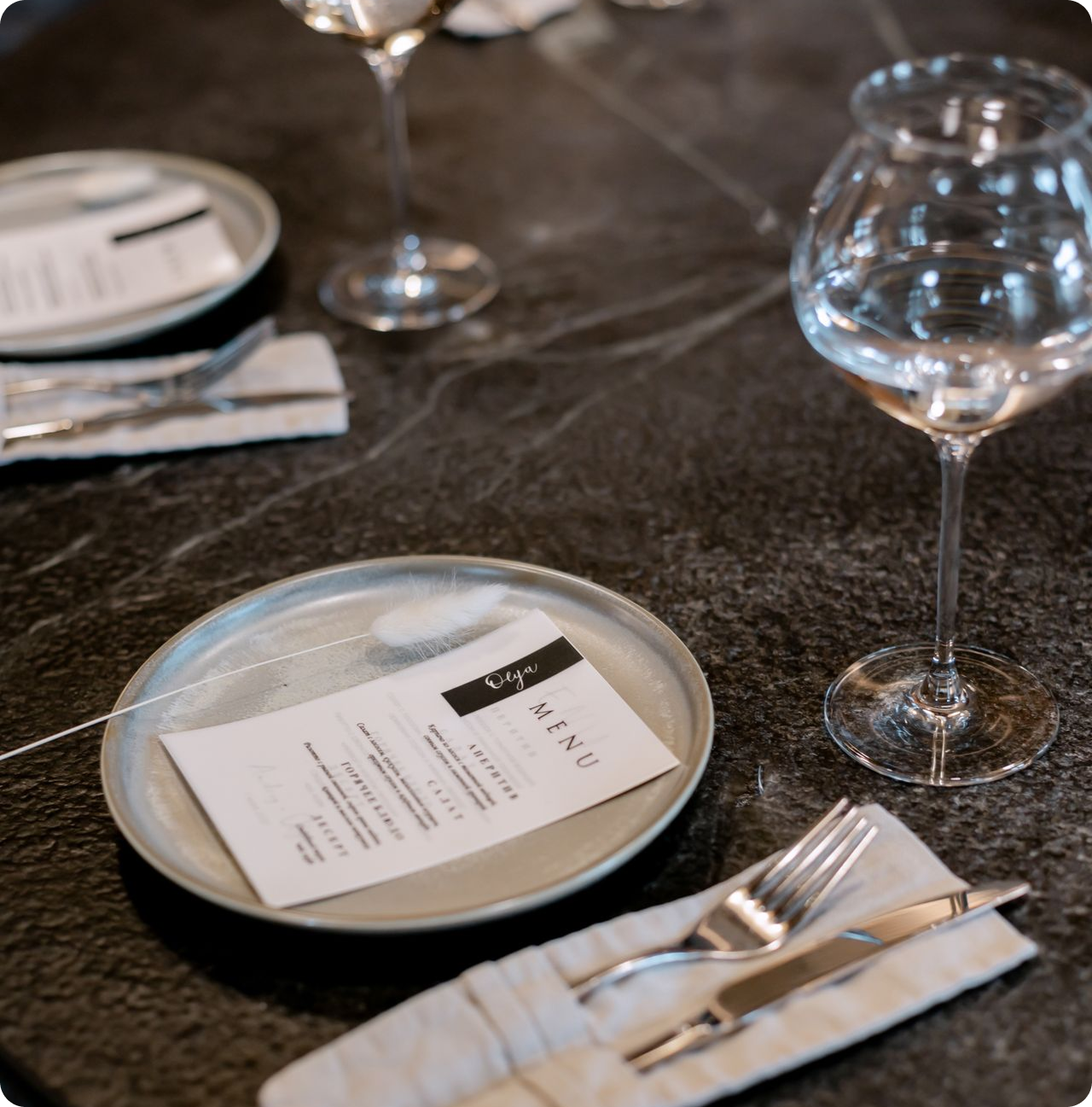
Menu engineering is the process of analyzing menu items based on two main factors: popularity and profitability.
A dish may sell extremely well but generate little profit. Another may have a high margin but rarely be ordered.
Looking at both factors gives restaurant owners a clearer picture of which dishes deserve more attention and which may need adjustment.
A simple analysis can consider:
- Number of units sold
- Selling price
- Food cost
- Gross profit per dish
- Contribution to total sales
- Customer preferences
This information becomes the foundation for effective menu optimization.
Start With Your Food Cost
Before changing prices or redesigning your menu, understand what each dish actually costs you.
Food cost includes the ingredients required to prepare a dish. For example, if a pasta dish sells for $16 and its ingredients cost $5, the gross profit before other expenses is $11.
The basic calculation is:
Food Cost Percentage = Food Cost ÷ Selling Price × 100
In this example:
$5 ÷ $16 × 100 = 31.25%
Knowing this number for each dish helps you understand which menu items contribute more to profitability.
Remember that food cost isn't the only expense involved in running a restaurant. Labor, rent, utilities, packaging, delivery fees, and other operating expenses also affect the final profit.
Analyze Popularity and Profitability Together
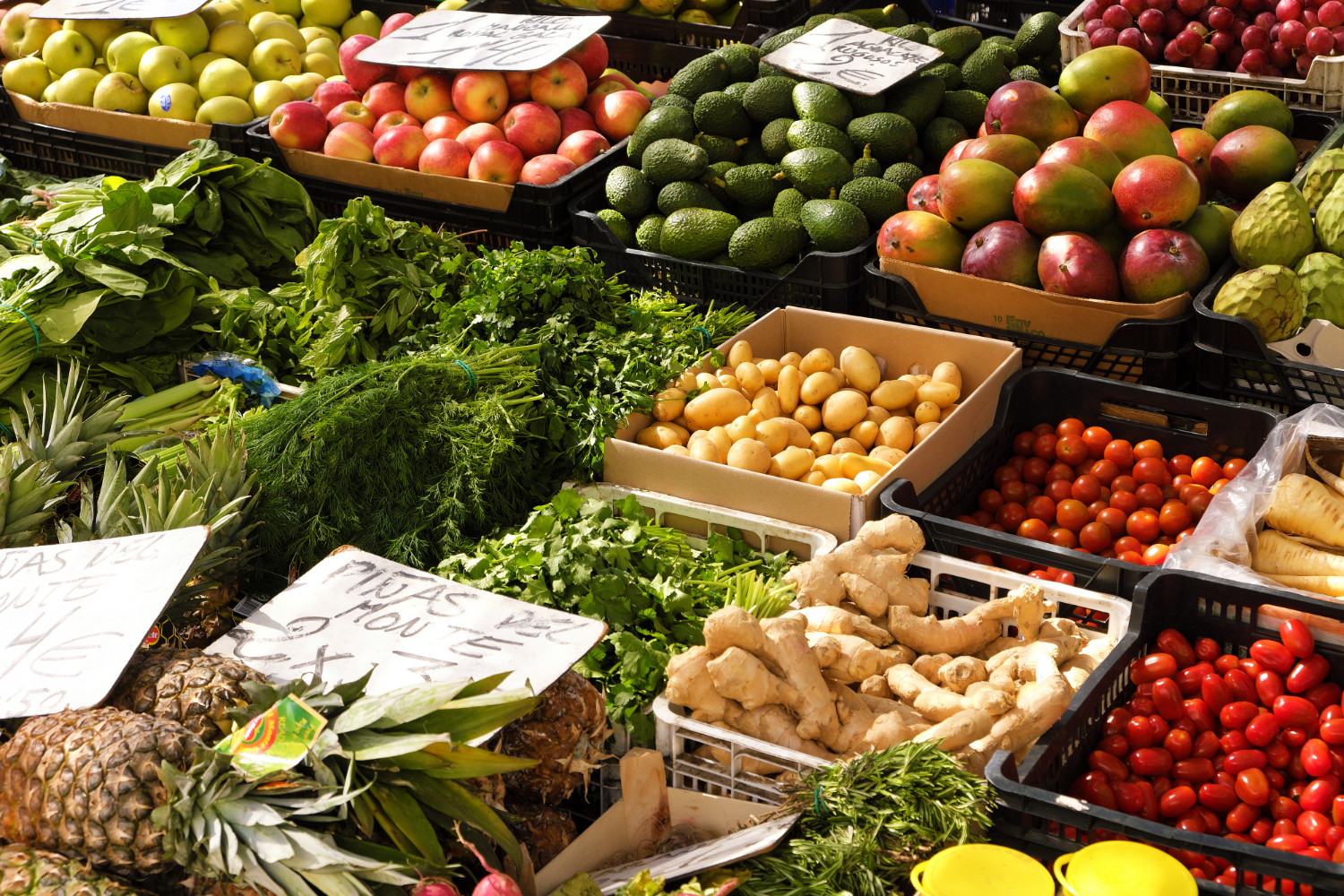
Looking only at sales volume can lead to poor decisions.
Imagine you have four dishes:
| Menu Item | Selling Price | Food Cost | Profit per Dish | Popularity |
| Chicken Burger | $15 | $5 | $10 | High |
| Pasta | $17 | $6 | $11 | High |
| Steak | $28 | $18 | $10 | Medium |
| Vegetable Bowl | $14 | $4 | $10 | Low |
The burger and pasta may deserve prominent positions because customers already like them. The vegetable bowl has a good margin but may need better positioning or promotion.
This is the heart of menu engineering: understanding how popularity and profitability work together.
Use Menu Categories Strategically
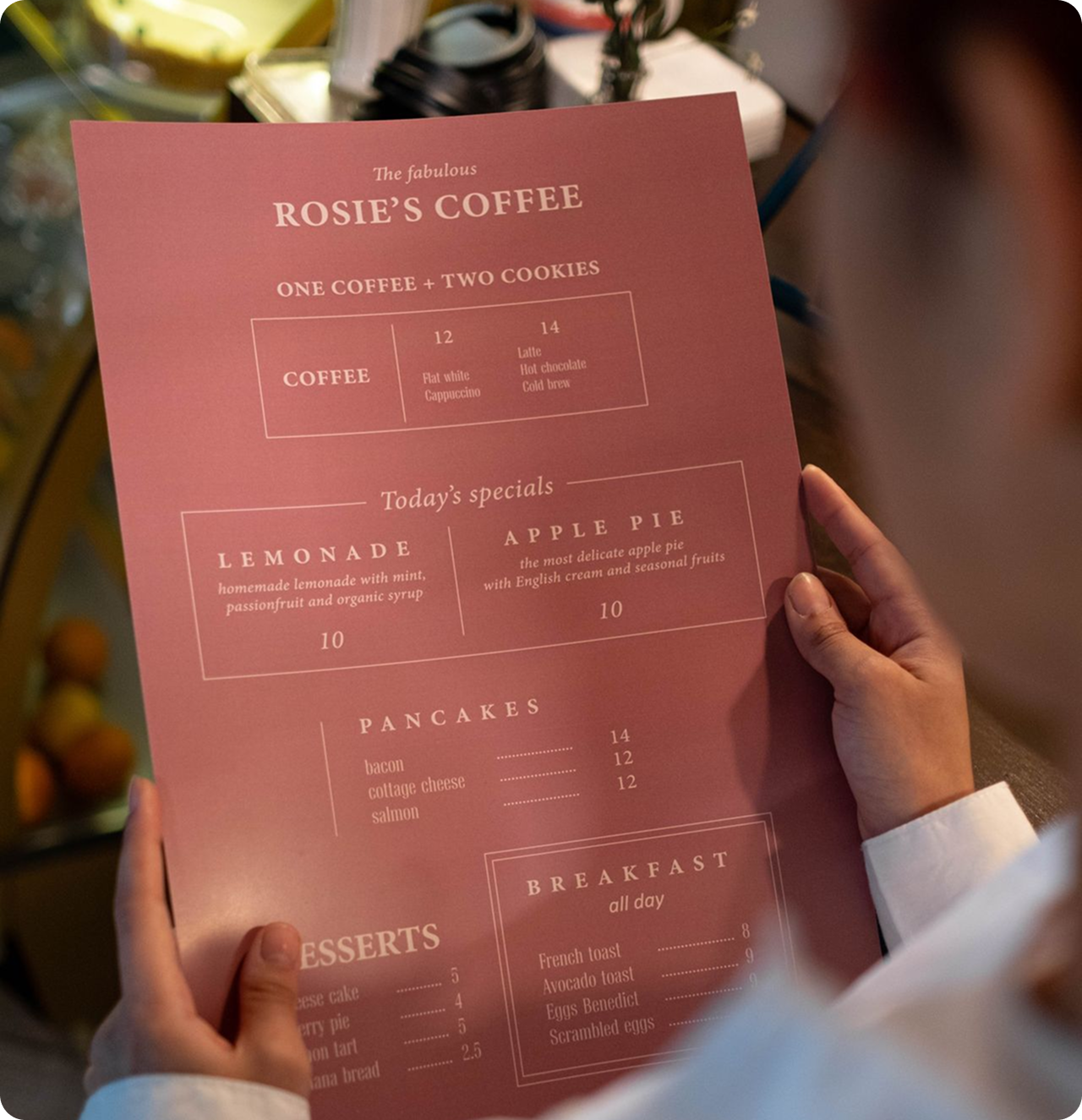
A well-organized menu makes it easier for customers to make decisions.
Instead of presenting dozens of dishes in one long list, divide them into logical categories.
For example:
- Starters
- Soups
- Salads
- Main Courses
- Burgers
- Pasta
- Desserts
- Coffee
- Cocktails
- Soft Drinks
You can then organize subcategories when necessary.
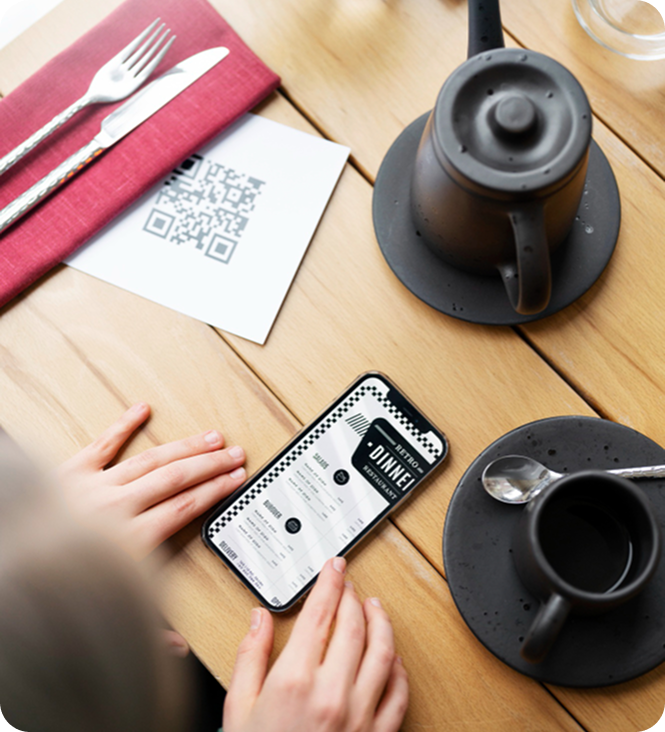
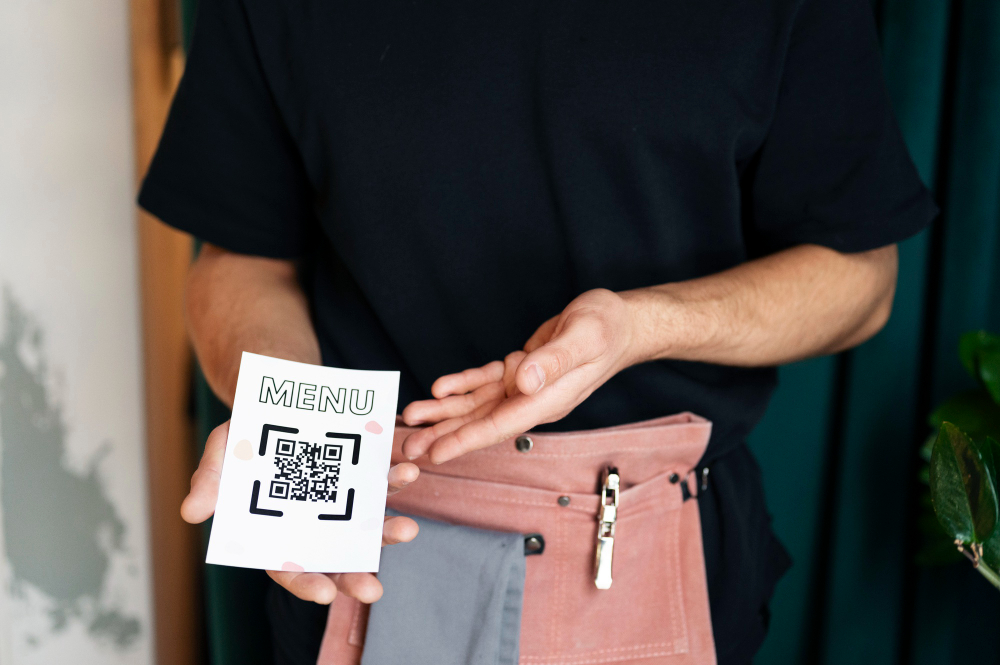
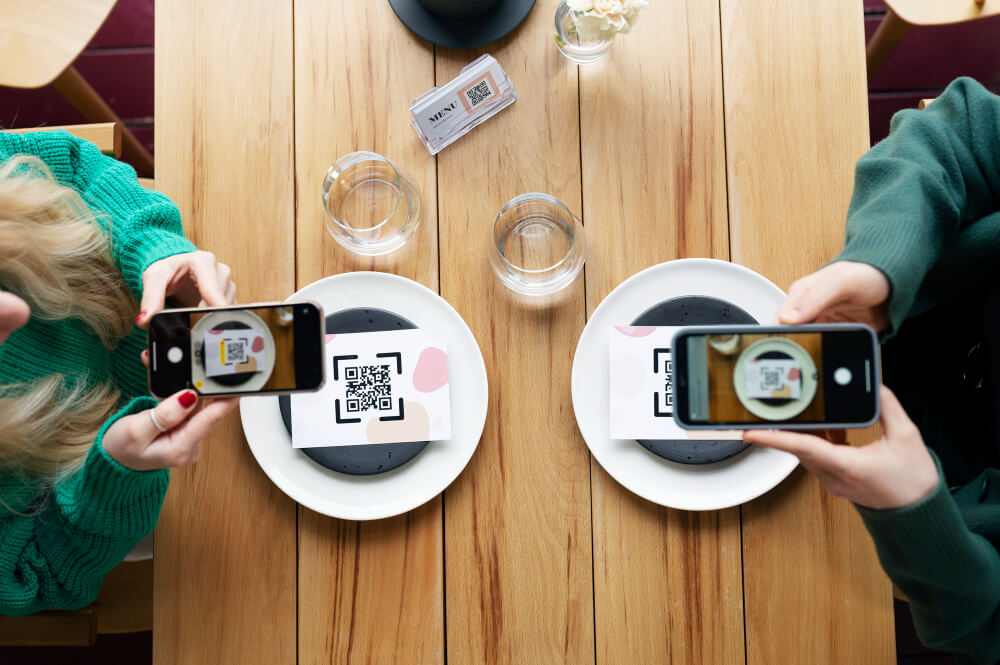
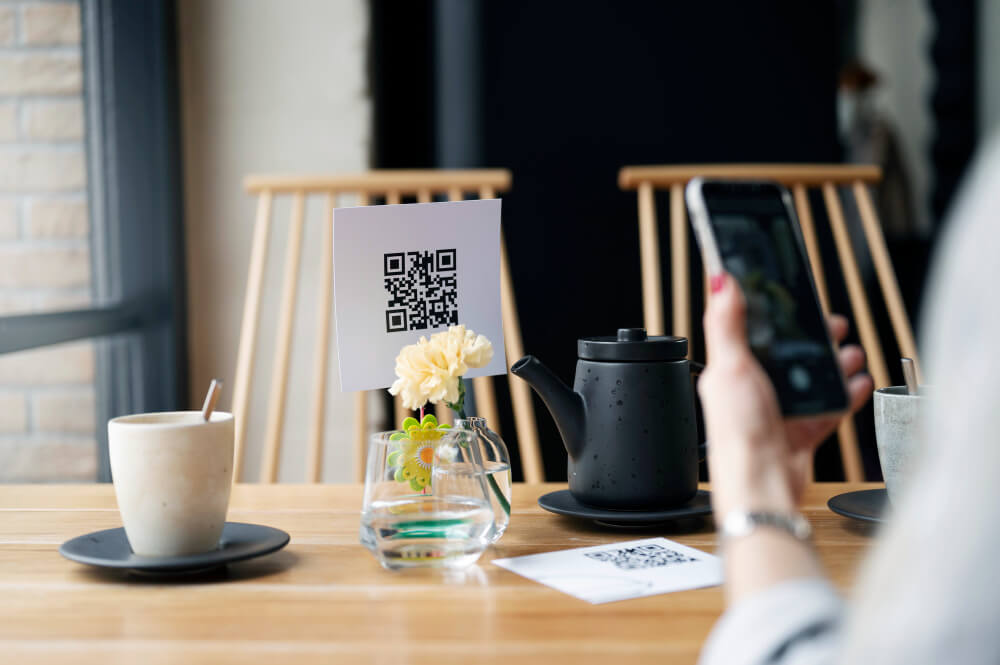
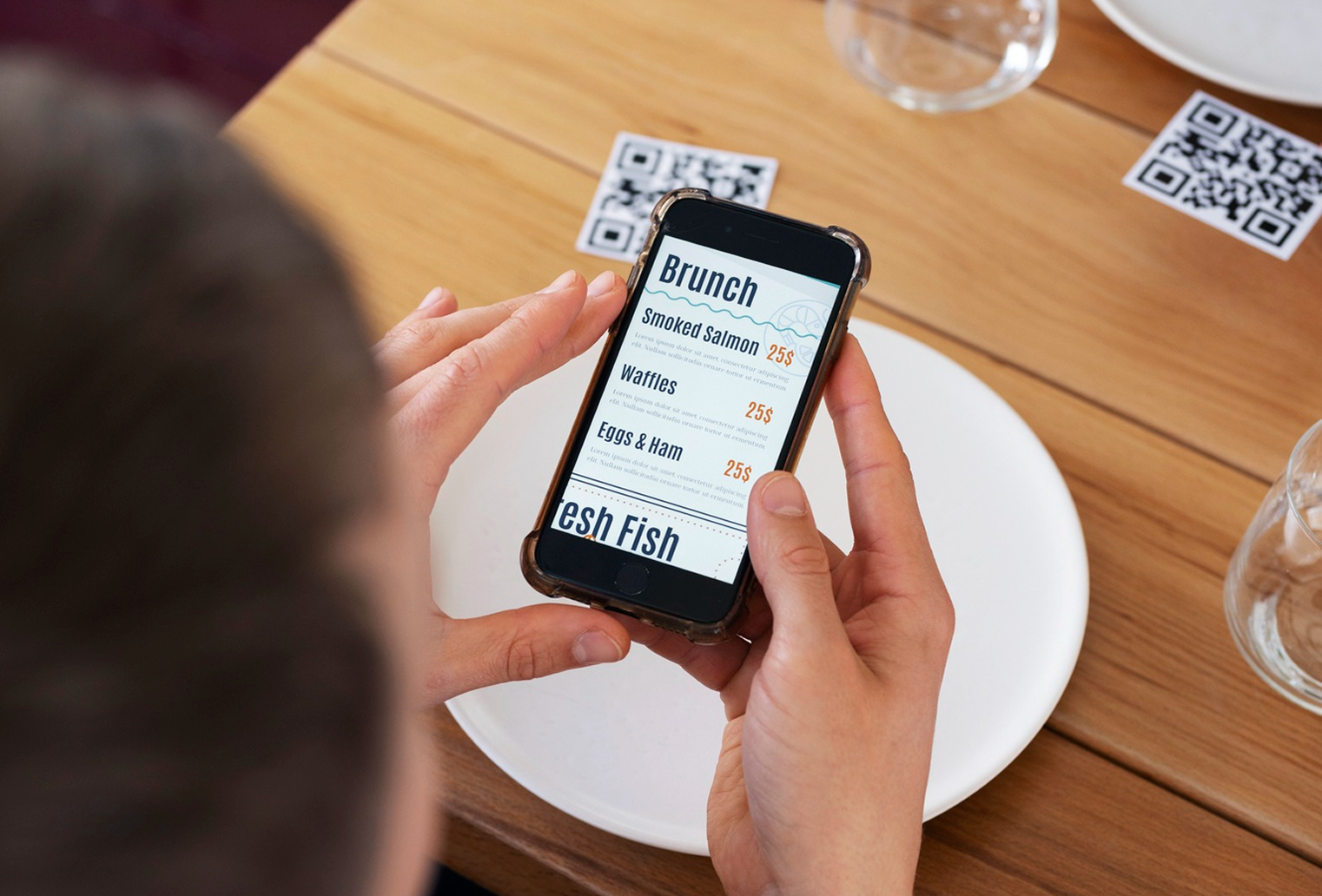
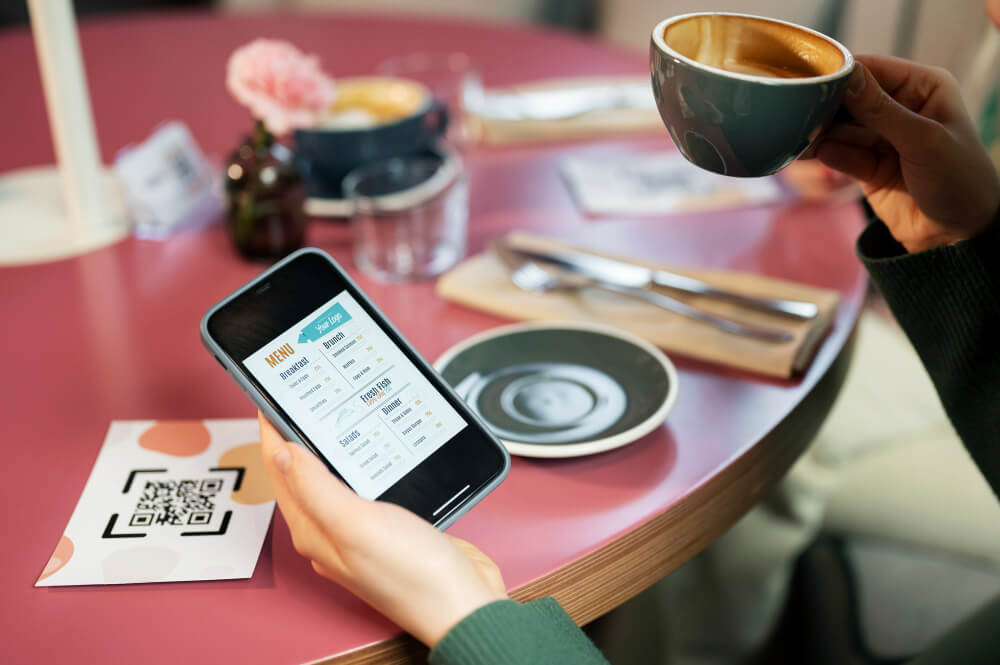
Digital menus make this particularly convenient because customers can navigate directly to the category they're interested in.
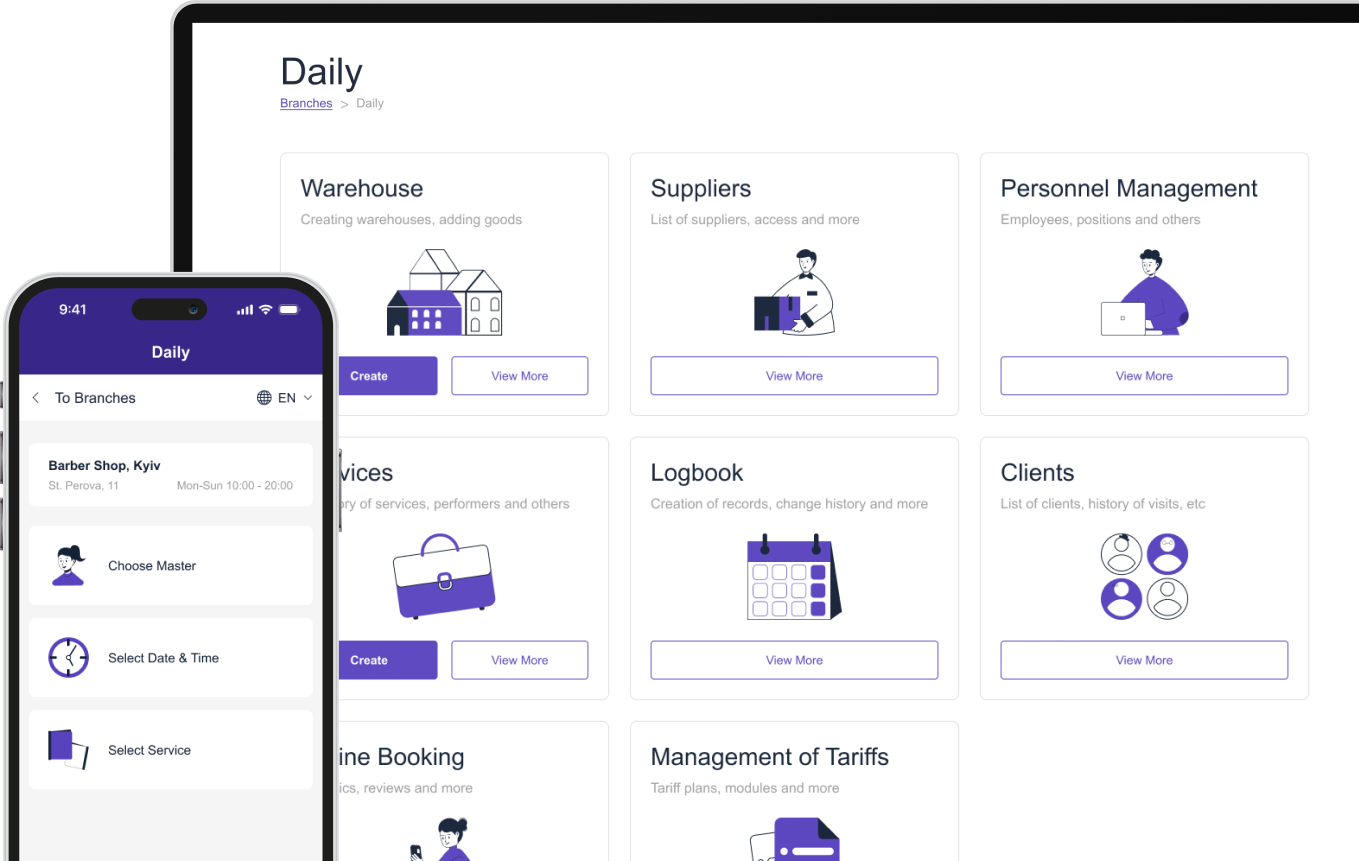
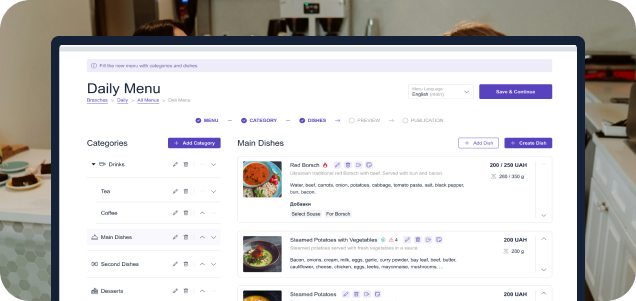
POS restaurant system like ME-POS allows restaurants to organize menus using categories and subcategories, helping businesses structure dishes in a clear and manageable way.
Start Your Me-Pos
Experience for Free!
Make sure that Me-Pos Online Booking meets your needs and requirements before making a final decision.
Use for Free
Highlight High-Value Dishes
Not every dish needs the same amount of attention.
If a particular dish has a strong combination of popularity and profitability, consider making it easier to notice.
You could use:
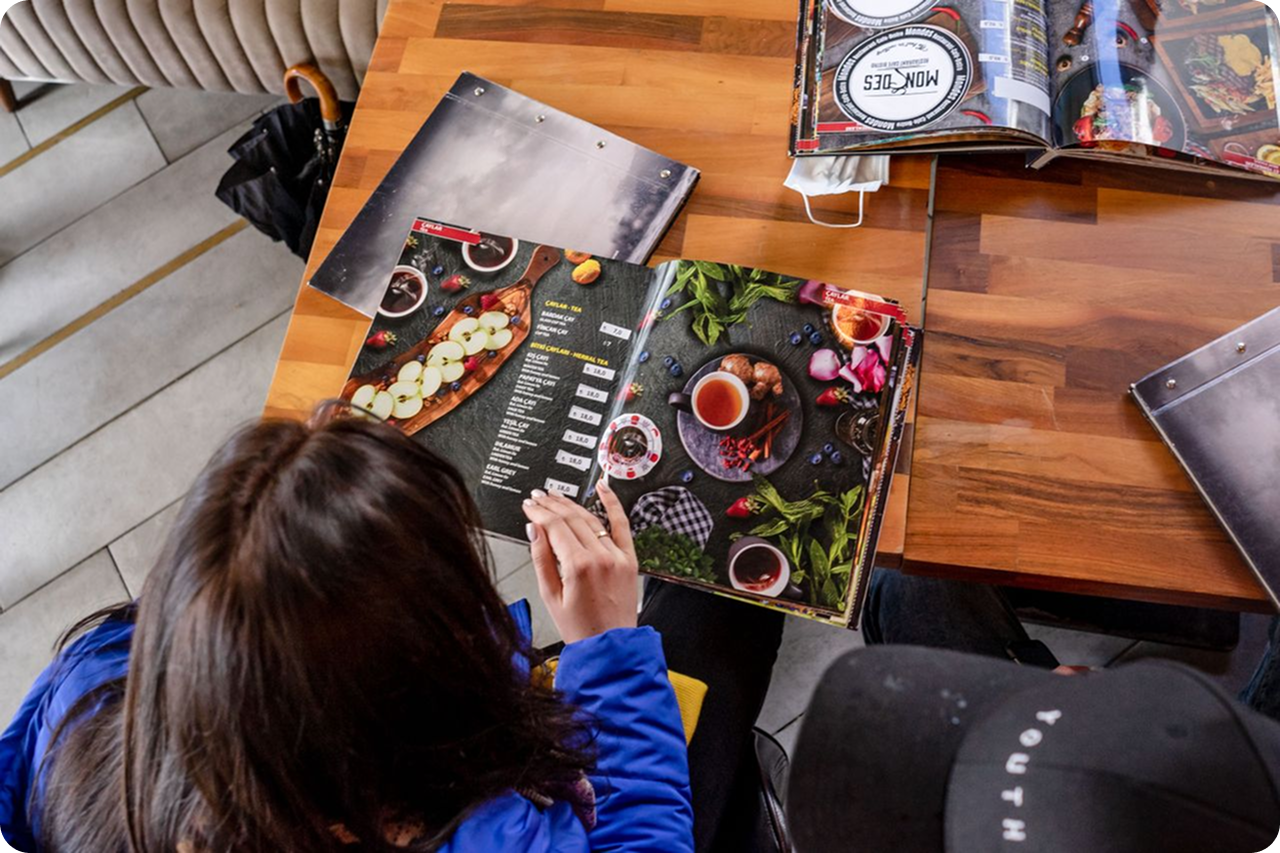
- A high-quality photo
- A short description
- A "Chef's Choice" label
- A recommended section
- Strategic positioning
- A distinctive visual treatment
However, don't overload the menu with highlights. If everything is emphasized, nothing actually stands out.
Improve Your Menu Descriptions
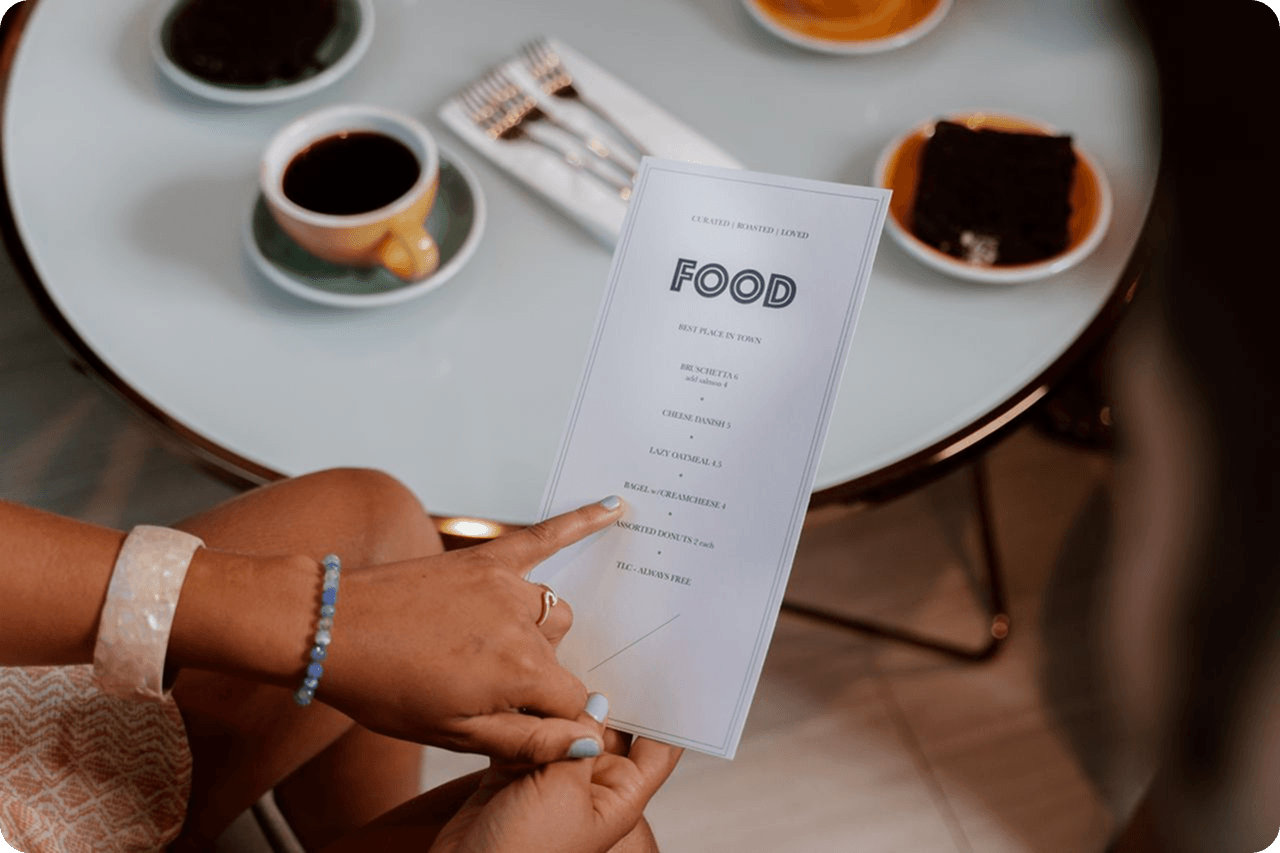
A good description should explain the dish without becoming unnecessarily long. Focus on details that make the dish sound appealing and help customers understand its value.
Consider including:
- Main ingredients — tell customers what the dish contains.
- Cooking method — mention if it is grilled, roasted, baked, smoked, or slow-cooked.
- Flavor profile — describe whether it is creamy, spicy, tangy, smoky, sweet, or savory.
- Special ingredients — highlight premium or distinctive components such as Parmesan, truffle oil, fresh herbs, or homemade sauces.
- Texture — words like crispy, tender, creamy, crunchy, or fluffy can make the dish more appealing.
- Serving details — mention portion size, side dishes, toppings, or garnishes when they add useful information.
Keep descriptions easy to scan, especially on a digital menu. Customers should understand what makes a dish appealing within a few seconds.
Use Portion Sizes to Create More Options
Different portion sizes can help serve customers with different appetites and budgets.
For example, a restaurant could offer:
- Regular pasta — $14
- Large pasta — $18
Or:
- Small salad — $8
- Large salad — $12
This approach can increase flexibility while creating opportunities for customers to choose a higher-value option.
ME-POS supports multiple portion sizes with individual pricing, allowing restaurants to manage these variations directly in their digital menu.
Don't Forget Add-Ons
Add-ons can increase the value of an order without requiring you to create an entirely new dish.
For example:
- Burger: Extra cheese, Bacon, Avocado, Fried egg
- Pizza: Extra cheese, mushrooms, chicken, spicy peppers
- Coffee: Extra espresso shot, alternative milk, flavored syrup
The key is relevance. Customers are more likely to select an add-on when it naturally complements their original order.
ME-POS supports add-on groups with optional or required selections and individual pricing, making it possible to structure these choices within digital menus.
Optimize Your Menu Based on Real Data
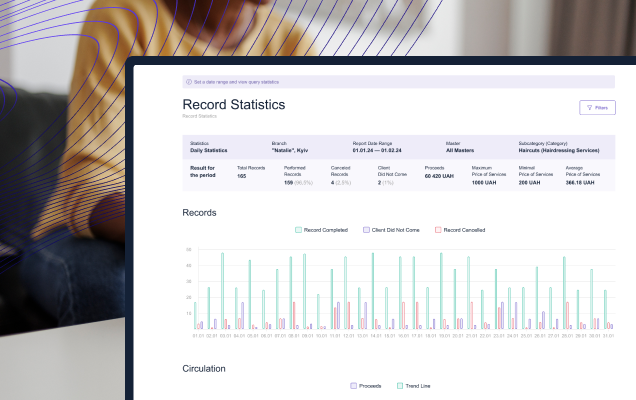
Menu optimization shouldn't be a one-time project.
Customer preferences change. Ingredient prices change. Seasonal demand changes. New competitors enter the market.
Review your menu regularly and ask:
- Which dishes sell the most?
- Which dishes generate the highest profit?
- Which items rarely sell?
- Which ingredients are becoming expensive?
- Are customers choosing certain add-ons?
- Are some dishes taking too long to prepare?
Use this information to make informed adjustments.
For example, if a dish sells poorly and has a low margin, you may remove it. If another dish sells extremely well but has rising ingredient costs, you may need to adjust its price or recipe.
Use Digital Menus to Make Changes Easier
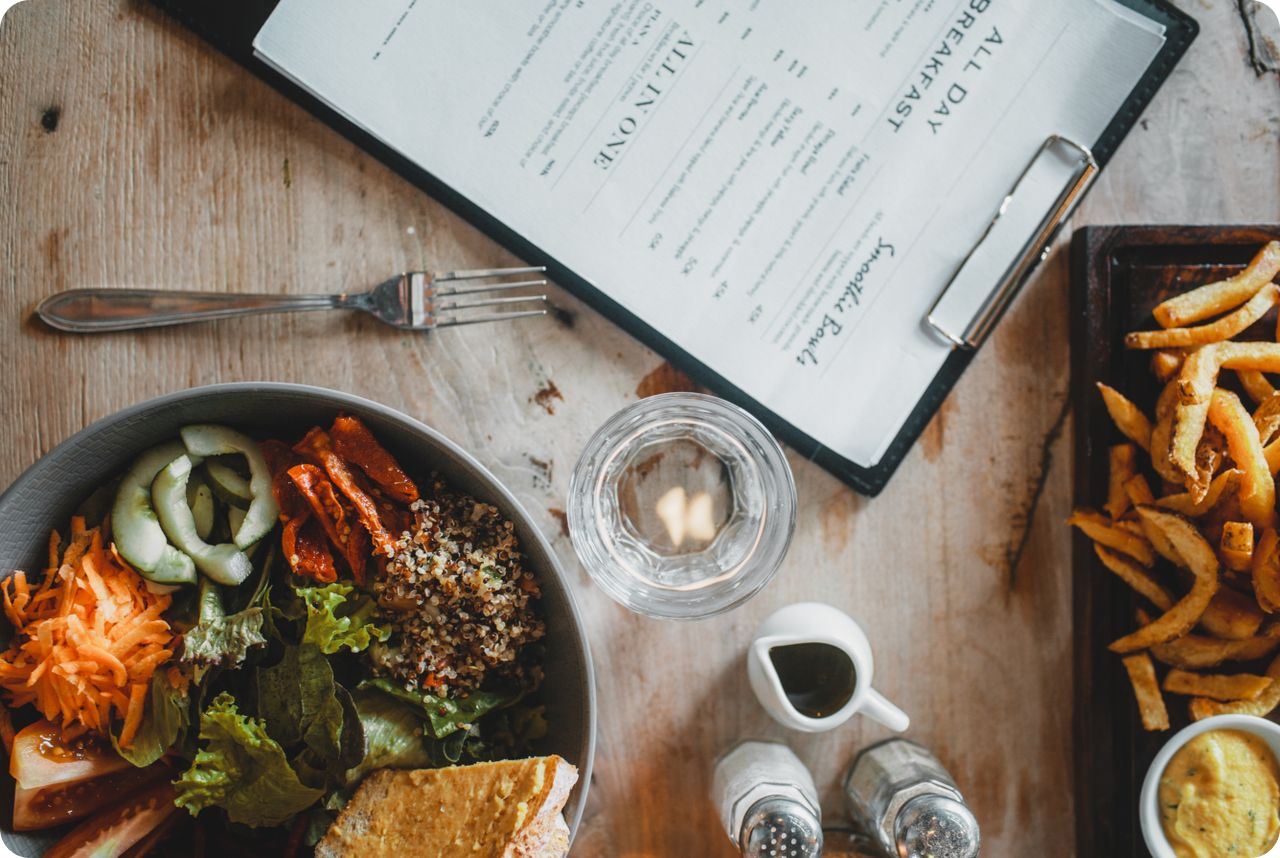
Traditional printed menus make experimentation more difficult.
Changing a price, removing a dish, or introducing a seasonal special means printing new menus.
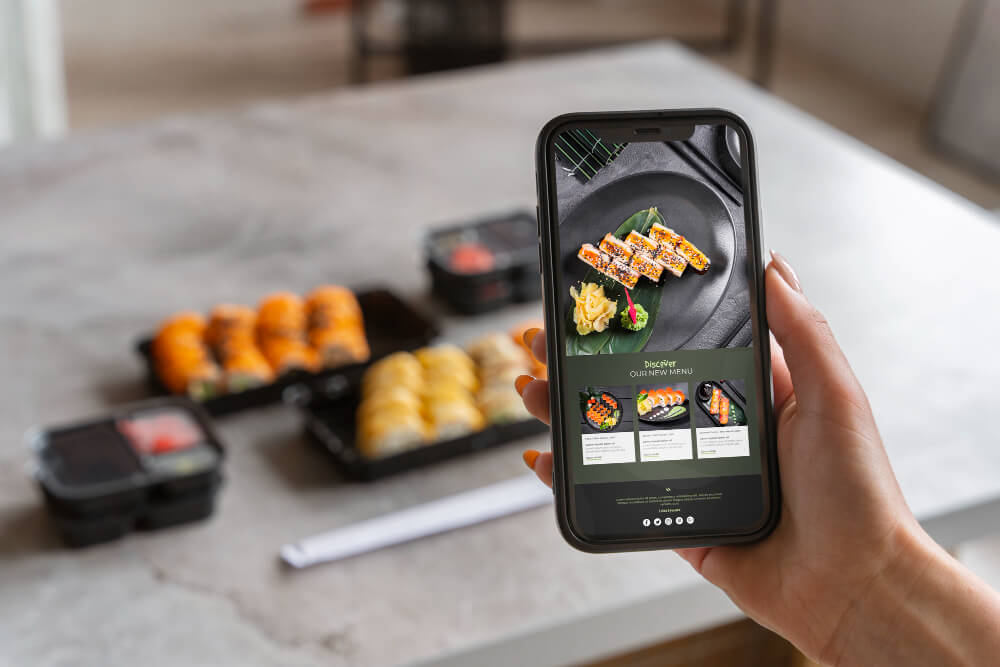
With a digital menu, these changes can be managed much more easily.
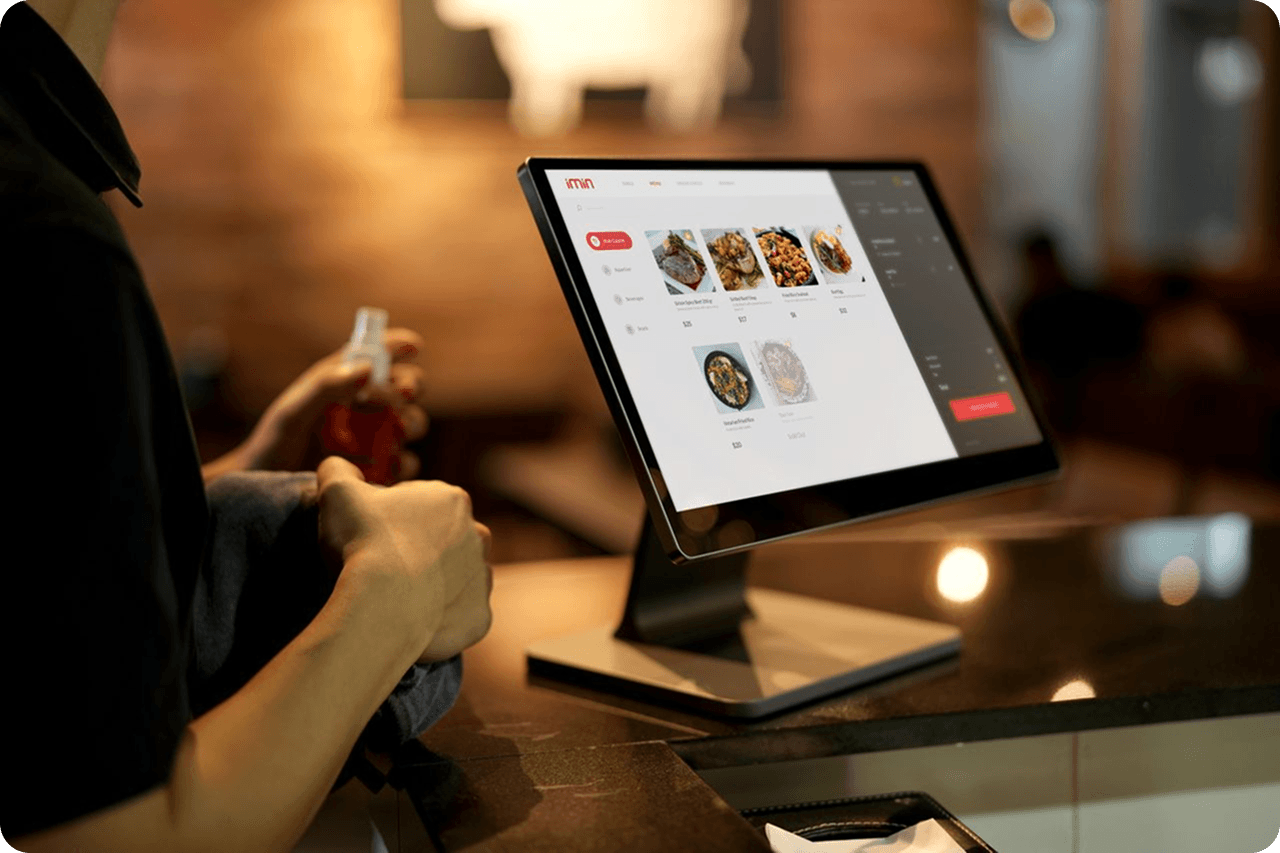
ME-POS allows restaurants to create multiple menus, manage dishes and categories, update prices, add photos and descriptions, and create separate menus for dine-in, delivery, and pickup.
This flexibility can make ongoing menu optimization much easier.

Think About the Customer, Not Just the Margin
A profitable menu still needs to provide a good customer experience.
Avoid making every decision based solely on profit.
Customers need to understand:
- What they're ordering
- How much it costs
- What's included
- What customization options are available
- Whether an item meets their dietary requirements
Clear information builds trust.
A menu that feels confusing or overly sales-focused can hurt the experience even if individual items have excellent margins.
Conclusion
Effective menu engineering combines numbers with thoughtful menu design.
Start by understanding your food cost, then analyze which dishes are popular and which generate the strongest margins. Use this information to improve pricing, organize categories, highlight valuable dishes, refine descriptions, and introduce relevant add-ons.
Digital tools can make the process even easier because menus can be updated as your business changes.
With ME-POS, restaurants can manage dishes, categories, portions, prices, add-ons, availability, and multiple menu types from one system. This gives businesses more flexibility to test changes and keep their menus accurate.
The most profitable menu isn't necessarily the one with the highest prices or the largest number of dishes. It's the one that makes it easy for customers to find appealing choices while helping the restaurant earn a healthy return from every order.
Frequently Asked Questions about Restaurant Menu Engineering
A restaurant should review menu performance regularly rather than waiting for a major problem. Monthly or quarterly analysis can help identify changes in customer demand, ingredient costs, and dish profitability.
Not always. Before removing a low-selling dish, consider whether its position, description, price, or presentation could be the problem. If several improvements don't increase demand and the item also has poor profitability, replacing it may make more sense.
Absolutely. A small restaurant can use the same basic principles by comparing sales volume, ingredient costs, and profit per dish. Even a simple spreadsheet or POS report can reveal useful patterns.
High-quality food photos can give customers a clearer idea of what to expect and make certain dishes more visually appealing. Photos are especially useful for signature dishes or items that are difficult to describe with words alone.
One common mistake is trying to include too many options. An overcrowded menu can make decision-making harder, so restaurants should prioritize clear categories, useful descriptions, logical pricing, and a manageable selection of dishes.
Me-Pos Team
Last modified 04.09.2026
Was This Article Helpful?
Click on a star to rate it!
Thank you for your vote!

Average Rating: 5/5 Votes: 1
Be the first to rate this post!
Share with Friends:




































View more
Related Articles
1271
5
Licenses and Permits Needed to Open a Restaurant
Opening a restaurant is an exciting yet challenging endeavor that requires more than just a great concept and a mouth-watering menu. Among the first a...
Me-Pos Team
|
12.12.2024
|
16min

Why Service Businesses Need Consumables and Retail Inventory Management
Service businesses rely on more than appointments and customer relationships to operate successfully. Salons use shampoos, hair dyes, and skincare pro...
Me-Pos Team
|
02.10.2026
|
11min
211
5
Digital Menu vs PDF Menu: Which Is Better for Your Restaurant?
Restaurants have more ways than ever to present their food and drinks to customers. A printed menu is no longer the only option. Today, businesses can...
Me-Pos Team
|
14.08.2026
|
11min
290
5
QR Menu vs Traditional Menu: Cost, Efficiency, and Customer Experience
The restaurant industry has changed dramatically in recent years. As customer expectations evolve and operational costs continue to rise, businesses a...
Me-Pos Team
|
25.05.2026
|
12min
352
5
Why Every Restaurant Needs a QR Menu in 2026: Trends, Costs, and Customer Expectations
The restaurant industry is changing faster than ever. In 2026, customers expect speed, convenience, personalization, and contactless service as standa...
Me-Pos Team
|
18.05.2026
|
12min

371
5
How to Scale a Service Business Without Losing Quality
Scaling a service business is exciting — more clients, more revenue, and stronger market presence. But growth comes with a serious challenge: maintain...
Me-Pos Team
|
30.03.2026
|
8min

730
5
A Comprehensive Guide on How to Start a Small Business Successfully
So, you’re thinking about starting up a small business? That’s awesome! Whether you’re doing it for personal fulfillment, to escape the 9-to-5 grind, ...
Me-Pos Team
|
11.03.2025
|
10min

937
5
How to Open a Coffee Shop?
Opening a coffee bar can be a rewarding business venture, combining the love of coffee with the opportunity to create a community space. This comprehe...
Me-Pos Team
|
21.08.2024
|
15min

1054
5
How to Open a Hair Salon: A Comprehensive Startup Guide
Starting a hair salon can be an exciting and rewarding venture. This comprehensive guide aims to provide you with information on how to open a hairdre...
Me-Pos Team
|
30.10.2024
|
13min
705
5
20 Tips to Choose the Best Accounting Software for Small Businesses
Choosing the best small business software accounting can be a daunting task, given the multitude of options available in the market. The right softwar...
Me-Pos Team
|
28.10.2024
|
15min

975
5
How to Open a Nails Salon: 18 Tips for Success
Starting a nail salon business is an exciting venture that requires careful planning and preparation. The foundation of a successful nail salon lies i...
Me-Pos Team
|
28.10.2024
|
13min
2314
5
The Ultimate Guide to Restaurant Promotion Ideas: Boost Your Business
Effective promotion strategies are crucial for the success of any restaurant. This comprehensive guide is designed to help restaurant owners and manag...
Me-Pos Team
|
24.10.2024
|
16min
1135
5
How to Open a Bakery?
This guide will walk you through the essential steps to open a bakery shop, from initial planning to the grand opening. Whether you’re a first-time en...
Me-Pos Team
|
30.09.2024
|
17min

1431
4.5
How to Open a Beauty Salon and How Much Does it Cost?
Opening a beauty salon is an exciting venture that requires careful planning, research, and a clear understanding of the costs involved. Proper planni...
Me-Pos Team
|
25.10.2024
|
12min
1211
3.7
How to Name a Restaurant?
This guide will walk you through the essential steps to choosing awesome names for restaurants, ensuring they resonate with your target audience and s...
Me-Pos Team
|
30.09.2024
|
15min

553
3.6
CRM for Service Industry 2026: 7 Essential Features Your Business Needs
In 2026, customer expectations are higher than ever. Clients want seamless communication, personalized experiences, fast service, and easy booking — a...
Me-Pos Team
|
19.02.2026
|
7min
1271
5
Licenses and Permits Needed to Open a Restaurant
Opening a restaurant is an exciting yet challenging endeavor that requires more than just a great concept and a mouth-watering menu. Among the first a...
Me-Pos Team
|
12.12.2024
|
16min
Why Service Businesses Need Consumables and Retail Inventory Management
Service businesses rely on more than appointments and customer relationships to operate successfully. Salons use shampoos, hair dyes, and skincare pro...
Me-Pos Team
|
02.10.2026
|
11min
211
5
Digital Menu vs PDF Menu: Which Is Better for Your Restaurant?
Restaurants have more ways than ever to present their food and drinks to customers. A printed menu is no longer the only option. Today, businesses can...
Me-Pos Team
|
14.08.2026
|
11min
290
5
QR Menu vs Traditional Menu: Cost, Efficiency, and Customer Experience
The restaurant industry has changed dramatically in recent years. As customer expectations evolve and operational costs continue to rise, businesses a...
Me-Pos Team
|
25.05.2026
|
12min
352
5
Why Every Restaurant Needs a QR Menu in 2026: Trends, Costs, and Customer Expectations
The restaurant industry is changing faster than ever. In 2026, customers expect speed, convenience, personalization, and contactless service as standa...
Me-Pos Team
|
18.05.2026
|
12min
371
5
How to Scale a Service Business Without Losing Quality
Scaling a service business is exciting — more clients, more revenue, and stronger market presence. But growth comes with a serious challenge: maintain...
Me-Pos Team
|
30.03.2026
|
8min
730
5
A Comprehensive Guide on How to Start a Small Business Successfully
So, you’re thinking about starting up a small business? That’s awesome! Whether you’re doing it for personal fulfillment, to escape the 9-to-5 grind, ...
Me-Pos Team
|
11.03.2025
|
10min
937
5
How to Open a Coffee Shop?
Opening a coffee bar can be a rewarding business venture, combining the love of coffee with the opportunity to create a community space. This comprehe...
Me-Pos Team
|
21.08.2024
|
15min
1054
5
How to Open a Hair Salon: A Comprehensive Startup Guide
Starting a hair salon can be an exciting and rewarding venture. This comprehensive guide aims to provide you with information on how to open a hairdre...
Me-Pos Team
|
30.10.2024
|
13min
705
5
20 Tips to Choose the Best Accounting Software for Small Businesses
Choosing the best small business software accounting can be a daunting task, given the multitude of options available in the market. The right softwar...
Me-Pos Team
|
28.10.2024
|
15min
975
5
How to Open a Nails Salon: 18 Tips for Success
Starting a nail salon business is an exciting venture that requires careful planning and preparation. The foundation of a successful nail salon lies i...
Me-Pos Team
|
28.10.2024
|
13min
2314
5
The Ultimate Guide to Restaurant Promotion Ideas: Boost Your Business
Effective promotion strategies are crucial for the success of any restaurant. This comprehensive guide is designed to help restaurant owners and manag...
Me-Pos Team
|
24.10.2024
|
16min
1135
5
How to Open a Bakery?
This guide will walk you through the essential steps to open a bakery shop, from initial planning to the grand opening. Whether you’re a first-time en...
Me-Pos Team
|
30.09.2024
|
17min
1431
4.5
How to Open a Beauty Salon and How Much Does it Cost?
Opening a beauty salon is an exciting venture that requires careful planning, research, and a clear understanding of the costs involved. Proper planni...
Me-Pos Team
|
25.10.2024
|
12min
1211
3.7
How to Name a Restaurant?
This guide will walk you through the essential steps to choosing awesome names for restaurants, ensuring they resonate with your target audience and s...
Me-Pos Team
|
30.09.2024
|
15min
553
3.6
CRM for Service Industry 2026: 7 Essential Features Your Business Needs
In 2026, customer expectations are higher than ever. Clients want seamless communication, personalized experiences, fast service, and easy booking — a...
Me-Pos Team
|
19.02.2026
|
7min
View more
