
How to Set a Fair Deposit Policy for Appointments
Missed appointments and last-minute cancellations can create serious challenges for service businesses. When a customer doesn't show up, an employee's time is wasted, an appointment slot remains empty, and the business may lose revenue that could have come from another booking.
One way to reduce these risks is to introduce a deposit policy. Customers pay a portion of the service price when making an appointment, while the remaining balance is paid after the service. However, deposits should protect the business without making customers feel that booking is risky or inconvenient.
So, how much should you charge? When should a deposit be refundable? And how can you explain the rules clearly? Let's look at how to create a fair appointment deposit policy for your service business.


Why Service Businesses Ask for Deposits
A deposit is an advance payment that confirms a customer's intention to attend an appointment. It is usually deducted from the final service price rather than charged as an additional fee.
Deposits can be useful for businesses that reserve employee time, prepare materials, or have limited appointment availability.
Here are the main reasons to introduce them:
- Reduce no-shows: Customers who have already paid part of the service price may be more likely to attend.
- Protect revenue: A deposit can help compensate for some of the loss caused by late cancellations, depending on the policy.
- Encourage responsible booking: Customers may think more carefully before reserving a time they cannot attend.
- Plan employee schedules: Confirmed bookings make it easier to organize working hours and appointment availability.
- Cover preparation costs: Some services require materials or preparation before the customer arrives.
A deposit policy is especially useful for long appointments, expensive treatments, consultations, and services that require advance preparation.
1. Choose the Right Deposit Amount
The first step is deciding how much customers should pay when booking. There is no universal amount that works for every business. The right deposit depends on the service price, appointment duration, preparation costs, and the risk of losing the time slot.
Common approaches include:
- Fixed deposit: Charge the same amount for selected services, regardless of their total price. This can work well when services have similar costs.
- Percentage-based deposit: Request a percentage of the total service price, such as 20% or 30%. This makes the deposit proportional to the appointment value.
- Full prepayment: Ask customers to pay the entire amount in advance. This may suit online consultations, classes, or services with a fixed price.
- Different deposits for different services: Set higher deposits for longer or more expensive appointments and lower amounts for shorter services.
For example, a beauty salon might request a small deposit for a standard haircut but a higher percentage for a multi-hour hair coloring appointment.
The goal is to make the deposit meaningful enough to protect the business while keeping it affordable for customers.


2. Define Clear Cancellation and Rescheduling Rules
The amount is only one part of a deposit policy. Customers also need to understand what happens if they cancel, reschedule, or miss an appointment.
A fair policy should distinguish between different situations.
|
Situation |
Possible deposit rule |
|
Customer cancels well in advance |
Refund the deposit or allow it to be transferred |
|
Customer reschedules within the allowed period |
Apply the deposit to the new appointment |
|
Customer cancels at the last minute |
Retain some or all of the deposit, if clearly agreed in advance |
|
Customer doesn't attend |
Apply the published no-show policy |
|
Business cancels the appointment |
Refund the deposit or offer a customer-approved alternative |
Consider giving customers a reasonable cancellation window. For example, a business might allow free cancellation or rescheduling up to 24 hours before an appointment.
The exact period should reflect your business model. A small salon with frequent bookings may use different rules from a wellness center offering appointments that last several hours.
Also, explain how exceptional circumstances are handled. A flexible approach to unexpected situations can help preserve customer relationships.
3. Make the Policy Easy to Understand
Customers should know about the deposit before confirming their appointment. Surprising someone with additional payment conditions after they've booked can damage trust.
Your policy should answer a few basic questions:
- How much is the deposit?
- Is it a fixed amount or a percentage of the service price?
- Is the deposit deducted from the final payment?
- When can customers cancel or reschedule without losing it?
- What happens if a customer doesn't attend?
- How will refunds be processed?
Use straightforward language instead of complicated legal terms. Keep the main conditions visible on your website, booking page, or appointment confirmation message.
For example, a short policy might say:
"To confirm your appointment, a 20% deposit is required. The deposit will be deducted from the final service price. You can reschedule or cancel up to 24 hours before your appointment without losing your deposit. Late cancellations and missed appointments are subject to the published deposit policy."
Adapt this example to your actual rules and applicable consumer protection requirements.


4. Apply Deposit Rules Consistently
A deposit policy works best when customers receive the same information and conditions regardless of who handles their booking.
If one employee requests a deposit while another doesn't, customers may become confused. Inconsistent cancellation rules can also lead to disagreements at reception.
To avoid this, establish a standard process:
- Decide which services require a deposit.
- Define the amount or percentage for each service.
- Set cancellation and rescheduling deadlines.
- Explain the rules to all employees.
- Use consistent wording in booking communications.
- Make sure employees know how to handle refunds and deposit transfers.
You can also review the policy after introducing it. If customers frequently ask the same questions or abandon bookings after seeing the deposit requirement, the terms may need to be clearer or more flexible.
5. Make Deposits Convenient for Customers
A fair policy should be easy to follow. If customers have to call during business hours, wait for manual payment instructions, or send proof of payment, the booking process becomes less convenient.
Consider how customers will pay and receive confirmation.
Useful practices include:
- Offer convenient payment methods: Provide payment options that customers can access easily.
- Confirm received deposits: Send a message confirming the appointment and the amount paid.
- Show the remaining balance: Make it clear how much the customer will need to pay after the service.
- Send appointment reminders: Remind customers about the date, time, and cancellation conditions.
- Keep payment records: Make sure employees can verify whether a deposit has been received.
An organized booking process reduces misunderstandings and gives customers more confidence when reserving an appointment.

6. Use Booking and Management Tools to Organize Appointments
Managing deposits manually can become difficult when a business receives many bookings. Employees may need to check payment messages, update appointment records, send confirmations, and track changes.
A booking management system can help organize the appointment process.
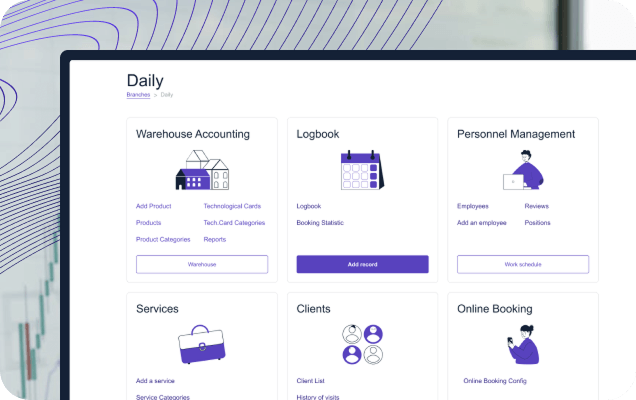
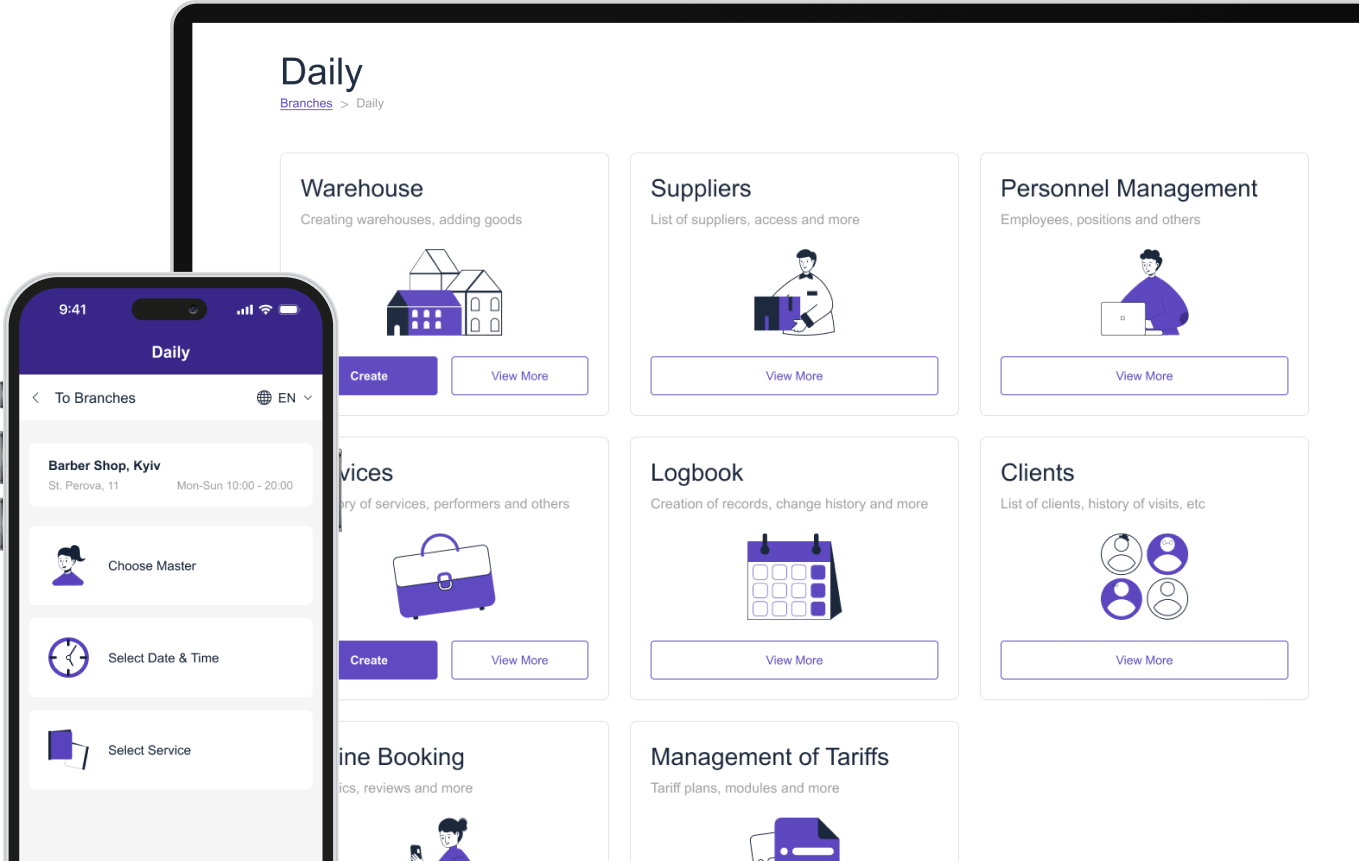
ME-POS supports online booking and service management, allowing businesses to organize services, employees, and working hours. These features help maintain a structured appointment schedule.
When introducing a deposit policy, make sure your payment workflow supports the rules you want to apply. Confirm whether deposits, partial payments, automatic refunds, and payment status tracking are available in your particular setup before advertising them as automated features.
Even when some steps require manual handling, keeping booking information organized makes it easier for employees to follow the same process.
Start Your Me-Pos
Experience for Free!
Make sure that Me-Pos Online Booking meets your needs and requirements before making a final decision.
Use for Free
Common Deposit Policy Mistakes to Avoid
Deposits can protect a business, but poorly designed rules may discourage customers from booking. Watch out for these common mistakes:
- Setting deposits too high: A large upfront payment can make customers hesitate, especially when booking an unfamiliar service.
- Hiding cancellation conditions: Customers should never have to search for important refund information.
- Using vague deadlines: Specify exactly how many hours or days before an appointment customers can cancel.
- Applying rules inconsistently: Different conditions for similar bookings can create frustration.
- Ignoring business-side cancellations: Explain what happens if the business needs to cancel or change an appointment.
- Making refunds difficult: Clearly communicate the refund process and expected timeframe.
- Not reviewing the policy: Customer expectations and business needs may change over time.
A good policy balances financial protection with a positive customer experience.

Conclusion
A fair appointment deposit policy helps service businesses reduce no-shows, protect valuable appointment slots, and plan their schedules more effectively. The key is to choose a reasonable amount, establish clear cancellation rules, and explain every condition before customers confirm their bookings.
Start with the services that require the most preparation or involve the greatest risk of lost revenue. Keep the rules simple, apply them consistently, and make payment as convenient as possible. With organized online booking and service management through ME-POS, your business can create a more structured appointment process while maintaining customer trust.
Frequently Asked Questions
A reasonable deposit depends on the service price, duration, preparation costs, and cancellation risk. Some businesses use a fixed amount, while others request a percentage of the total price. The deposit should protect the business without creating an unnecessary barrier for customers.
That depends on the cancellation conditions communicated before booking. A business may offer a full refund for early cancellations and apply different rules to last-minute cancellations or missed appointments. The policy should be transparent and comply with applicable consumer protection laws.
Yes, a business can allow customers to transfer their deposit to a new appointment if they reschedule within the permitted period. This is a flexible option that helps retain bookings while protecting the business from last-minute changes.
Not necessarily. Deposits are often more useful for expensive treatments, long appointments, or services that require special preparation. Short, low-cost services may not need the same conditions.
Display the deposit amount, payment conditions, cancellation deadline, and refund rules on the booking page. Repeat the essential information in appointment confirmations so customers can review the conditions before their visit.
Me-Pos Team
Last modified 27.11.2026
Was This Article Helpful?
Click on a star to rate it!
Thank you for your vote!

Average Rating: 5/5 Votes: 1
Be the first to rate this post!
Share with Friends:


































































View more
Related Articles

964
5
How to Reduce Income Tax for Business Owners?
As a business owner, managing income tax efficiently is crucial not only for maximizing profits but also for maintaining the long-term financial healt...
Me-Pos Team
|
16.12.2024
|
13min

1588
5
Retail vs Wholesale: Key Differences and Which Is Right for You?
The age-old debate of wholesale vs. retail is more relevant than ever in today’s business world. Understanding the dynamics of these two models isn’t ...
Me-Pos Team
|
08.04.2025
|
6min

906
5
Maximizing Profit in Restaurants: Service Charge vs. Gratuity
In the competitive restaurant industry, the debate over service charges vs tips continues to shape customer experiences and employee compensation. As ...
Me-Pos Team
|
29.07.2025
|
12min

524
5
Sales Analytics: Identifying Profitable Services vs. Financial Losses
For service-based businesses such as salons, spas, tattoo studios, and clinics, success is not only about attracting more clients — it’s also about un...
Me-Pos Team
|
10.03.2026
|
10min

348
5
How QR Menus Help Cut Costs and Increase Profit Margins in Restaurants
Running a successful restaurant is not just about serving great food—it is also about managing costs, improving efficiency, and maximizing profitabili...
Me-Pos Team
|
30.06.2026
|
13min

288
5
How to Calculate the ROI of Online Booking Software for Your Business
Investing in an online booking system can help a service business accept more appointments, reduce administrative work, and improve customer convenien...
Me-Pos Team
|
17.08.2026
|
13min

118
5
How to Identify Your Most Profitable Services
Not every service your business offers contributes equally to your profit. Some services attract many customers but require significant time, expensiv...
Me-Pos Team
|
06.11.2026
|
11min

556
4.7
How to Increase Average Check in Service Businesses
For service-based businesses such as salons, spas, tattoo studios, and car washes, increasing revenue doesn’t always mean getting more clients. In man...
Me-Pos Team
|
27.04.2026
|
10min

1166
3.8
Master the Art of Buying Wholesale and Unlock Unbeatable Deals
Buying wholesale might sound like a game reserved for businesses, but let us tell you—it’s a goldmine for anyone smart enough to take advantage. Wheth...
Me-Pos Team
|
12.03.2025
|
9min
964
5
How to Reduce Income Tax for Business Owners?
As a business owner, managing income tax efficiently is crucial not only for maximizing profits but also for maintaining the long-term financial healt...
Me-Pos Team
|
16.12.2024
|
13min
1588
5
Retail vs Wholesale: Key Differences and Which Is Right for You?
The age-old debate of wholesale vs. retail is more relevant than ever in today’s business world. Understanding the dynamics of these two models isn’t ...
Me-Pos Team
|
08.04.2025
|
6min
906
5
Maximizing Profit in Restaurants: Service Charge vs. Gratuity
In the competitive restaurant industry, the debate over service charges vs tips continues to shape customer experiences and employee compensation. As ...
Me-Pos Team
|
29.07.2025
|
12min
524
5
Sales Analytics: Identifying Profitable Services vs. Financial Losses
For service-based businesses such as salons, spas, tattoo studios, and clinics, success is not only about attracting more clients — it’s also about un...
Me-Pos Team
|
10.03.2026
|
10min
348
5
How QR Menus Help Cut Costs and Increase Profit Margins in Restaurants
Running a successful restaurant is not just about serving great food—it is also about managing costs, improving efficiency, and maximizing profitabili...
Me-Pos Team
|
30.06.2026
|
13min
288
5
How to Calculate the ROI of Online Booking Software for Your Business
Investing in an online booking system can help a service business accept more appointments, reduce administrative work, and improve customer convenien...
Me-Pos Team
|
17.08.2026
|
13min
118
5
How to Identify Your Most Profitable Services
Not every service your business offers contributes equally to your profit. Some services attract many customers but require significant time, expensiv...
Me-Pos Team
|
06.11.2026
|
11min
556
4.7
How to Increase Average Check in Service Businesses
For service-based businesses such as salons, spas, tattoo studios, and car washes, increasing revenue doesn’t always mean getting more clients. In man...
Me-Pos Team
|
27.04.2026
|
10min
1166
3.8
Master the Art of Buying Wholesale and Unlock Unbeatable Deals
Buying wholesale might sound like a game reserved for businesses, but let us tell you—it’s a goldmine for anyone smart enough to take advantage. Wheth...
Me-Pos Team
|
12.03.2025
|
9min
View more
