Technological Maps: How to Link Services to Materials
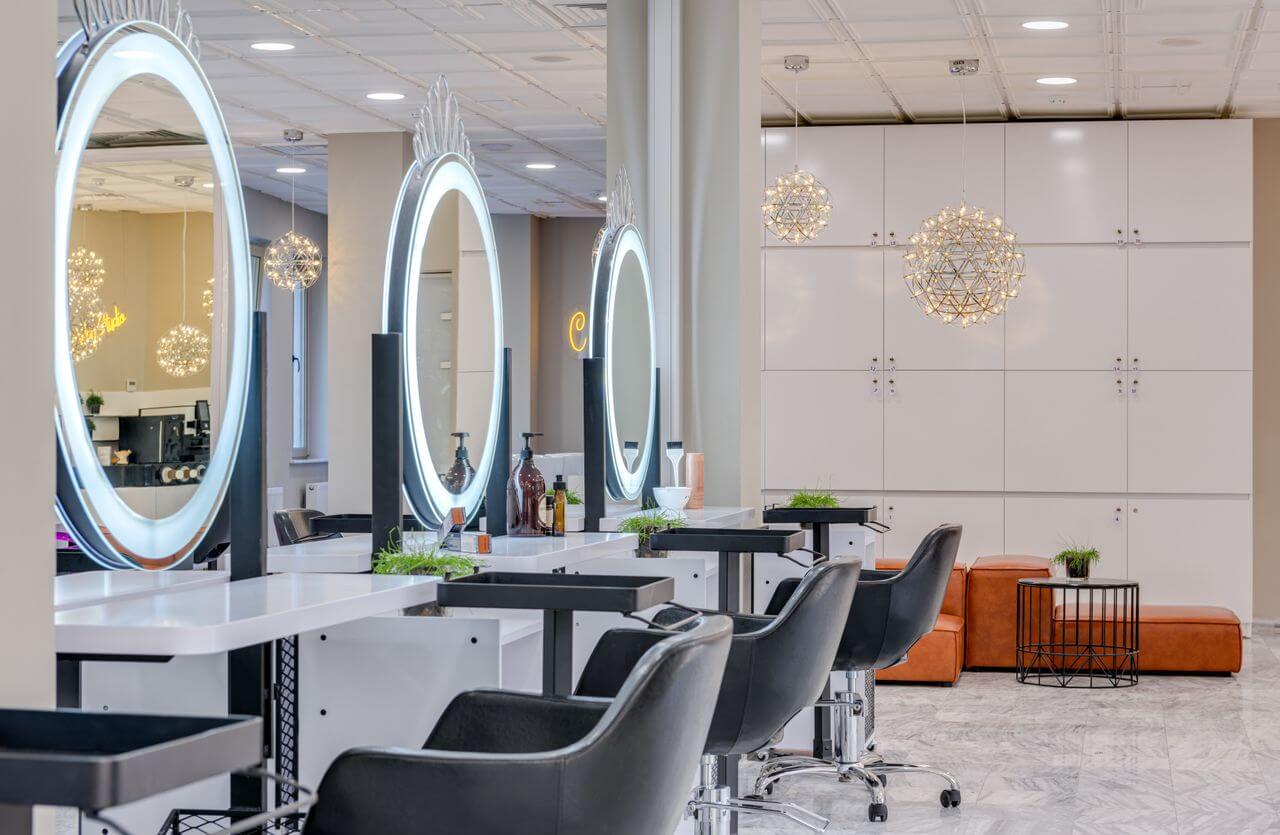
When a service business provides treatments, repairs, or other hands-on services, materials are part of almost every job. A beauty salon uses shampoos, dyes, and disposable supplies. A massage studio needs oils, creams, and towels. A repair workshop consumes spare parts and other materials while completing customer orders.
Without a clear system, it can be difficult to understand how much material each service requires and how these supplies affect operating costs. Employees may use different quantities for the same procedure, stock levels can become inaccurate, and managers may struggle to calculate the real cost of a service.
Technological maps help solve this problem by connecting each service with the materials needed to perform it. They create a structured reference for employees and help managers plan inventory, estimate costs, and maintain consistent service standards.
In this article, we'll explore what technological maps are, how to link services to materials, and how this approach can improve inventory management with ME-POS.
What Is a Technological Map?
A technological map is a structured record that describes how a particular service or operation is performed and which resources it requires.
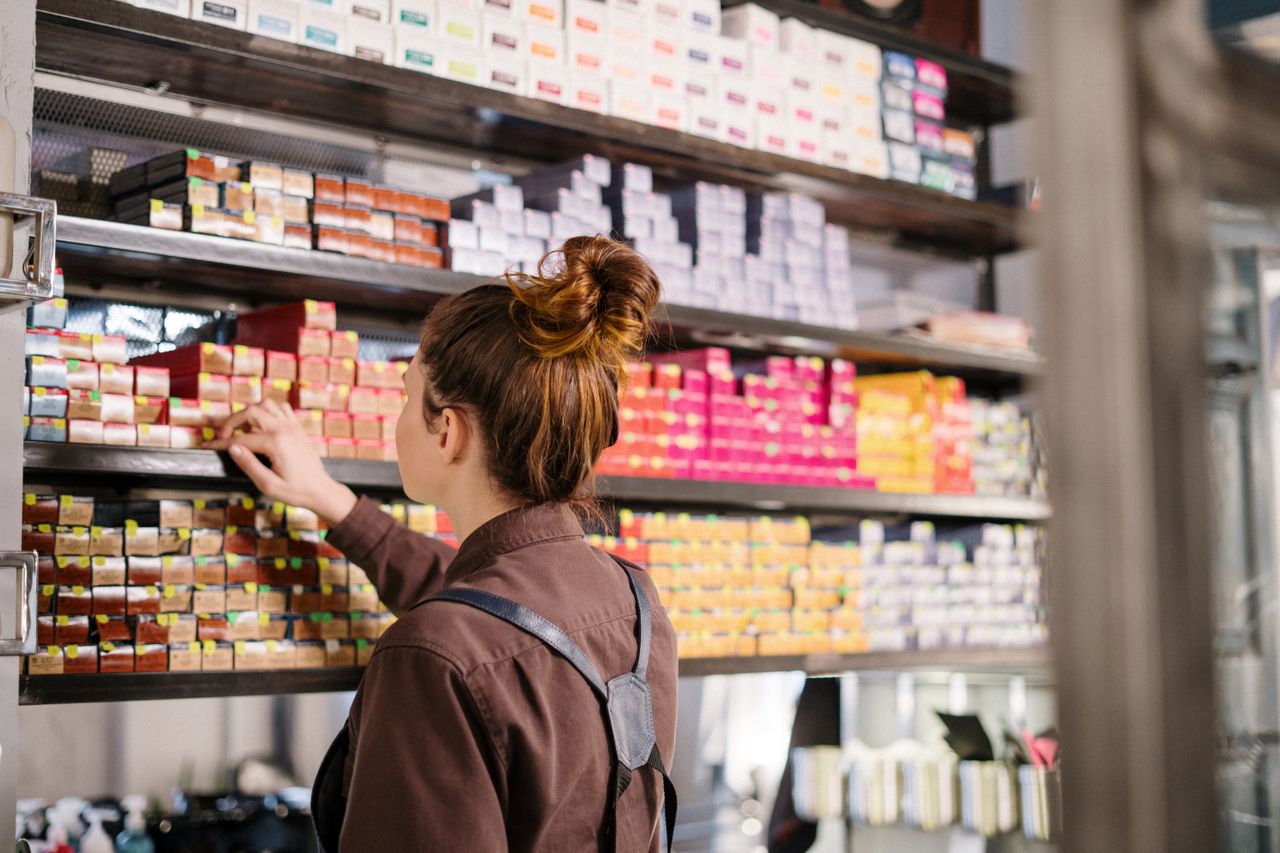
In a service business, it can connect a service with the materials and consumables used during its delivery. For example, a hair coloring service may require a specific amount of dye, developer, shampoo, and other supplies.
Instead of estimating material usage each time, employees and managers can refer to predefined quantities.
A technological map can include:
- Service name: The treatment or operation associated with the materials.
- Material list: All products and consumables required to complete the service.
- Quantity: The amount of each material needed for one service.
- Measurement unit: Grams, milliliters, pieces, or another relevant unit.
- Instructions: Additional notes about how materials should be prepared or used.
- Cost information: The cost of the materials, when this information is available.
The exact structure depends on the business and the complexity of its services.
Why Should You Link Services to Materials?
Connecting services with materials gives businesses a clearer picture of how resources are used. It also helps standardize everyday operations.
Here are the main advantages.
1. Understand the Cost of Each Service
The price of a service should account for more than employee time. Materials and consumables also contribute to the final cost.
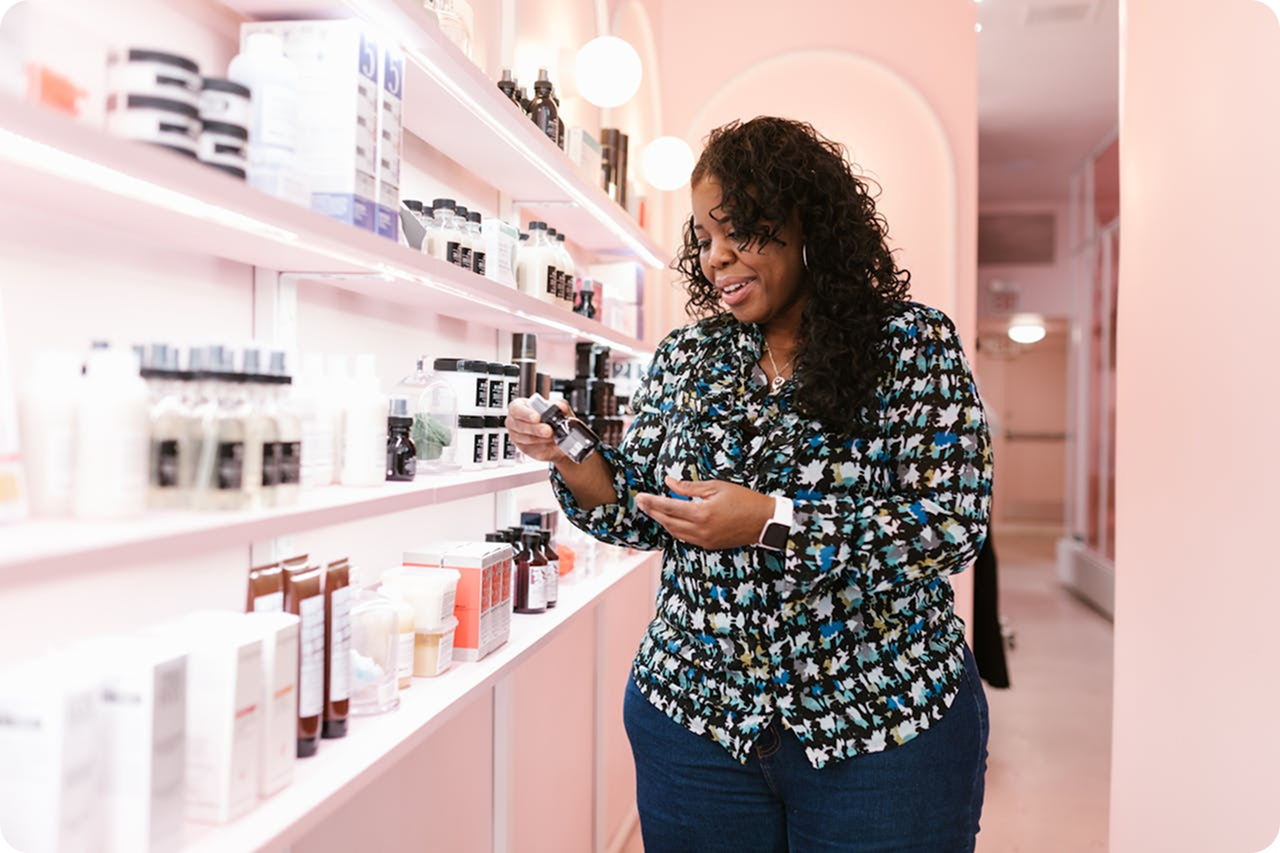
For example, a beauty salon offering hair coloring needs to consider the dye, developer, shampoo, and other products used during the appointment. When quantities and purchase prices are known, the business can estimate the material cost of one treatment.
This information helps managers:
- Calculate the cost of providing each service.
- Compare material expenses across different services.
- Review pricing decisions.
- Identify services that consume more supplies than expected.
- Understand how changes in material prices affect profitability.
Accurate cost information makes it easier to set prices that cover operating expenses.

2. Improve Inventory Management
When materials are connected to services, businesses can better understand which supplies are needed for daily operations.
For example, if a salon performs 30 coloring appointments per week, managers can estimate how much dye and developer may be required based on the standard quantities for each treatment.
This makes inventory planning more structured.
- Plan purchases: Estimate how much of each material is needed for upcoming appointments.
- Avoid shortages: Identify essential supplies that need replenishment.
- Reduce excess stock: Avoid ordering large quantities of materials that are rarely used.
- Monitor consumption: Compare expected material usage with actual stock changes.
The more accurate the service and material records are, the easier it becomes to plan purchases.
3. Standardize Service Quality
Different employees may perform the same service, but inconsistent material usage can affect the result and increase costs.
Technological maps provide a shared reference for employees. They show which materials are required and what quantities should be used under standard conditions.
This is especially useful for businesses with several employees or locations.
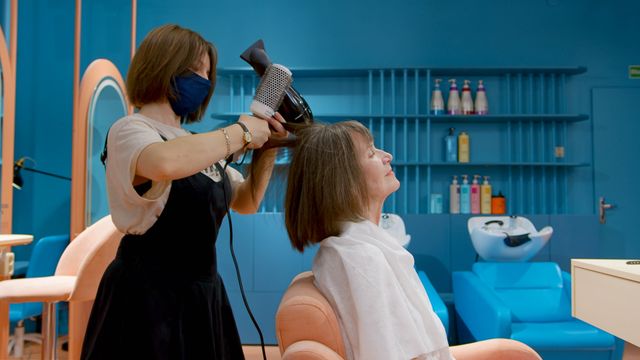
For example, a beauty salon can define standard material requirements for a manicure, facial treatment, or hair coloring service. Employees can use the same reference instead of relying entirely on personal estimates.
4. Reduce Material Waste
Unplanned consumption can gradually increase operating expenses. Employees may use more product than necessary, open supplies too early, or forget to account for materials already used.
Predefined material quantities help businesses identify unusual consumption patterns.
Managers can compare planned usage with actual stock changes and investigate differences. This doesn't eliminate waste automatically, but it provides a clearer starting point for improving procedures.
How to Link Services to Materials
Creating technological maps doesn't have to be complicated. The important thing is to define each service clearly and connect it with the resources required to complete it.
Follow these steps to build a structured system.
Step 1. Create a List of Services
Start by reviewing your service catalog. Separate services into categories so it's easier to organize their material requirements.
For example, a beauty salon might have:
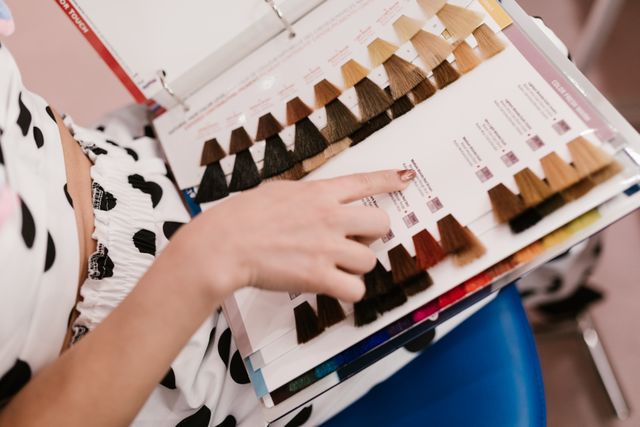
- Hair services: haircuts, coloring, styling, and treatments.
- Nail services: manicures, pedicures, and nail extensions.
- Skincare: facials, cleansing, and moisturizing treatments.
- Additional services: consultations and other procedures.
Focus first on services that regularly consume materials. Not every appointment necessarily requires a separate material map.
Step 2. Identify the Required Materials
For each service, list every material or consumable needed to complete it.
Consider both primary products and smaller supplies that are regularly used during the procedure.
For example, a manicure service might require:
- Nail polish or gel.
- Nail cleanser.
- Base coat and top coat.
- Cotton pads.
- Disposable files.
- Gloves and other protective supplies.
Be as specific as possible. If a service can use different materials depending on the selected option, document those variations separately.
Step 3. Define Material Quantities
After identifying the materials, determine how much of each one is normally required for a single service.
Use appropriate measurement units and keep quantities consistent.
For example, a technological map for a facial treatment could include:
|
Material |
Quantity per service |
Unit |
|
Cleansing gel |
5 |
ml |
|
Facial mask |
15 |
g |
|
Moisturizing cream |
3 |
ml |
|
Cotton pads |
4 |
pieces |
|
Disposable gloves |
1 |
pair |
These figures are illustrative. Actual quantities should be based on the products, treatment instructions, and working procedures used by the business.
Step 4. Connect Materials with the Relevant Service
Once the service and material lists are ready, connect each material to the service that requires it.
Avoid assigning materials too broadly. For example, if a salon uses different products for basic and premium hair treatments, these services should have separate material requirements.
This makes it easier to understand which supplies are needed for each appointment and prevents inaccurate cost estimates.
Step 5. Review Costs and Update Records
Material prices and consumption quantities can change. A business may switch suppliers, introduce new products, or adjust its service procedures.
Review technological maps regularly to keep the information accurate.
When a material price changes, update its cost information. When a service changes, review its material list and quantities. This helps ensure that inventory planning and service cost calculations remain relevant.

Example: Linking Services to Materials in Different Businesses
The materials used depend on the type of service. A salon, massage studio, and repair workshop will need different technological maps.
Business type
Service
Materials to link
Beauty salon
Hair coloring
Dye, developer, shampoo, gloves
Repair workshop
Equipment repair
Spare parts, fasteners, lubricants
This approach can be adapted to businesses with different workflows. The goal is always the same: understand which materials are required for each service and how much of each resource is normally consumed.
How ME-POS Supports Service and Inventory Management
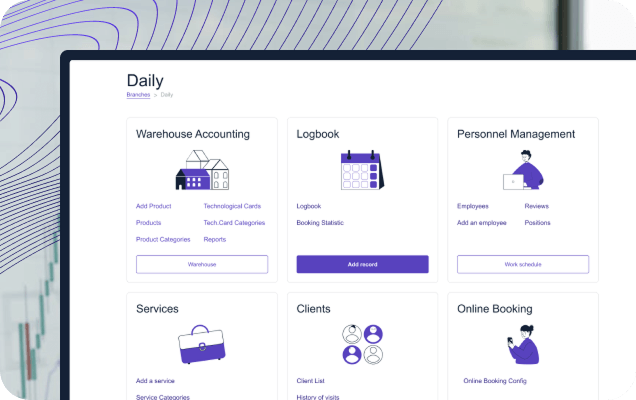
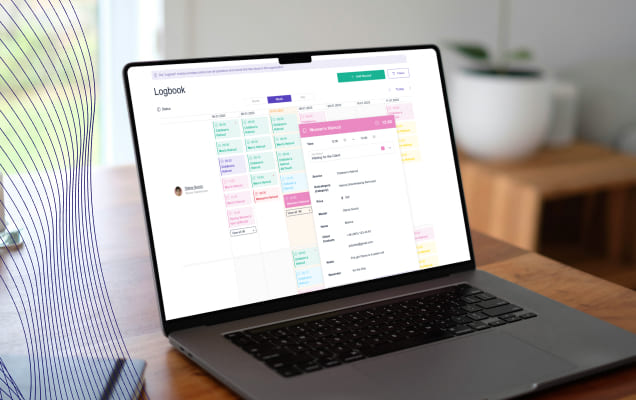
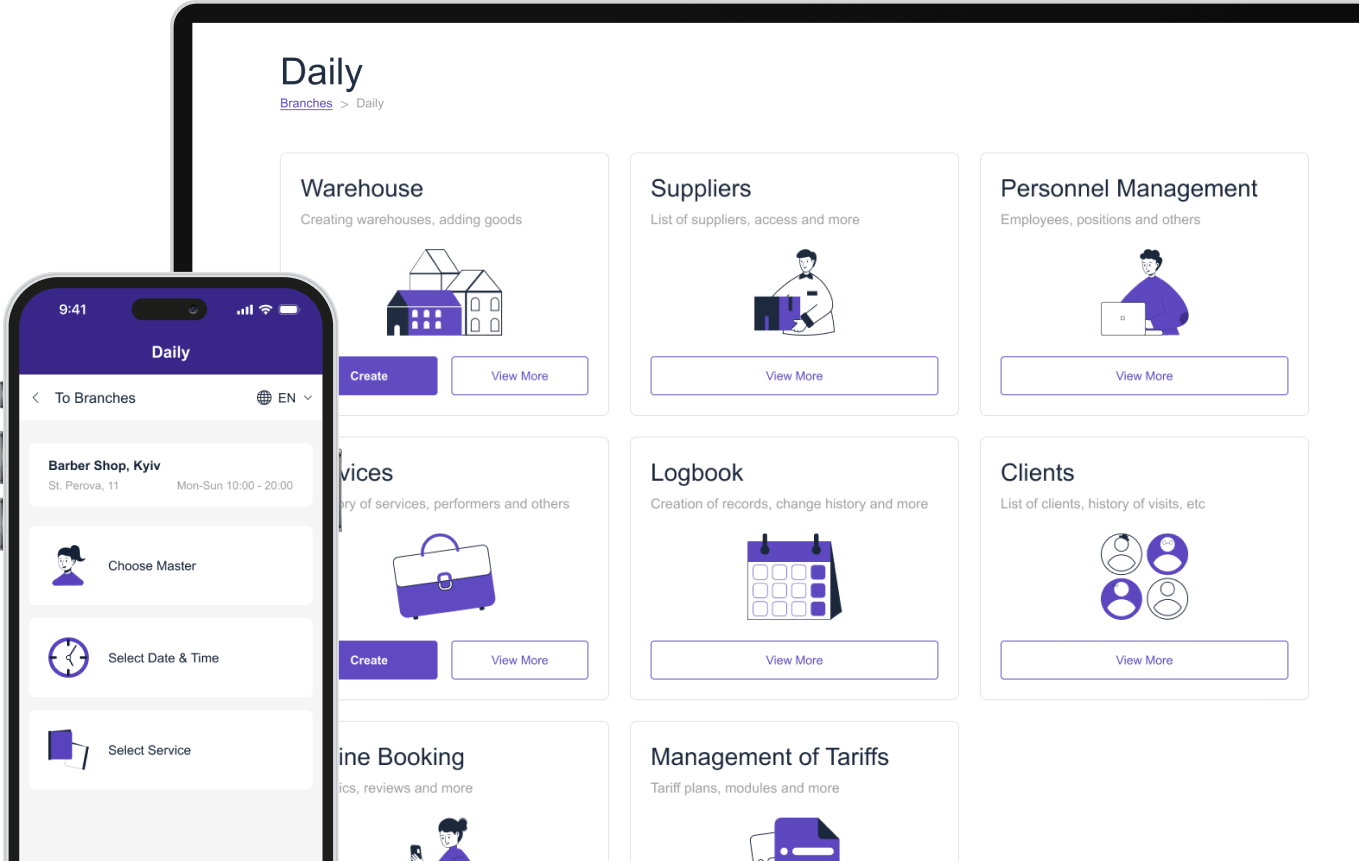
Managing services and materials separately can make it difficult to understand how daily operations affect stock levels and expenses. ME-POS provides tools for organizing services, managing inventory, and keeping business information structured.
With ME-POS, businesses can work with:
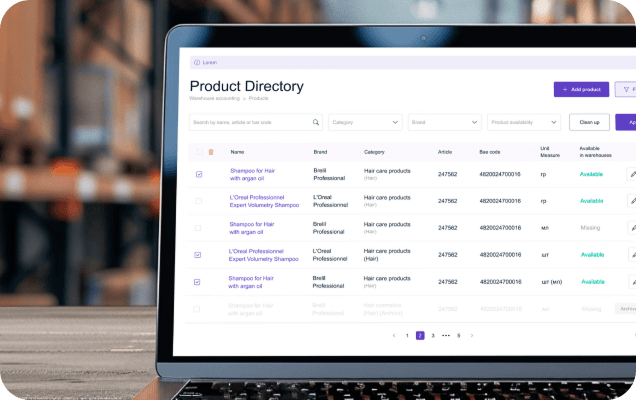
- Service management: Organize the services offered to customers.
- Inventory management: Keep records of products and materials used in business operations.
- Stock monitoring: Follow inventory levels and identify supplies that may need replenishment.
- Customer management: Maintain customer information and support ongoing relationships.
- Business analytics: Review available business data to understand operational performance.
A structured approach to technological maps can complement these workflows by defining the materials associated with each service. Before relying on automatic stock deductions or cost calculations, check whether the specific technological-map functionality and integrations are enabled in your ME-POS setup.
Start Your Me-Pos
Experience for Free!
Make sure that Me-Pos Online Booking meets your needs and requirements before making a final decision.
Use for Free
Common Mistakes When Creating Technological Maps
Even a well-organized system can become inaccurate if its records aren't maintained.
Watch out for these common mistakes:
- Missing small consumables: Items such as gloves, cotton pads, and disposable covers can add up over time.
- Using approximate quantities: Estimates that are too general can distort material costs and stock planning.
- Combining different service variations: Services with different procedures or products may need separate maps.
- Ignoring material price changes: Outdated prices make cost calculations less reliable.
- Not updating employee procedures: If the service changes, its technological map should change too.
- Failing to review actual consumption: Standard quantities are a starting point, but real usage should also be monitored.
Regular reviews help keep technological maps useful instead of letting them become outdated records.

Conclusion
Technological maps help service businesses connect the services they provide with the materials required to complete them. By documenting material lists, quantities, and costs, managers can improve inventory planning, estimate service expenses, reduce waste, and create more consistent procedures for employees.
Start with your most frequently booked services, define their material requirements, and review the records whenever products or procedures change. Combined with organized service and inventory management in ME-POS, this approach can make everyday operations easier to understand and control.
Frequently Asked Questions
Its purpose is to document the materials and quantities required to perform a particular service. This helps businesses standardize procedures, estimate material costs, and plan inventory.
Yes. A material such as shampoo, massage oil, or disposable gloves may be used across several services. Each service should have its own defined quantity based on its requirements.
Review them whenever a service procedure changes, a material is replaced, or standard consumption quantities are adjusted. It's also useful to check them periodically against actual material usage.
They can support pricing decisions by showing how much materials cost per service. However, the final price should also account for employee time, rent, utilities, and other operating expenses.
Yes. Even a small salon, massage studio, or repair workshop can benefit from documenting material usage. Starting with a few frequently performed services can already improve cost awareness and inventory planning.
Me-Pos Team
Last modified 23.11.2026
Was This Article Helpful?
Click on a star to rate it!
Thank you for your vote!

Average Rating: 5/5 Votes: 1
Be the first to rate this post!
Share with Friends:
































View more
Related Articles
QR Menu Use Cases: From Dine-In to Delivery and Pickup Explained
QR menus have evolved far beyond being a simple digital replacement for printed menus. In 2026, they are becoming a central part of restaurant operati...
Me-Pos Team
|
09.06.2026
|
16min
How a Beauty Salon Can Accept Bookings 24/7
Beauty salon customers don't always have time to call during business hours. Some may want to book a haircut during their lunch break, schedule a mani...
Me-Pos Team
|
30.10.2026
|
9min
157
5
How to Create a Restaurant Menu Online Without Coding
Creating a restaurant menu online no longer requires coding skills or complicated website development. With a digital menu builder, restaurant owners ...
Me-Pos Team
|
05.10.2026
|
12min
173
5
How to Create a Multilingual Restaurant Menu Online
Restaurants increasingly serve customers who speak different languages. Tourists, international visitors, and multilingual local communities all benef...
Me-Pos Team
|
26.09.2026
|
14min

How to Set Up Online Booking for a Beauty Salon
Running a beauty salon means managing more than just treatments. You also need to coordinate staff schedules, answer appointment requests, avoid doubl...
Me-Pos Team
|
04.09.2026
|
11min
231
5
Why Digital Transformation Still Gives Small Businesses a Competitive Advantage
Running a small business has never been just about having a good product or providing excellent service. Today, customers also expect convenience, spe...
Me-Pos Team
|
31.08.2026
|
12min
301
5
Employee Access Levels: How to Protect Business Data While Keeping Your Team Productive
Running a restaurant or service business means giving employees access to the tools they need every day. Staff members may need to manage orders, upda...
Me-Pos Team
|
10.08.2026
|
12min
332
5
Using QR Code Menus for Hotel Restaurants and Room Service
The hospitality industry is becoming increasingly digital, and guest expectations continue to evolve. Modern travelers expect convenience, speed, pers...
Me-Pos Team
|
14.06.2026
|
17min
1269
5
How to Make a Restaurant Menu Design?
Designing a restaurant menu is a crucial aspect of the restaurant industry. A well-crafted menu does more than list the dishes offered; it serves as a...
Me-Pos Team
|
30.09.2024
|
15min
582
5
Combining Online and Offline Bookings to Maximize Your Venue’s Capacity
For service-based venues — whether salons, spas, clinics, tattoo studios, or beauty centers — empty time slots mean lost revenue. Every unbooked chair...
Me-Pos Team
|
26.02.2026
|
8min

981
5
Complete Guide on How to Open a Pet Store: Unique Steps and Tips
The pet industry is booming, making it an ideal time for starting a pet store business. With pet ownership steadily increasing, the demand for quality...
Me-Pos Team
|
28.07.2025
|
12min

1812
5
Liquor Store Opening: Step-by-Step Guide to Launching and Operating
Opening a liquor store can be an exciting and rewarding journey, but it’s not a business you want to jump into without preparation. From understanding...
Me-Pos Team
|
04.04.2025
|
9min
1401
5
Understanding Prices for Food Trucks: A Comprehensive Guide
So you want to start a food truck? Awesome choice! But before you hit the road, you have to figure out how much food trucks cost and what other expens...
Me-Pos Team
|
06.03.2025
|
8min

1624
5
Your Ultimate Guide on How to Open a Pharmacy Business
Starting a pharmacy business can be a rewarding and profitable venture if approached correctly. Pharmacies play a crucial role in communities by provi...
Me-Pos Team
|
20.12.2024
|
19min
1294
5
Starting a Spa Massage Business: A Complete Guide to Success
The wellness industry is booming, offering excellent opportunities for entrepreneurs looking to start a spa business. In today's fast-paced world, mor...
Me-Pos Team
|
19.12.2024
|
12min
1453
5
How to Open a Bar: A Step-by-Step Guide for Aspiring Entrepreneurs
Opening a new bar is an exciting venture, but it requires careful planning and attention to detail. Whether you dream of creating a laid-back pub or a...
Me-Pos Team
|
18.12.2024
|
11min

1169
4.5
How to Start an Ice Cream Truck Business?
Starting an ice cream truck business can be a lucrative and enjoyable venture for those who love being their own boss, engaging with the community, an...
Me-Pos Team
|
17.12.2024
|
16min
1252
4
How to Start a Gym as a Business: From Concept to Reality
Starting a gym business is a rewarding opportunity that combines a passion for fitness with entrepreneurial success. However, it involves far more tha...
Me-Pos Team
|
20.12.2024
|
14min
314
3
How to Create a QR Menu for Your Restaurant: Step-by-Step Guide
The way restaurants present their menus has changed dramatically in recent years. Customers now expect fast, convenient, and contactless access to foo...
Me-Pos Team
|
07.08.2026
|
10min
QR Menu Use Cases: From Dine-In to Delivery and Pickup Explained
QR menus have evolved far beyond being a simple digital replacement for printed menus. In 2026, they are becoming a central part of restaurant operati...
Me-Pos Team
|
09.06.2026
|
16min
How a Beauty Salon Can Accept Bookings 24/7
Beauty salon customers don't always have time to call during business hours. Some may want to book a haircut during their lunch break, schedule a mani...
Me-Pos Team
|
30.10.2026
|
9min
157
5
How to Create a Restaurant Menu Online Without Coding
Creating a restaurant menu online no longer requires coding skills or complicated website development. With a digital menu builder, restaurant owners ...
Me-Pos Team
|
05.10.2026
|
12min
173
5
How to Create a Multilingual Restaurant Menu Online
Restaurants increasingly serve customers who speak different languages. Tourists, international visitors, and multilingual local communities all benef...
Me-Pos Team
|
26.09.2026
|
14min
How to Set Up Online Booking for a Beauty Salon
Running a beauty salon means managing more than just treatments. You also need to coordinate staff schedules, answer appointment requests, avoid doubl...
Me-Pos Team
|
04.09.2026
|
11min
231
5
Why Digital Transformation Still Gives Small Businesses a Competitive Advantage
Running a small business has never been just about having a good product or providing excellent service. Today, customers also expect convenience, spe...
Me-Pos Team
|
31.08.2026
|
12min
301
5
Employee Access Levels: How to Protect Business Data While Keeping Your Team Productive
Running a restaurant or service business means giving employees access to the tools they need every day. Staff members may need to manage orders, upda...
Me-Pos Team
|
10.08.2026
|
12min
332
5
Using QR Code Menus for Hotel Restaurants and Room Service
The hospitality industry is becoming increasingly digital, and guest expectations continue to evolve. Modern travelers expect convenience, speed, pers...
Me-Pos Team
|
14.06.2026
|
17min
1269
5
How to Make a Restaurant Menu Design?
Designing a restaurant menu is a crucial aspect of the restaurant industry. A well-crafted menu does more than list the dishes offered; it serves as a...
Me-Pos Team
|
30.09.2024
|
15min
582
5
Combining Online and Offline Bookings to Maximize Your Venue’s Capacity
For service-based venues — whether salons, spas, clinics, tattoo studios, or beauty centers — empty time slots mean lost revenue. Every unbooked chair...
Me-Pos Team
|
26.02.2026
|
8min
981
5
Complete Guide on How to Open a Pet Store: Unique Steps and Tips
The pet industry is booming, making it an ideal time for starting a pet store business. With pet ownership steadily increasing, the demand for quality...
Me-Pos Team
|
28.07.2025
|
12min
1812
5
Liquor Store Opening: Step-by-Step Guide to Launching and Operating
Opening a liquor store can be an exciting and rewarding journey, but it’s not a business you want to jump into without preparation. From understanding...
Me-Pos Team
|
04.04.2025
|
9min
1401
5
Understanding Prices for Food Trucks: A Comprehensive Guide
So you want to start a food truck? Awesome choice! But before you hit the road, you have to figure out how much food trucks cost and what other expens...
Me-Pos Team
|
06.03.2025
|
8min
1624
5
Your Ultimate Guide on How to Open a Pharmacy Business
Starting a pharmacy business can be a rewarding and profitable venture if approached correctly. Pharmacies play a crucial role in communities by provi...
Me-Pos Team
|
20.12.2024
|
19min
1294
5
Starting a Spa Massage Business: A Complete Guide to Success
The wellness industry is booming, offering excellent opportunities for entrepreneurs looking to start a spa business. In today's fast-paced world, mor...
Me-Pos Team
|
19.12.2024
|
12min
1453
5
How to Open a Bar: A Step-by-Step Guide for Aspiring Entrepreneurs
Opening a new bar is an exciting venture, but it requires careful planning and attention to detail. Whether you dream of creating a laid-back pub or a...
Me-Pos Team
|
18.12.2024
|
11min
1169
4.5
How to Start an Ice Cream Truck Business?
Starting an ice cream truck business can be a lucrative and enjoyable venture for those who love being their own boss, engaging with the community, an...
Me-Pos Team
|
17.12.2024
|
16min
1252
4
How to Start a Gym as a Business: From Concept to Reality
Starting a gym business is a rewarding opportunity that combines a passion for fitness with entrepreneurial success. However, it involves far more tha...
Me-Pos Team
|
20.12.2024
|
14min
314
3
How to Create a QR Menu for Your Restaurant: Step-by-Step Guide
The way restaurants present their menus has changed dramatically in recent years. Customers now expect fast, convenient, and contactless access to foo...
Me-Pos Team
|
07.08.2026
|
10min
View more
